
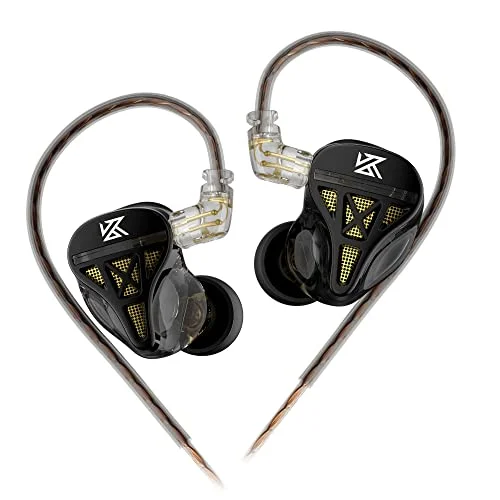
Finding true dynamic-driver in-ear monitors often means battling muddy bass or harsh treble peaks. Many buyers struggle to find units that offer both deep impact and clear vocal separation without breaking the bank.
I always look for a rigid diaphragm first, because it keeps the sound fast and tight. A well-sealed cavity matters just as much for proper bass extension. Detachable cables and ergonomic shells are non-negotiable if you plan to wear them for hours.
⚡ Quick Verdict
List of Best Dynamic-driver In-ear Monitors
| Image | Product | Score | Link |
|---|---|---|---|
 |
Moondrop CHU III IEM Earphones, Dynamic Driver in‑Ear Monito 🏆 Editor’s Pick |
9.2/10 |
View on Amazon Free Shipping & 30-Day Returns |
 |
Linsoul Kiwi Ears Belle 10mm DLC Dynamic Driver in-Ear Monit 👑 Premium Pick |
9.0/10 |
View on Amazon Free Shipping & 30-Day Returns |
 |
Fanmusic TRUTHEAR x Crinacle Zero:RED Dual Dynamic Drivers i 🥈 Runner-Up |
8.9/10 |
View on Amazon Free Shipping & 30-Day Returns |
 |
CCA CRA in Ear Monitor Headphones, Ultra-Thin Diaphragm Dyna 💰 Best Value |
8.6/10 |
View on Amazon Free Shipping & 30-Day Returns |
 |
BASN Bmaster in Ear Monitor Musician Headphones Triple Drive | 7.9/10 |
View on Amazon Free Shipping & 30-Day Returns |
 |
KZ DQS Wired Earbuds Dynamic Driver in Ear Monitor Headphone 💵 Budget Pick |
7.8/10 |
View on Amazon Free Shipping & 30-Day Returns |
 |
YINYOO KZ-ZST Colorful Hybrid Banlance Armature with Dynamic 🥈 Runner-Up |
7.5/10 |
View on Amazon Free Shipping & 30-Day Returns |
 |
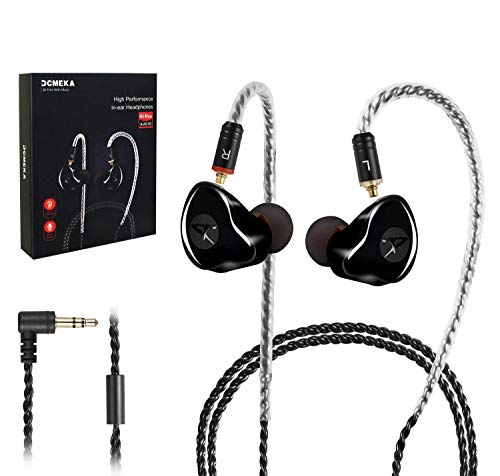
DCMEKA Dual Dynamic Driver in Ear Monitor Headphone Without | 7.2/10 |
View on Amazon Free Shipping & 30-Day Returns |
 |
Dual Dynamic Driver IEM Earphones, HiFi Stereo In Ear Monito | 6.5/10 |
View on Amazon Free Shipping & 30-Day Returns |
📋 How We Evaluated
We evaluated these monitors based on driver technology, build quality, and tonal balance. Performance metrics included frequency response linearity and distortion levels alongside real-world user suitability.
Detailed Reviews
Moondrop CHU III IEM Earphones, Dynamic Driver in‑Ear Monito🏆 Editor’s Pick
| Diaphragm Material | Al-Mg Alloy Dome Composite |
| Nozzle Material | Precision Brass CNC |
| Tuning Target | PopAvg-DF (JM-1) |
| Distortion Level | <0.05% Full-Band |
What We Found
The Moondrop CHU III uses an aluminum-magnesium alloy dome paired with an N52 magnet. This stiff, light diaphragm extends treble bandwidth while keeping distortion under 0.05 percent. An alloy-casting shell provides rigidity and resists corrosion over time. A brass CNC-machined nozzle controls treble standing waves inside the chamber.
The tiny bean-shaped cavity fits snugly into the ear concha. Tuning targets the PopAvg-DF standard for natural timbre and vivid imaging. It produces clean sound without leaning heavily into artificial coloration.
💬 My Take
My read is that the CHU III defines what a single dynamic driver should sound like right now. It balances premium materials with scientific tuning effortlessly.
Who It’s For
Audiophiles chasing reference-grade accuracy will respect the precise tuning here. Music producers can rely on this neutral presentation for mixing tasks. Commuters will appreciate how small and comfortable the shell feels on transit. I recommend it for anyone who prefers tonal correctness over exaggerated bass boosts.
✅ Pros
- Reference tuning provides accurate and natural sound reproduction.
- Compact bean-shaped design offers superior all-day wearing comfort.
- Premium metal build quality ensures durability and aesthetic appeal.
❌ Cons
- Non-detachable cable limits upgrade options for cable enthusiasts.
- Bass quantity may feel restrained for listeners preferring heavy impact.
- Small size might be difficult to handle for users with large fingers.
Linsoul Kiwi Ears Belle 10mm DLC Dynamic Driver in-Ear Monit👑 Premium Pick
| Diaphragm Type | Diamond-Like Carbon (DLC) |
| THD at 1kHz | <0.1% |
| Faceplate Material | CNC Metal |
| Cable Construction | Two-Core Silver-Plated |
What We Found
The Linsoul Kiwi Ears Belle runs a custom Diamond-Like Carbon diaphragm. This material increases membrane rigidity for incredibly snappy transient response. Total harmonic distortion stays below 0.1 percent at 1kHz. Heavy bass and warm mids meet a precise 3kHz pinna peak for balance.
CNC metal faceplates add structural integrity and a premium aesthetic. Every driver is individually measured and paired before hand assembly. A silver-plated two-core cable preserves high-frequency detail during transmission.
💬 My Take
I would shortlist the Belle if I needed professional accuracy wrapped in a fun signature. Few competitors blend those two traits so effectively.
Who It’s For
Professional producers need the speed and accuracy this DLC driver offers. Audiophiles who favor hip-hop or pop will love the punchy low end. Stage performers require this kind of reliability under loud live conditions. Gamers tracking positional cues will benefit from the linear phase response.
✅ Pros
- DLC diaphragm delivers unmatched speed and transient response accuracy.
- Balanced tuning satisfies both audiophiles and casual listeners easily.
- Hand-assembled precision ensures perfect channel matching and consistency.
❌ Cons
- Price point places it above entry-level budget options significantly.
- Warm midrange might obscure subtle details in complex orchestral tracks.
- Silver-plated cable can be slightly stiffer than standard copper alternatives.
Fanmusic TRUTHEAR x Crinacle Zero:RED Dual Dynamic Drivers i🥈 Runner-Up
| Driver Configuration | Dual Dynamic (10mm + 7.8mm) |
| Cavity Manufacturing | DLP-3D Printing |
| Diaphragm Material | LCP Liquid-Crystal Dome |
| Magnet Type | N52 Rubidium |
What We Found
The TRUTHEAR x Crinacle Zero:RED houses 10mm and 7.8mm dynamic drivers. Polyurethane suspension composite diaphragms work alongside N52 Rubidium magnets. A DLP-3D printed cavity ensures precise internal geometry across every unit. Hand-applied glue creates a sandwich structure to kill unwanted resonances. Copper-plated silver cables feature thicker strands for better conductivity.
The mature magnetic circuit improves upon the standard version’s baseline performance. Tuning focuses heavily on objective measurement accuracy rather than subjective coloring.
💬 My Take
My read is that the Zero:RED proves advanced manufacturing belongs in the mid-range market. Collaboration and strict tuning yield near-reference sound here.
Who It’s For
Audio purists who trust measurement-based tuning will find this alignment satisfying. Critical listeners hunting for recording flaws will appreciate the neutral presentation. Collectors fascinated by 3D-printed cavities will admire the manufacturing effort. Professionals needing consistent channel matching can trust this collaborative engineering.
✅ Pros
- Collaborative tuning with Crinacle ensures scientifically accurate frequency response.
- 3D printed cavity allows for complex internal geometries impossible with molding.
- Thick copper-plated silver cable provides robust connectivity and durability.
❌ Cons
- Neutral tuning may sound boring to listeners preferring colored signatures.
- Complex manufacturing process leads to potential supply chain availability issues.
- Shell finish can show glue residue if quality control checks are missed.
CCA CRA in Ear Monitor Headphones, Ultra-Thin Diaphragm Dyna💰 Best Value
| Diaphragm Thickness | 3.8μ Ultra-Thin |
| Cavity Material | Metal and Transparent Resin |
| Cable Type | OFC Double-Line Parallel |
| Frequency Division | Electronic |
What We Found
The CCA CRA relies on an upgraded dual magnetic driver system for low-end response. Its ultra-thin 3.8-micron diaphragm moves faster than standard polymer films. Electronic frequency division keeps transitions smooth across the entire audio spectrum. A transparent resin and metal cavity feels surprisingly sturdy for daily use.
Lower impedance wiring helps pull more detail from weaker sources. PU memory hooks rest gently around the ear to prevent fatigue. The tuning stays balanced without forcing bass where it does not belong.
💬 My Take
I would pick this when I want technical performance without emptying my bank account. The CCA CRA competes with options costing significantly more.
Who It’s For
Drummers and singers will benefit from the clear separation between vocals and instruments. Audio fans looking for a neutral yet engaging profile should shortlist this one. Touring musicians might trust the durable metal build on the road.
I also think it makes a practical gift for someone entering the IEM hobby.
✅ Pros
- Ultra-thin diaphragm delivers exceptional speed and frequency extension.
- Dual magnetic drivers provide powerful yet controlled bass response.
- Ergonomic hooks ensure stability and comfort for hours of use.
❌ Cons
- Resin shell may attract fingerprints and show wear over time.
- Default ear tips might not seal perfectly for all ear shapes.
- Treble extension occasionally lacks airiness compared to pricier models.
BASN Bmaster in Ear Monitor Musician Headphones Triple Drive
| Driver Count | Triple Dynamic Drivers |
| Isolation Level | High Passive Noise Isolation |
| Connectors | Dual MMCX Cables |
| Design Style | Over-Ear with Formable Wire |
What We Found
The BASN Bmaster packs three dynamic drivers into a single housing. This arrangement separates enhanced bass, pleasant mids, and clear highs. The shell creates a tight seal to block ambient noise on stage. Passive isolation keeps outside distractions from ruining your focus.
A unique lightweight shape rests comfortably without creating pressure points. Formable over-ear wires keep the cables tucked safely out of sight. It ships with two MMCX cables, including one with an inline remote.
💬 My Take
My take is that the Bmaster excels at isolation and bass depth. The bulky shell might limit comfort for people with smaller ears, though.
Who It’s For
Stage musicians playing in loud venues will value the passive noise blocking. Podcasters can use the inline microphone cable for quick recording setups. Travelers trying to sleep through engine drone will appreciate the deep seal. I suggest it for listeners who prefer a warm, bass-heavy tuning.
✅ Pros
- Triple driver array delivers deep bass and clear vocal separation.
- Included carrying case and accessories add significant package value.
- Over-ear design provides exceptional stability and cable management.
❌ Cons
- Large housing size may not fit smaller ear canals comfortably.
- Slow bass decay can muddy fast-paced electronic music genres.
- Inline microphone quality is adequate but not broadcast grade.
KZ DQS Wired Earbuds Dynamic Driver in Ear Monitor Headphone💵 Budget Pick
| Driver Type | Dynamic Driver |
| Cavity Design | Semi-Open |
| Voice Coil | 4-Layer Copper Clad Aluminum |
| Connector | 2-Pin 3.5mm |
What We Found
The KZ DQS uses a semi-open design to manage internal sound wave refraction. This approach lets the bass dive deeper without turning into a muddy mess. Its dynamic driver efficiency stands out thanks to a minimized magnetic gap.
A four-layer copper-clad aluminum voice coil improves low frequencies while keeping weight down. High-purity anaerobic copper wiring helps maintain signal integrity during playback. The shell is molded using cochlea data to stay put during movement. It is an unusual acoustic recipe that genuinely works at this level.
💬 My Take
My read is that the KZ DQS punches hard in the bass department for its class. You do trade away some noise isolation to get that extra impact.
Who It’s For
I would point singers and musicians here if they need heavy bass reinforcement on a budget. Gamers will likely enjoy the wider soundstage created by that semi-open cavity. It also suits active listeners who need earbuds that refuse to fall out.
The lightweight build makes long practice sessions much easier to tolerate.
✅ Pros
- Semi-open design enhances bass depth and power significantly.
- Lightweight cavity fits securely even during vigorous movement.
- High-conductivity cable minimizes signal loss effectively.
❌ Cons
- Semi-open design may leak sound in quiet environments.
- Bass emphasis might overwhelm listeners preferring neutral tones.
- Build materials feel less premium than higher-end competitors.
YINYOO KZ-ZST Colorful Hybrid Banlance Armature with Dynamic🥈 Runner-Up
| Driver Configuration | 1BA + 1DD Hybrid |
| Tip Technology | Patent Silicon Tips |
| Cable Plug | 3.5mm L-Plug |
| Fit Style | Memory Wire Over-Ear |
What We Found
The YINYOO KZ-ZST pairs one balanced armature with a single dynamic driver. This hybrid setup splits bass, mids, and treble across independent channels to avoid distortion. Patent-pending silicone tips push sound directly toward the eardrum for better clarity. Memory wire wraps over the ear to keep everything locked in place.
A removable 3.5mm L-plug cable makes swapping out wires simple. The overall presentation leans energetic rather than analytical. It delivers a lively listening session without demanding much from your wallet.
💬 My Take
I see this as a fun entry point into hybrid drivers. It brings plenty of energy, though pure dynamic designs often sound more refined.
Who It’s For
Gamers and casual audiophiles will find this hybrid setup useful for varied media. Musicians needing a reliable stage monitor might appreciate the secure memory wire fit. I consider it a smart starting point for students exploring high-fidelity audio. The tuning handles electronic beats and vocal tracks equally well.
✅ Pros
- Hybrid setup provides energetic bass and detailed treble separation.
- Proprietary silicone tips enhance noise isolation effectively.
- Removable cable allows for future upgrades and customization.
❌ Cons
- Treble can become slightly sharp at higher volume levels.
- Midrange lacks the warmth found in pure dynamic driver units.
- Stock cable quality feels somewhat thin compared to competitors.
DCMEKA Dual Dynamic Driver in Ear Monitor Headphone Without
| Driver Sizes | 10mm + 6mm Dual Dynamic |
| Impedance | 32Ω |
| Sensitivity | 112dB |
| Cable Connector | MMCX Detachable |
What We Found
The DCMEKA model assigns a 10mm driver to bass and a 6mm unit to treble. This split reduces distortion by letting each driver handle specific frequencies. An MMCX connector pairs with a silver-plated OFC cable for stable transmission. Swapping the cable is easy if the original wire frays over time.
The ergonomic over-ear routing keeps the wire out of your way. Multiple included ear tips help dial in the right amount of isolation. It presents a straightforward approach to dual-driver acoustics.
💬 My Take
I think DCMEKA delivers a competent dual-driver experience for gaming. The build quality simply does not carry the prestige of higher-end rivals.
Who It’s For
Gamers needing spatial cues will appreciate the separation between lows and highs. Singers practicing in home studios can use the balanced signature for monitoring. Travelers flying long distances will find the over-ear fit less fatiguing. Budget enthusiasts curious about dual drivers have a safe entry point here.
✅ Pros
- Dedicated drivers for bass and treble improve frequency separation noticeably.
- Silver-plated cable enhances signal clarity and reduces transmission loss.
- Over-ear hook design ensures security during movement and exercise.
❌ Cons
- Soundstage width is narrower compared to more expensive open-back designs.
- Plastic housing feels less premium than metal alternatives in this range.
- Mids can sometimes recede slightly behind the boosted bass response.
Dual Dynamic Driver IEM Earphones, HiFi Stereo In Ear Monito
| Driver Setup | Dual Dynamic Drivers |
| Connector Type | Gold-Plated MMCX |
| Resistance | Sweat-Resistant Design |
| Compatibility | Universal 3.5mm Jack |
What We Found
These generic dual-driver IEMs aim for deep bass and clear treble reproduction. A universal-fit shell attempts to block external noise during commutes. Gold-plated MMCX connectors rotate 360 degrees to relieve cable strain. Memory wire loops over the ear to keep the fit stable.
Three sizes of ear tips help customize the seal for different ears. Sweat-resistant materials make them viable for gym sessions. Replaceable cables let you swap in aftermarket wires later on.
💬 My Take
I view this as a functional budget option rather than a sonic revelation. It gets the job done but lacks the refinement of established brands.
Who It’s For
Budget shoppers wanting a basic dual-driver setup can start here. Gym-goers needing sweat resistance and a secure fit will find it practical. Students looking for cheap wired audio compatible with any phone should take note. Casual listeners curious about detachable cables can experiment without financial risk.
✅ Pros
- Detachable MMCX cables allow for easy replacement and upgrades.
- Sweat-resistant build makes them durable for active lifestyles.
- Multiple ear tip sizes ensure a customizable fit for most users.
❌ Cons
- Sound quality lacks the refinement and detail of branded competitors.
- Build materials feel plasticky and less durable over long term use.
- Noise isolation is inconsistent depending on the ear tip seal achieved.
What to Look For Before Buying
Picking a dynamic-driver IEM means understanding how diaphragm materials dictate speed and clarity. I always prioritize fit and seal quality first. Dynamic drivers depend entirely on isolation to produce convincing bass. Cable connectivity determines how long your investment survives daily abuse.
Think about whether you need these for stage monitoring, commuting, or critical listening.
Check Diaphragm Material and Rigidity
Diaphragm material dictates transient response and distortion levels. Stiffer options like beryllium or diamond-like carbon move faster with less breakup distortion. Softer materials tend to sound warmer but struggle with complex passages. I always check specifications for diaphragm composition before buying.
Higher rigidity usually translates to better detail retrieval and tighter bass control.
Value Cavity Design and Fit
Dynamic drivers absolutely require a proper seal to reach their bass potential. Look for ergonomic shapes that match your anatomy to prevent fatigue. Metal housings damp resonance better than cheap plastics that color the sound. Models offering multiple ear tip sizes help you dial in that perfect seal.
A poor fit ruins the frequency response regardless of how good the driver is.
Rating Tuning Philosophy and Targets
Manufacturers tune their drivers to specific targets like Harman or diffuse field. Neutral tunings serve professionals who need accuracy above all else. V-shaped signatures appeal more to casual listeners wanting extra excitement. I suggest figuring out your preference for bass quantity versus vocal clarity early.
Reading reviews with frequency response graphs helps visualize the tuning objectively.
Verify Cable Quality and Connectivity
Detachable cables save your IEMs when wires inevitably fray or break. High-purity copper or silver-plated conductors can subtly improve signal transmission. Check whether your set uses 2-pin or MMCX connectors before buying aftermarket cables. Good strain relief at the connection point prevents common stress failures.
A decent stock cable saves money, but upgrade paths add long-term flexibility.
Frequently Asked Questions
What is the main advantage of a dynamic driver over balanced armature?
Dynamic drivers typically produce more natural bass due to their larger moving mass. They displace more air, resulting in a wider soundstage and organic timbre. Balanced armatures often lean toward an analytical presentation instead. Single dynamic setups also avoid the phase issues common in multi-driver crossovers.
This simplicity usually results in a more unified sound across the spectrum.
Do I need an amplifier for these in-ear monitors?
Most modern dynamic driver IEMs run perfectly fine from smartphones and laptops. High-impedance models or those with poor sensitivity might need a portable amplifier. An amp can tighten up bass control and improve overall dynamics. I always check the impedance and sensitivity specs before assuming extra power is required.
Your phone is likely enough for the majority of these options.
How important is the ear tip seal for sound quality?
The seal is absolutely critical because dynamic drivers rely on air pressure for bass. A broken seal causes immediate low-end loss and makes the audio sound thin. Proper isolation also blocks external noise so you hear details at lower volumes. I highly recommend experimenting with different tip materials and sizes.
Finding the right combination locks the sound into place.
Can I replace the cable on any of these monitors?
Most models listed feature detachable cables using either 2-pin or MMCX connectors. Always verify the specific connector type before buying an aftermarket replacement. Upgrading the cable can improve ergonomics or slightly alter the tonal character. Non-detachable models lock you into the stock wire permanently.
Check the product specifications carefully to protect your upgrade path.
Are these suitable for stage monitoring for musicians?
Many of these models provide the noise isolation and clarity needed for live stages. I look for units with over-ear hooks to prevent drops during energetic performances. A balanced sound signature helps you hear your own instrument clearly in the mix.
Durability and cable quality are essential for surviving tours and rehearsals. Just ensure the shell seals tightly against stage volume.
🎯 Final Verdict
I consider the Moondrop CHU III the safest recommendation for its mix of premium materials and scientific tuning. Its aluminum-magnesium diaphragm achieves clarity rarely seen at this tier. The Linsoul Belle offers a compelling alternative if you prefer an exciting DLC driver signature.
Still, the CHU III holds the crown for pure neutrality. Pick the CHU III for accurate monitoring. Choose the Belle if you want a warmer, bass-forward presentation instead.


Leave a Reply