
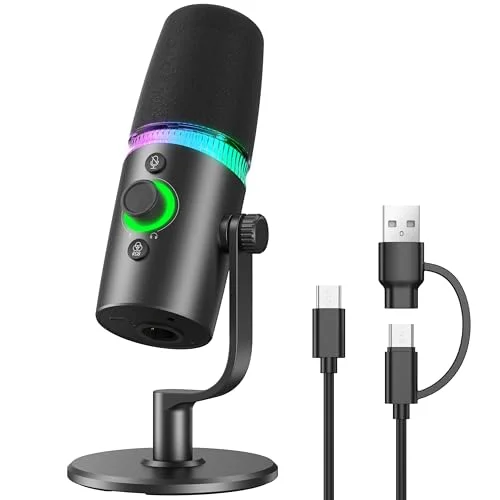
Room noise ruins podcast audio faster than bad technique. Dynamic microphones reject that off-axis sound naturally. The tricky part is picking between USB, XLR, or both. Mute buttons and gain controls matter more than people think.
A good dynamic mic stays clear up close but ignores the rest of the room. Metal builds and shock mounts help on a noisy desk. USB connections suit beginners well. XLR outputs leave room for better mixing later. Keep your controls simple and match your current interface.
⚡ Quick Verdict
List of Best Dynamic Microphone For Podcast Recording
| Image | Product | Score | Link |
|---|---|---|---|
 |
Shure SM7B Dynamic Vocal Microphone for Podcasting & Streami 🏆 Editor’s Pick |
9.3/10 |
View on Amazon Free Shipping & 30-Day Returns |
 |
Shure MV7X XLR Dynamic Podcast & Recording Microphone – Blac 🥈 Runner-Up |
8.8/10 |
View on Amazon Free Shipping & 30-Day Returns |
 |
MAONO PD200W Hybrid Wireless Podcast Microphone for PC, Dyna | 8.4/10 |
View on Amazon Free Shipping & 30-Day Returns |
 |
FIFINE AmpliTank K688 Dynamic Microphone, XLR/USB Podcast Re 💰 Best Value |
8.1/10 |
View on Amazon Free Shipping & 30-Day Returns |
 |
FIFINE AmpliTank K688CT Podcast Microphone Kit, USB/XLR Dyna | 8.0/10 |
View on Amazon Free Shipping & 30-Day Returns |
 |
FIFINE AmpliGame AM8 USB/XLR Dynamic Microphone for Gaming S 🥈 Runner-Up |
7.8/10 |
View on Amazon Free Shipping & 30-Day Returns |
 |
FIFINE AmpliGame AM8T XLR/USB Gaming Microphone Set, Dynamic | 7.6/10 |
View on Amazon Free Shipping & 30-Day Returns |
 |
USB/XLR Dynamic Microphone for Gaming Streaming Podcast Reco 🏆 Editor’s Pick |
7.2/10 |
View on Amazon Free Shipping & 30-Day Returns |
 |
ZealSound Podcast Microphone for PC, Noise Cancellation USB | 6.4/10 |
View on Amazon Free Shipping & 30-Day Returns |
📋 How We Evaluated
Evaluation weighed capsule type, pickup pattern, and connection options for real podcast setups. Build quality, onboard controls, and included mounts affected daily use. Value, listed features, and missing Amazon rating signals shaped suitability for beginners versus studio users.
Detailed Reviews
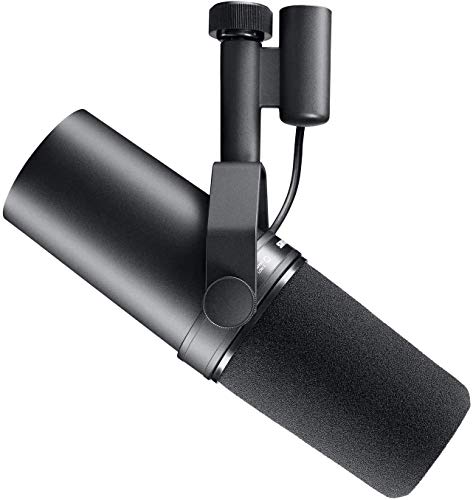
Shure SM7B Dynamic Vocal Microphone for Podcasting & Streami🏆 Editor’s Pick
| Output | Professional XLR |
| Capsule | Dynamic cardioid |
| Isolation | Air-suspension shock mount |
| Pop Control | Internal filter and windscreen |
What We Found
The Shure SM7B is a studio dynamic vocal microphone with a long broadcast record. A wide frequency response and dynamic cartridge aim for warm, even speech and singing. The cardioid pattern and air-suspension isolation reduce room sound and handling noise.
A built-in pop filter and detachable windscreen cut plosives and breath. XLR output expects a capable interface or mixer. Many users add gain because the output is modest. Electromagnetic shielding in the metal body fights hum. There is no USB, mute switch, or headphone jack.
That absence is a feature for engineers who shape tone downstream. For podcast voice, it remains the reference point in this group.
💬 My Take
The SM7B remains the decisive podcast dynamic in this group. Buy it only with enough clean gain behind it.
Who It’s For
Professional podcasters, voice actors, and singers who already run an interface are the right owners. The smooth vocal tone suits narrated shows and close-mic dialogue. Streamers can use it, but only after gain and routing are solved. A boom arm and a strong preamp are part of the real cost.
Beginners seeking plug-and-play USB should choose a hybrid instead. Buyers who want a mic that holds resale value and service reputation land here. It is the top pick when sound character matters more than onboard buttons.
✅ Pros
- Warm, controlled vocals suit podcasts, voice-over, and singing.
- Built-in pop filtering reduces the need for extra screens.
- Shielding and a metal body help limit hum and interference.
❌ Cons
- Low output demands a clean, strong preamp or booster.
- No USB or onboard monitoring slows simple computer setups.
- The full cost includes a boom and interface, not just the mic.
Shure MV7X XLR Dynamic Podcast & Recording Microphone – Blac🥈 Runner-Up
| Output | XLR only |
| Pattern | Cardioid dynamic |
| Isolation | Integrated shock mount |
| Mount | Yoke with 3/8 inch adapter |
What We Found
The Shure MV7X is an XLR-only dynamic microphone built specifically for spoken word. Voice-isolating cardioid behavior and an integrated shock mount target room noise. The all-metal body and yoke mount follow classic Shure broadcast styling. A 3/8-inch adapter supports common stands and boom arms.
There is no USB port, mute button, headphone jack, or RGB lighting. That keeps the signal path simple. Everything depends on an interface or mixer. Gain, tone, and monitoring live on the recorder instead. The design suits podcasts and livestreams that already have a preamp.
Shure’s reputation in podcasting is a real advantage here.
💬 My Take
I would pick this when my interface is already sorted and I want clean vocals. It skips toys and keeps the focus on sound. My read is that it is the smart runner-up for serious podcasters.
Who It’s For
Creators who already own an audio interface get the most from the MV7X. Podcasters wanting a focused vocal without gimmicks should consider it. The shock mount helps on a boom near a keyboard. Beginners without XLR gear will find the setup less friendly.
Live streamers can use it once interface routing is set. The metal build suggests long service in a regular studio. I would call it a strong alternative when flagship models feel too costly. It delivers exactly what you pay for.
✅ Pros
- Voice isolation and a shock mount target desk noise and vibration.
- The all-metal yoke design fits standard broadcast workflows.
- A simple XLR path avoids extra digital processing in the mic.
❌ Cons
- No USB option blocks plug-and-play computer recording.
- Mute, gain, and headphone monitoring require other gear.
- An interface purchase can erase any mic savings.
MAONO PD200W Hybrid Wireless Podcast Microphone for PC, Dyna
| Capsule | 30 mm dynamic cardioid |
| Connections | Wireless, USB, and XLR |
| Max SPL | 128 dB |
| Software | MaonoLink presets, EQ, reverb |
What We Found
The MAONO PD200W is a hybrid dynamic mic offering wireless, USB, and XLR options. A 30 mm capsule and cardioid pattern target close vocal work. The maker cites an 82 dB signal-to-noise ratio and 128 dB SPL handling. Three-stage noise cancellation aims to cut room echo without a booth.
One receiver can link two desktop mics for duo interviews. Separate tracks help later editing. Camera sync is claimed, though accessories are sold separately. Companion software offers presets plus EQ and reverb. Wireless freedom helps hosts who move around. Radio links can add failure points, however.
This is one of the more flexible podcast tools in the group.
💬 My Take
I would pick this when wireless freedom and dual-host recording matter most. Confirm latency and battery life before a live episode, though. My read is that it is unusually capable for the format.
Who It’s For
Interview hosts and two-person shows benefit most from the dual-mic receiver idea. Solo podcasters who dislike cables can start wireless. You can always fall back to USB later. Creators with an interface still have XLR for a wired path. App presets help users avoiding complex mixers.
The stand fits a desk, yet a boom arm improves placement. I would confirm battery life and latency before a live show. These features justify a close look when priced fairly.
✅ Pros
- Three connection methods cover mobile, computer, and studio use.
- Two wireless mics can record separate interview tracks.
- App presets speed up EQ and reverb choices.
❌ Cons
- Wireless use adds batteries, pairing, and possible latency.
- Camera accessories for synced video are sold separately.
- Battery life and delay figures are not listed.
FIFINE AmpliTank K688 Dynamic Microphone, XLR/USB Podcast Re💰 Best Value
| Max SPL | 130 dB |
| Connections | USB and XLR |
| USB Cable | 8.2 feet |
| Build | Metal body with windscreen |
What We Found
The FIFINE AmpliTank K688 is a metal dynamic mic with USB and XLR outputs. A 130 dB SPL rating suggests it handles loud voices without distortion. The cardioid pattern is meant to ignore fans and drives beside the desk.
A signal-to-noise figure above 80 dB is quoted for the XLR path. USB brings an 8.2-foot cable, tap-to-mute, gain, and headphone volume. Those controls do not work in XLR mode. No boom arm, mic stand, or XLR cable ships in the box. A windscreen is included for plosives.
The tone goal is natural speech with less processing. It acts as a straightforward studio tool rather than a flashy toy.
💬 My Take
My read is that the K688 is a practical metal hybrid for speech. Budget extra for a boom arm if you skip the kit version. I would shortlist it for serious home studios.
Who It’s For
Home studio users wanting a metal dynamic mic without gaming lights are a good match. Voice-over and podcast work benefit from the USB mute and monitor controls. Musicians can try XLR into a mixer for more headroom. Buyers must budget for a stand or boom arm separately.
The lack of a mount makes day-one setup incomplete. Windows and Mac plug-and-play keeps the USB path simple. I would compare the kit version if a boom arm is needed immediately.
✅ Pros
- High SPL handling suits loud speech and close vocals.
- Metal construction feels more studio-like than plastic gaming mics.
- USB monitoring and gain need no extra software.
❌ Cons
- Stand, boom arm, and XLR cable are not included.
- Front controls work only on the USB connection.
- No rating data confirms the quoted noise performance.
FIFINE AmpliTank K688CT Podcast Microphone Kit, USB/XLR Dyna
| Max SPL | 120 dB |
| Connections | USB and XLR |
| Included Mount | Metal boom arm and shock mount |
| Working Distance | 2 to 6 inches |
What We Found
The FIFINE K688CT pairs a dynamic USB and XLR mic with a metal boom arm. The capsule claims 120 dB SPL handling and a cardioid pattern for speech and instruments. Close range of two to six inches is advised for solid input level.
USB controls include tap-to-mute, gain, a headphone jack, and monitor volume. Those keys are inactive on XLR, so the mixer must take over. A windscreen and shock mount target plosives and low rumble. The boom keeps the mic off the desk and away from fan noise.
Assembly is meant to be straightforward. This kit solves the missing-stand problem of the plain K688. Audio character should be similar, with convenience as the upgrade.
💬 My Take
The boom and shock mount make the K688CT easier to live with. Sound should stay close to the bare K688.
Who It’s For
New podcasters who want a mic and boom in one box should start here. The arm helps keep a steady distance for cardioid dynamics. Gamers and voice-over users get USB monitoring without extra software.
Instrument recording is possible, though a dynamic mic is not the first choice for quiet acoustic detail. XLR users still need a cable and an interface. Desk clamp space and monitor clearance should be checked before mounting. The kit is practical when buying extras separately would cost more.
✅ Pros
- The boom arm and shock mount arrive with the microphone.
- Windscreen and mount reduce plosives and desk rumble.
- USB controls cover mute, gain, and headphone level.
❌ Cons
- Mic buttons do not function on the XLR connection.
- An XLR cable is still a separate purchase.
- The boom clamp may not fit every desk.
FIFINE AmpliGame AM8 USB/XLR Dynamic Microphone for Gaming S🥈 Runner-Up
| Frequency Response | 50 Hz to 16 kHz |
| Connections | USB and XLR |
| Suggested Distance | 2 to 6 inches |
| USB Controls | Mute, gain, headphone jack |
What We Found
The FIFINE AmpliGame AM8 is a cardioid dynamic mic with both USB and XLR paths. A 50 Hz to 16 kHz response targets speech rather than full-range music. The suggested working distance is two to six inches. USB mode adds tap-to-mute, an LED reminder, gain, and headphone monitoring.
Those controls go inactive on XLR. That behavior is normal for many hybrid mics. RGB offers three modes and over ten colors. The included desktop stand suits quick desk use. An XLR cable is not included. The design favors gaming streams and daily podcasts over treated studio vocals.
Missing rating data makes long-term reliability harder to judge.
💬 My Take
I see the AM8 as a sensible USB dynamic for streams and simple shows. XLR growth is real, but onboard controls stop there. My read is that it fits beginners best.
Who It’s For
Beginners recording on a PC or Mac are the core audience here. Streamers gain mute control without opening software. Creators who later buy an interface can switch to XLR. The stand works for basic talking-head setups. A boom arm is still better for consistent mouth distance.
RGB users matching PC lighting will appreciate the ring. Serious voice-over work may need a quieter room and stronger shock mount. I would pick this for casual streaming first.
✅ Pros
- Speech-focused response avoids an overly hyped vocal tone.
- USB mute has an LED reminder that reduces forgotten silence.
- RGB memory keeps the last color after power cycles.
❌ Cons
- Onboard controls shut off when the XLR output is used.
- The desktop stand is less stable for close, consistent placement.
- An XLR cable is not included for the upgraded connection.
FIFINE AmpliGame AM8T XLR/USB Gaming Microphone Set, Dynamic
| Sensitivity | -50 dB |
| Pattern | Cardioid dynamic |
| Connections | USB and XLR |
| Included Gear | Boom arm and windscreen |
What We Found
The FIFINE AmpliGame AM8T bundles the AM8-style dynamic mic with a boom arm. USB is plug-and-play for PC recording, while XLR feeds a mixer or sound card. Sensitivity is listed at -50 dB with a cardioid pattern to limit background pickup.
RGB is controlled by a tap, with no extra software required. Mute, gain, a headphone jack, and monitor volume cover live adjustments. A windscreen helps with plosives. The kit targets OBS and Streamlabs users who game and talk. Musical instruments are mentioned, but speech and streams are the clearer fit.
Controls likely drop out on XLR, as on the related AM8. The arm is the main reason to pick this over the desktop AM8.
💬 My Take
The AM8T is a capable gaming kit with a useful arm. Studio buyers can find calmer options with the same idea.
Who It’s For
Gamers and streamers who want RGB plus a boom arm in one purchase fit best. Podcasters can use the same kit if the look is acceptable. USB monitoring helps catch level problems during a live show. Creators moving to XLR should plan on interface controls instead of mic buttons.
The windscreen and arm reduce the accessory hunt. Confirm clamp fit on the desk before relying on the stand. This is a convenient gaming bundle more than a studio classic.
✅ Pros
- The boom arm improves placement over the desktop AM8 stand.
- RGB changes from a button without extra software.
- Mute, gain, and monitoring support live streaming.
❌ Cons
- RGB styling may distract in a plain spoken-word studio.
- XLR use likely disables the onboard function keys.
- Instrument recording is a weaker fit than voice and streams.
USB/XLR Dynamic Microphone for Gaming Streaming Podcast Reco🏆 Editor’s Pick
| Connections | USB-C and XLR |
| Sample Rate | 96 kHz, 24-bit |
| Pickup Pattern | Cardioid dynamic |
| Mount Threads | 3/8 and 5/8 inch |
What We Found
This dual-output dynamic mic targets creators who want broadcast warmth without a full studio chain. It claims a 96 kHz sample rate and 24-bit depth for detailed vocals. The cardioid pattern reduces room sound during close speech. Tap-to-mute and a headphone jack support live monitoring.
An aluminum body feels sturdier than typical plastic gaming mics. RGB lighting adds desk style but does not improve audio. Dual outputs let beginners start on USB and move to an interface later. Standard threads fit common boom arms. Independent ratings are missing from the listing.
I would treat the spec sheet as a promise until real recordings confirm it.
💬 My Take
My read is that flexible connections make this a practical starter mic. Unverified audio claims keep it below proven broadcast models, though. I would shortlist it only if the price is right.
Who It’s For
Gamers and new podcasters who want one mic for calls and streams will like this design. USB mode skips drivers entirely. XLR mode leaves room to grow into a mixer later. The mute sensor helps during live chat when interruptions happen.
RGB appeal suits a gaming setup more than a quiet interview desk. Buyers needing proven brand support should look elsewhere. I would check the street price before committing.
✅ Pros
- USB and XLR outputs let a simple desk setup grow into an interface later.
- Tap mute and a headphone jack give direct live control.
- The aluminum body should resist vibration better than light plastic mics.
❌ Cons
- No price or customer rating is available to judge real value.
- RGB lighting adds nothing to vocal clarity.
- High sample-rate claims are unverified without independent tests.
ZealSound Podcast Microphone for PC, Noise Cancellation USB
| Capsule Type | Condenser, not dynamic |
| Frequency Response | 40 Hz to 18 kHz |
| Connections | USB with phone adapters |
| Controls | Gain, monitor, echo, mute |
What We Found
The ZealSound K66 is sold as a podcast mic, but the capsule is actually a condenser. That distinction matters for this specific category. A cardioid pattern and wide frequency response aim for detailed speech. The stated sample rate is 46 kHz, which is unusual next to standard 48 kHz gear.
USB plug-and-play covers Windows, Mac, PlayStation, and tablets. Included adapters widen phone compatibility. Noise reduction is a hold-to-enable mode with a blue indicator. Knobs cover mic gain, monitor volume, and echo. A 3.5 mm jack supports zero-latency listening. Echo effects can sound artificial on spoken word.
Condenser sensitivity may pick up fans and keys more than a dynamic would.
💬 My Take
My read is that phone adapters are handy, but a condenser capsule misses the dynamic brief. I would not buy it for room rejection. Look elsewhere if background noise is your main concern.
Who It’s For
Mobile creators hopping between devices may like the included adapters. Teachers and meeting hosts can use the noise mode in untreated rooms. The echo knob suits casual singing more than dry podcast dialogue. Buyers specifically needing a dynamic mic should skip this model. Condensers often show more room tone.
No XLR output limits later studio upgrades. I would use it for simple USB speech tasks. Do not expect it to replace a dynamic broadcast mic.
✅ Pros
- Phone and tablet adapters make mobile recording easy.
- A separate noise-reduction mode targets fans, keys, and chatter.
- Physical knobs allow quick level and echo changes.
❌ Cons
- The condenser capsule does not match a dynamic podcast need.
- No XLR path limits professional upgrades.
- The echo control can hurt clean spoken dialogue.
What to Look For Before Buying
Match the mic to your recording chain before chasing extra features. Dynamic capsules usually forgive untreated rooms better than sensitive condensers. Decide whether USB, XLR, or wireless is actually needed. Then confirm your plan for stands, gain, and monitoring.
Check Confirm A True Dynamic Capsule
Read the capsule type before trusting a podcast label. A condenser can look similar but grabs more room noise. Cardioid dynamics work best two to six inches from the mouth. That close distance adds warmth and rejects side noise.
If the listing says condenser, it does not solve the same problem. I would double-check specs carefully.
Value Match USB, XLR, Or Wireless
USB is the fastest path for a laptop or phone. XLR needs an interface but offers cleaner long-term control. Hybrid mics often disable onboard knobs when XLR is active. Wireless adds movement for interviews, plus batteries to manage. Buy the connection that matches your next year of shows.
Do not just chase a feature list.
Rating Judge Gain, Mute, And Monitoring
Low-output dynamics need enough preamp gain to stay above hiss. A headphone jack lets the host hear problems live. Separate monitor volume avoids blasting your ears. A tap mute saves a take when someone walks in. If those controls vanish on XLR, plan to run them from the interface.
I would test this workflow early.
Verify Check Mounts And Proof
A boom arm keeps distance steady and lifts the mic off a noisy desk. Shock mounts and windscreens reduce rumble and plosives. Kits cost more upfront but remove extra orders later. Listings here lack prices and star ratings. Verify recent reviews before purchasing anything.
I would always test a return window with a real spoken sample.
Frequently Asked Questions
What makes a dynamic microphone useful for podcast recording?
A dynamic capsule handles close speech and ignores off-axis noise better than many condensers. That helps tremendously in bedrooms and offices. Cardioid aim still matters, though. I would always pair it with a pop filter and a steady mount.
Is USB or XLR better for a podcast mic?
USB is better when the computer is your whole studio. XLR wins when an interface or mixer is already in use. Hybrids cover both stages nicely. Remember that many hybrids disable mic buttons on XLR. I would choose based on your planned workflow.
Why do some podcast dynamics need so much gain?
Broadcast dynamics often trade output level for smooth tone and noise rejection. A weak preamp then sounds hissy. Interfaces with clean gain or a dedicated booster fix that problem. I would plan for extra gain if buying a low-output model.
Do RGB lights or echo knobs improve podcast audio?
Lights do not change the capsule or the room acoustics. Echo effects can make speech less clear and harder to edit. Mute, gain, and monitor controls are the truly useful extras. I would spend budget on placement and a quiet signal chain first.
Can two people share one podcast microphone setup?
One mic can work if both people sit close and levels stay balanced. Separate mics are much easier to edit later. Some wireless receivers support two mics and split tracks. Any shared setup still needs consistent distance. I would recommend separate mics for serious interviews.
🎯 Final Verdict
I would point to the Shure SM7B when a warm, controlled vocal is the absolute priority. Its isolation and built-in pop filtering suit close spoken word perfectly. You will need an interface with plenty of clean gain. The Shure MV7X is my preferred alternative for easier gain requirements.
USB hybrids fit simpler desks much better. Skip condenser models if room rejection is your main goal. Record a short test before your return window closes.

Leave a Reply