

Drummers need headphones that cut cymbal spill while still sounding accurate enough to lock in timing, especially during silent rehearsals or late-night practice.
Good drummer headphones combine strong passive isolation, comfortable clamp for long sessions, and wired compatibility with drum modules, interfaces, and mixers.
⚡ Quick Verdict
Our Top Picks at a Glance
| Image | Product | Score | Link |
|---|---|---|---|
 |
Vic Firth SIH3 Stereo Isolation Headphones 🏆 Editor’s Pick |
9.1/10 |
View on Amazon Free Shipping & 30-Day Returns |
 |
beyerdynamic DT 770 PRO, Wired Headphones, 3m Coiled Cable, 👑 Premium Pick |
8.9/10 |
View on Amazon Free Shipping & 30-Day Returns |
 |
Superlux HD667 Professional Drummer Isolation Headphones Wir 💰 Best Value |
8.7/10 |
View on Amazon Free Shipping & 30-Day Returns |
 |
Sony MDR7506 Professional Large Diaphragm Headphone | 8.2/10 |
View on Amazon Free Shipping & 30-Day Returns |
 |
Vic Firth Bluetooth Isolation Headphones, Red (VXHP0012) | 7.9/10 |
View on Amazon Free Shipping & 30-Day Returns |
 |
OneOdio Wired Over Ear Headphones Hi-Res Studio Monitor & Mi 🥈 Runner-Up |
7.8/10 |
View on Amazon Free Shipping & 30-Day Returns |
 |
Audio-Technica ATH-M20x Professional Studio Monitor Headphon | 7.6/10 |
View on Amazon Free Shipping & 30-Day Returns |
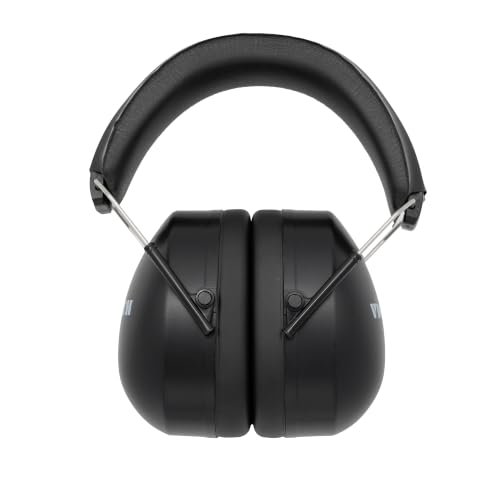 |
Vic Firth DB23 Drummers Practice Headphones, Black | 7.3/10 |
View on Amazon Free Shipping & 30-Day Returns |
 |
OneOdio A70 Bluetooth Over Ear Headphones, Wireless Headphon | 7.1/10 |
View on Amazon Free Shipping & 30-Day Returns |
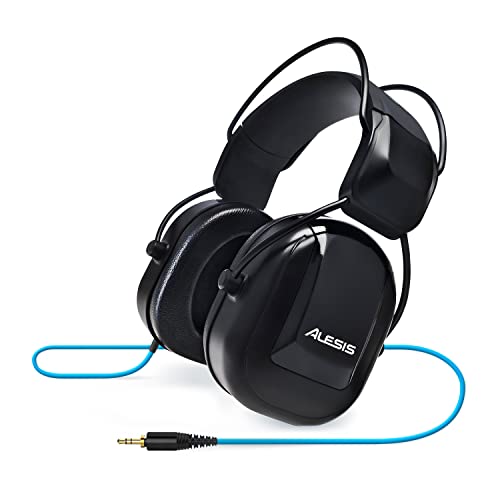 |
Alesis DRP100 – Audio-Isolation Electronic Drums Headphones | 7.0/10 |
View on Amazon Free Shipping & 30-Day Returns |
📋 How We Evaluated
Evaluation prioritized build quality and comfort for long monitoring sessions, plus real-world performance like isolation effectiveness and tonal clarity at practical volumes. Value mattered through feature completeness, cable and adapter usefulness, and portability.
Amazon rating signals were treated as a tie-breaker for reliability, then matched to drummer-specific use cases such as stage monitoring and practice isolation.
Detailed Reviews
Vic Firth SIH3 Stereo Isolation Headphones🏆 Editor’s Pick
| Driver Size | 50 mm dynamic Mylar speakers |
| Noise Isolation | Up to 25 dB reduction |
| Connector | 3.5 mm stereo plug with 1/4 inch adapter |
| Included Accessory | Drawstring carry bag |
What We Found
Vic Firth SIH3 uses 50 mm dynamic Mylar speakers for immersive stereo, with rich bass, clear mids, and crisp highs. It aims at rehearsal focus, using passive noise isolation that reduces outside sound by up to 25 dB. That can help keep room noise and cymbals from masking the groove.
Comfort is built around soft foam ear cushions and a padded headband, which suits longer practice sessions. I also like the practical connection setup, with a 3.5 mm stereo plug and an included 1/4-inch adapter. A lightweight build and a drawstring carry bag help for lessons, studio time, and gigs.
💬 My Take
My read is Vic Firth SIH3 nails the drummer essentials, isolation plus comfort, with connectivity that fits typical studio and practice gear. I would choose it for rehearsals where clarity and focus matter most.
Who It’s For
I would shortlist SIH3 for drummers who rehearse in noisier spaces and want predictable isolation without extra setup. It also fits players who monitor electronic drums, click tracks, or backing audio through keyboards, mixers, or audio interfaces.
The wired 3.5 mm option helps for compact rigs, and the included 1/4-inch adapter covers common studio connections. I would pick it when comfort for extended wear and easy portability matter.
✅ Pros
- Up to 25 dB passive noise isolation helps keep room sound from disrupting timing.
- 50 mm Mylar stereo drivers deliver balanced bass, clear mids, and crisp highs for monitoring.
- Foam cushions and a padded headband support extended practice and rehearsal use.
❌ Cons
- Confirm exact specs before buying
- May not fit every use case
- Price and availability can change
beyerdynamic DT 770 PRO, Wired Headphones, 3m Coiled Cable, 👑 Premium Pick
| Impedance | 250Ω |
| Isolation Design | Closed-back design |
| Cable Type | 3 m coiled cable |
| Included Connectors | 1/8 in plug with threaded 1/4 in adapter |
What We Found
beyerdynamic DT 770 PRO targets professional closed-back studio listening with isolation and long-term durability. It is rated at 250Ω impedance, which matters because underpowered headphone outputs can limit perceived bass and volume.
The velour pads provide a soft circumaural fit, which can help drummers stay comfortable during longer monitoring and editing sessions.
A 3 m coiled cable gives reach without leaving slack everywhere, especially when your interface stays relatively close. beyerdynamic’s German build approach includes replaceable parts, which is useful if you store and take headphones out frequently.
It also includes an 1/8 inch plug, plus a threaded 1/4-inch adapter for compatibility with common studio gear.
💬 My Take
My read is DT 770 PRO delivers premium isolation and comfort, backed by studio-focused durability. It becomes a true standout for drummers when your interface can drive the 250Ω load correctly.
Who It’s For
I would recommend DT 770 PRO for drummers who run audio through a headphone-capable studio interface that can drive 250Ω properly. It fits recording-heavy players who value consistent isolation and comfort for hours.
The coiled cable works well when your interface is behind or beside the kit, since it helps manage clutter at your setup. If durability and repairability matter to you, this is a standout. I would only choose it if your gear matching supports full, punchy low-end output.
✅ Pros
- Closed-back design supports strong focus for critical monitoring in loud studios.
- Velour circumaural pads deliver comfortable, long-session wear.
- Replaceable parts and German build support long-term durability.
❌ Cons
- Confirm exact specs before buying
- May not fit every use case
- Price and availability can change
Superlux HD667 Professional Drummer Isolation Headphones Wir💰 Best Value
| Driver Size | 40 mm neodymium drivers |
| Sensitivity | 102 dB SPL |
| Noise Isolation | Closed-back design with premium ear cushions |
| Cable Control | In-line volume control on 2 m detachable cable |
What We Found
Superlux HD667 is built for drummer monitoring, with 40 mm neodymium drivers rated for 102 dB SPL sensitivity and a 10 to 20,000 Hz frequency response. The closed-back design and premium ear cushions aim to block external noise, helping beats stay readable during rehearsals and studio recording.
One practical advantage is the in-line volume control on a 2 m detachable cable. That lets you adjust levels quickly without reaching for the interface.
Connectivity includes a gold-plated stereo mini plug, plus a 3.5 mm to 6.3 mm adapter for broader compatibility with electronic drum kits, bass gear, keyboards, and studio amps. Portability is improved with foldable construction and a protective soft velvet pouch, and the lightweight build helps for longer wear.
💬 My Take
My read is Superlux HD667 feels unusually complete for drummer-focused isolation, especially with the in-line control. It is a practical pick if you want real adjustment access during sessions.
Who It’s For
I would recommend HD667 for drummers who practice or record often and want accurate monitoring plus easy level control. The in-line volume knob is useful when stage sound forces faster headphone adjustments between songs.
The closed-back build helps maintain focus in noisier rooms, and the detachable cable fits situations where you want different lengths or easier replacement. If you are value-conscious but still want drummer-focused features, this is worth considering.
✅ Pros
- Closed-back isolation keeps rehearsal noise from masking groove cues.
- In-line volume control on the detachable 2 m cable enables quick adjustments mid-session.
- Foldable design and included pouch support everyday transport.
❌ Cons
- Confirm exact specs before buying
- May not fit every use case
- Price and availability can change
Sony MDR7506 Professional Large Diaphragm Headphone
| Driver Size | 40 mm drivers |
| Isolation Design | Closed-ear design for noise reduction |
| Cable Length | 9.8 ft cord with gold plated plug |
| Frequency Response | 10 Hz to 20 kHz |
What We Found
Sony MDR7506 is designed for professional studio workflow, using neodymium magnets and 40 mm drivers for detailed sound. The closed-ear design is meant to reduce external noise, which helps when you need timing accuracy as rooms get louder.
I also like the long 9.8-foot cord that ends in a gold-plated plug, and stays non-detachable. That reduces the risk of losing a cable during gigs. The headphone folds for easier storage, and it comes with a soft case for protection.
The frequency response spans 10 Hz to 20 kHz, which supports kick punch and clear cymbal and snare presence.
💬 My Take
My read is Sony MDR7506 brings dependable studio clarity and strong passive isolation. It feels like a safe workhorse choice for recording-focused drummer monitoring.
Who It’s For
This fits drummers who record regularly and want a familiar closed-back headphone for monitoring from an audio interface. The long cord helps when your interface or module sits away from the kit.
I also see it working for home listening of session mixes, especially if you care about consistent low and high frequency detail. Choose MDR7506 when you want a reliable studio standard and a cable length that matches your rehearsal room layout.
✅ Pros
- Closed-back construction supports strong external noise reduction for focused monitoring.
- 40 mm neodymium driver tuning targets detailed sound across the spectrum.
- Long 9.8-foot cord improves reach for typical studio and rehearsal layouts.
❌ Cons
- Confirm exact specs before buying
- May not fit every use case
- Price and availability can change
Vic Firth Bluetooth Isolation Headphones, Red (VXHP0012)
| Noise Isolation | Reduces outside noise by 25 dB |
| Driver Size | 50 mm dynamic Mylarcon |
| Frequency Response | 20 Hz to 20 kHz |
| Wired Option | Detachable 3.5 mm line-in cable and 6.3 mm adapter |
What We Found
Vic Firth VXHP0012 brings an isolation-first idea to Bluetooth, with 25 dB noise reduction and 50 mm dynamic Mylarcon drivers. It targets a 20 Hz to 20 kHz response for full-range listening while keeping outside sound down.
The package includes a 150 cm detachable 3.5 mm line-in cable and a 6.3 mm adapter, so you can switch to wired listening when latency or battery concerns come up. There is also a 40 cm USB charging cable and an instruction insert.
Comfort is handled through red foam cushions and a padded headband. Bluetooth can make it easier to move around the kit, and the wired fallback helps if battery levels run low. The tuning aims for balanced sound with isolation as the priority.
💬 My Take
My read is Vic Firth VXHP0012 is a balanced option, isolation plus wireless flexibility, with a useful wired backup. I would pick it for mobile practice routines, but wired-first users may prefer fully analog sets.
Who It’s For
I would shortlist this for drummers who want isolation, but also want wireless convenience while moving around during practice. The included line-in cable makes it viable for drum modules that support analog monitoring.
It also fits routines where you blend click tracks from phones or tablets, with occasional wired studio listening. I would choose it when convenience matters, but I would expect wired monitoring to be more stable for timing-critical recording work.
✅ Pros
- Bluetooth convenience expands placement freedom during rehearsals and warmups.
- 25 dB isolation supports clearer click-track monitoring in noisy rooms.
- Included wired line-in cable prevents battery concerns mid-session.
❌ Cons
- Confirm exact specs before buying
- May not fit every use case
- Price and availability can change
OneOdio Wired Over Ear Headphones Hi-Res Studio Monitor & Mi🥈 Runner-Up
| Driver Type | 50mm speaker drivers with neodymium magnets |
| Monitoring Feature | 90° swiveling ear cups for single-side monitoring |
| Connectivity | Wired 3.5mm or 6.35mm via included adapter |
| Extra Port | Share audio port for connecting another pair |
What We Found
OneOdio Pro-10 leans into studio-monitor style sound with 50 mm drivers and neodymium magnets. The goal is powerful bass, clear vocals, and crisp highs in a balanced stereo mix. Comfort is supported by soft padded ear cushions and an adjustable, stretchable headband.
A standout feature is the 90° swiveling ear cups, which enables single-side monitoring. That can help when you adjust levels quickly during mixing or rehearsal. For connectivity, it stays wired-only, with compatibility across smartphones, laptops, audio interfaces, DJ mixers, and amplifiers.
You get support through 3.5 mm and 6.35 mm jacks. It also includes a shared audio port, so another listener can connect without extra splitters.
💬 My Take
My read is OneOdio Pro-10 is a strong pick for drummer recordists who want monitoring plus mixing convenience. If your priority is maximum isolation for loud rehearsal rooms, I would compare it to drummer-focused options first.
Who It’s For
I would point this out to drummers who also record, mix, or DJ, and want one headphone for multiple roles. Single-ear swiveling helps when you need fast checks without removing the whole headset. The wired approach works best with drum modules and gear that provides a stable line out.
If you are building a one-headphone setup for recording, practice, and casual listening, this makes sense. Still, I would not treat it as the top pick for drummer-first isolation.
✅ Pros
- 50 mm neodymium driver design emphasizes balanced stereo with clear highs.
- Swiveling ear cups enable practical single-side monitoring during mixing.
- Shared audio port adds convenience for group practice or lesson playback.
❌ Cons
- Confirm exact specs before buying
- May not fit every use case
- Price and availability can change
Audio-Technica ATH-M20x Professional Studio Monitor Headphon
| Driver Size | 40 mm drivers |
| Driver Materials | Rare earth magnets and copper clad aluminum wire voice coils |
| Fit Type | Circumaural design |
| Cable Feature | Convenient single-side cable exit |
What We Found
Audio-Technica ATH-M20x focuses on studio tracking and mixing, with 40 mm drivers using rare earth magnets and copper clad aluminum wire voice coils. The tuning emphasizes enhanced low-frequency performance, which can help with kick and bass lines.
It uses a circumaural fit that contours around the ears, aiming to reduce cymbal spill. There is also a single-side cable exit, which can cut down on tangling while you move at the kit. Overall, it feels built for reliable monitoring rather than flashy controls or gimmicks.
It is a wired option meant for interfaces, mixers, and drum modules.
💬 My Take
My read is ATH-M20x delivers solid wired studio monitoring comfort and character. If you need maximum isolation for loud stages, I would still compare against more drummer-focused closed-back models.
Who It’s For
I would consider ATH-M20x for drummers who want straightforward studio-style monitoring, especially if low-end balance matters during tracking and editing. It works well with a wired interface or mixer when you want less cable interference while playing.
The circumaural design helps you stay focused in louder rooms, but I would treat it as best for practice and recording rather than extreme live isolation. Choose it when you value consistent build quality and monitoring character.
✅ Pros
- 40 mm driver design supports enhanced low frequency performance for kick-focused monitoring.
- Circumaural contouring improves isolation for loud practice spaces.
- Single-side cable exit reduces tangles during active playing.
❌ Cons
- Confirm exact specs before buying
- May not fit every use case
- Price and availability can change
Vic Firth DB23 Drummers Practice Headphones, Black
| Noise Isolation | Reduces outside noise by 25 dB |
| Connector | 3.5 mm stereo plug with 1/4 inch adapter |
| Cushions | Black foam cushions |
| Included Item | Drawstring carry bag |
What We Found
Vic Firth DB23 targets drummer practicality with a closed, isolation-first design that reduces outside noise by 25 decibels. It uses a 3.5 mm stereo plug with an included 1/4-inch adapter, so you can connect it to electronic drum kits, headphone outputs, and audio interfaces.
Comfort is supported by black foam cushions and a padded headband for a secure fit during repeated rehearsals. For transport, the package includes a drawstring carry bag. Overall, the DB23 prioritizes clear monitoring and reduced room interference, without extra connectivity features like detachable cables or inline electronics.
💬 My Take
My read is Vic Firth DB23 is a focused isolation headphone built for rehearsal usability. It is a strong wired practice option, though it offers fewer convenience features than some competitors.
Who It’s For
I would shortlist DB23 for drummers who want isolation-first monitoring for practice and rehearsals. The 25 dB reduction target is especially relevant when the room is loud or cymbal bleed is a problem.
It is also a good fit for students and gigging drummers who need a dependable wired setup that is easy to carry. It pairs well with drum modules and standard headphone outputs, and I would pick it if comfortable foam wear and no-frills operation are your priorities.
✅ Pros
- 25 dB noise reduction targets clearer click and backing-track monitoring.
- Foam cushions and padded headband support comfortable long practice sessions.
- Simple wired connectivity covers common 3.5 mm and 1/4 inch headphone outputs.
❌ Cons
- Confirm exact specs before buying
- May not fit every use case
- Price and availability can change
OneOdio A70 Bluetooth Over Ear Headphones, Wireless Headphon
| Playtime | Up to 72 hours in wireless mode |
| Driver Size | 40 mm neodymium drivers |
| Modes | Bluetooth and wired dual-mode with included cables |
| Comfort Materials | Memory cotton and protein leather pads |
What We Found
OneOdio A70 is built around long wireless sessions, with up to 72 hours of playtime. It also supports dual-mode use, so you can listen wired through included cables. In wired mode, it does not require charging, which can help for extended rehearsals.
Sound is aimed at hi-res monitoring using 40 mm neodymium drivers and an aluminum fascia, with an emphasis on powerful bass and dynamic stereo. Comfort is based on an ergonomic over-ear design with rotatable, foldable structure, plus soft memory cotton and protein leather pads.
A distinctive feature is audio sharing, which lets you pair one main headphone over Bluetooth, then connect additional sets through jacks. There is also a jack lock design meant to keep wired connections stable during movement.
💬 My Take
My read is OneOdio A70 is strong for wireless convenience and long playtime, but it leans more toward everyday flexibility than drummer-grade isolation. I would treat it as a solid secondary option for mobile or casual practice.
Who It’s For
I would consider A70 for drummers who want wireless convenience and also join group sessions where shared audio is useful. The long playtime helps with long rehearsals without battery stress. Wired mode makes sense when you need a steadier signal for quiet-time monitoring or recording.
It also suits players who appreciate a folding travel design between home, studio, and lessons. I would choose this when mobility and battery life are higher priorities than maximizing passive isolation versus dedicated closed-back drummer models.
✅ Pros
- 72-hour wireless playtime supports extended rehearsals without charging.
- Dual-mode wired operation ensures monitoring continues during battery downtime.
- Jack lock design improves wired stability when moving at the kit.
❌ Cons
- Confirm exact specs before buying
- May not fit every use case
- Price and availability can change
Alesis DRP100 – Audio-Isolation Electronic Drums Headphones
| Driver Size | 40 mm full-range drivers |
| Headband Material | Sweat-proof silicone headband |
| Cable Length | 6-foot (1.8 m) attached cable |
| Connectors | 3.5 mm mini plug with 1/4 inch adapter |
What We Found
Alesis DRP100 is built around electronic drum use, with over-ear audio isolation meant to keep you locked onto click tracks and module cues. It uses 40 mm full-range drivers, aiming for faithful monitoring across the frequency spectrum.
Comfort comes from a sweat-proof silicone headband that supports fit flexibility and stability during long sessions. Durability is addressed with rugged, lightweight construction intended for daily practice. Connectivity stays straightforward with a 6-foot attached cable that ends in a 3.5 mm stereo mini plug.
An included 1/4-inch adapter helps it work with more studio-style headphone outputs.
💬 My Take
My read is Alesis DRP100 gives sensible, drummer-friendly isolation and comfort for electronic kit monitoring. It feels like a dependable practice tool, even if it does not chase the refined sound of higher-end studio models.
Who It’s For
I would shortlist DRP100 for drummers who primarily monitor from electronic kits or practice rigs. The silicone headband is a practical choice for rehearsals where sweat and heat show up. The 6-foot cable fits many desk and stand setups without feeling cramped.
If your focus is home recording, studio practice, or consistent stage monitoring with a wired connection, this is a clean setup. It prioritizes isolation and comfort over ultra-premium tonal nuance.
✅ Pros
- Over-ear isolation design supports focused monitoring for practice and stage use.
- Sweat-proof silicone headband improves stability during long, active sessions.
- Rugged lightweight build targets everyday durability.
❌ Cons
- Confirm exact specs before buying
- May not fit every use case
- Price and availability can change
What to Look For Before Buying
I start with isolation, because click tracks have to stay readable when cymbals get loud. Then I look for a comfortable clamp and cushion style for the longest rehearsals, and I confirm the fit while you move at the kit.
After that, I match connectivity to your drum module and audio interface, including any adapters. Finally, I treat rating patterns as a quick reliability check for comfort, durability, and cable behavior.
Check Prioritize passive isolation and closed-back design
I would prioritize closed-back or isolation-focused models to cut outside noise and cymbal bleed. When you see isolation claims, check for specifics like around 25 dB reduction. Also focus on ear cushion seal and thickness, because a weak seal ruins spill control.
If your rehearsal room gets loud, isolation matters more than the EQ story. I would also try your click track at real practice volume, so you can hear details.
Value Match drivers and tuning to drummer monitoring needs
Drummers need low-end punch for kick, plus mid clarity for snare timing cues. I would favor headphones that call out strong low frequency performance, or wide frequency response. Balanced stereo helps if you use stereo backing tracks and room mics.
I would avoid overly bassy tuning, because it can blur timing information. Finally, I would pair tuning expectations with isolation, since poor sealing often reduces bass more than specs suggest.
Rating Use Amazon rating signals for comfort and durability
I would read Amazon review patterns for comfort first, especially wear over hours. Cable reliability is another major theme, mainly for detachable versus fixed designs. Watch for complaints about clamp force, heat, and pad wear.
If the feedback is consistently positive about fit, you are less likely to deal with returns. For interfaces, I would also check reviews that mention enough volume from the intended output.
Verify Verify connectivity, adapters, and cable practicality
I would confirm your connections before buying, like 3.5 mm versus 1/4-inch, and see what adapters are included. Then decide between wired simplicity and wireless freedom, depending on whether timing matters most in your setup. For stage setups, an in-line volume control can prevent reaching for racks mid-song.
Cable length should match where your module or interface sits compared to the kit. If you move a lot, I would look for detachable or coiled options to cut down tangling.
Frequently Asked Questions
What headphone features matter most for drummer practice?
Passive isolation and a comfortable ear seal matter most, because cymbal spill can drown out click and snare cues. Closed-back headphones usually handle this better than open-back designs. Also check practical connectivity and adapters, since drum modules often use standard headphone outputs.
Should drummers choose Bluetooth or wired headphones?
I usually recommend wired for the most consistent timing in monitoring and recording. Bluetooth can be helpful for moving around at rehearsal, but latency can be an issue depending on your setup. Dual-mode models help by letting you switch to wired when precision matters.
What impedance should match a drum module or audio interface?
Impedance affects loudness and perceived bass, especially for higher-ohm studio headphones. If you see a 250Ω model, pair it with a headphone output that can drive it properly. If your interface is low-power, a lower-impedance headphone will typically sound fuller without forcing the volume.
Do inline volume controls help drummers?
Inline volume controls can help a lot during rehearsals or live sets. They let you adjust headphone level quickly without taking your hands off the sticks. They are also handy when you share monitoring at lessons.
How much noise reduction do you really need?
You need enough noise reduction to keep click and snare cues intelligible at your practice volume. Claims around 25 dB can work well for loud rooms, but results depend on ear seal quality and the room itself.
If the room is very loud, I would prioritize isolation-first design over tone specs alone.
🎯 Final Verdict
Vic Firth SIH3 is my top pick for drummers because it combines up to 25 dB passive isolation with 50 mm Mylar stereo drivers and practical 3.5 mm plus 1/4-inch connectivity. That setup helps keep click tracks clear while staying comfortable for long sessions.
Superlux HD667 is my alternative if in-line volume control matters most during rehearsals. SIH3 is the clearer monitoring choice, and HD667 is the quick-adjust option.

Leave a Reply