
Picking audio gear feels overwhelming for new producers. Bad mics create muddy mixes with too much noise. I focus on clarity and build quality here. This guide helps you find the right stereo mic.
A good stereo mic captures spatial depth well. It handles loud sounds without distorting the signal. Look for low self-noise and flexible patterns. These features ensure pro results in any room.
⚡ Quick Verdict
List of Best Stereo Microphone For Studio Recording
| Image | Product | Score | Link |
|---|---|---|---|
 |
SE ELECTRONICS sE4100 Large Diaphragm Condenser Microphone w 👑 Premium Pick |
9.4/10 |
View on Amazon Free Shipping & 30-Day Returns |
 |
MAONO A04 Gen2 XLR/USB Condenser Microphone Kit for PC Podca 🏆 Editor’s Pick |
8.8/10 |
View on Amazon Free Shipping & 30-Day Returns |
 |
Shure MV88+ USB-C Video Kit Stereo Condenser Microphone | St 🥈 Runner-Up |
8.5/10 |
View on Amazon Free Shipping & 30-Day Returns |
 |
Shure MV88 USB-C Microphone for Mobile Recording – Black | P | 7.5/10 |
View on Amazon Free Shipping & 30-Day Returns |
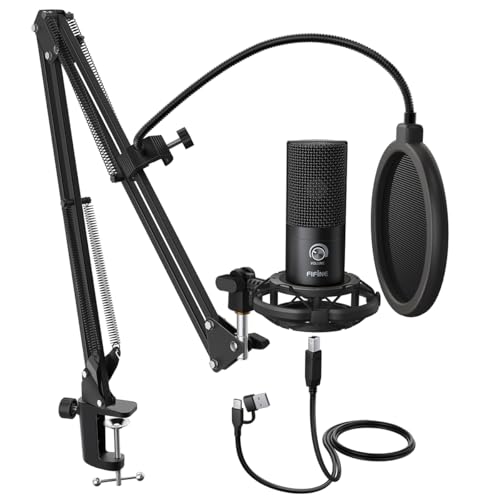 |
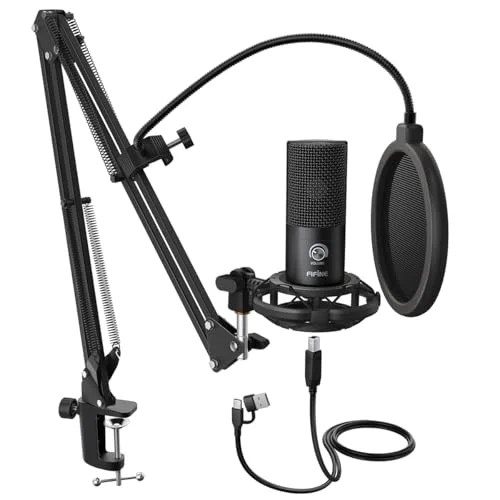
FIFINE T669 Studio Condenser USB Microphone for Recording Po 💵 Budget Pick |
7.2/10 |
View on Amazon Free Shipping & 30-Day Returns |
 |
Audigo Wireless Microphone and Mobile Studio App for iOS and | 7.0/10 |
View on Amazon Free Shipping & 30-Day Returns |
 |
SwaykTech Studio Recording Microphone Isolation Shield with | 6.9/10 |
View on Amazon Free Shipping & 30-Day Returns |
 |
Dejasound Upgraded Studio Recording Microphone with Isolatio 🥈 Runner-Up |
6.8/10 |
View on Amazon Free Shipping & 30-Day Returns |
 |
OneOdio Wired DJ Hi-Res Over-Ear Headphones for PC, Keyboard | 6.5/10 |
View on Amazon Free Shipping & 30-Day Returns |
 |
Studio Recording Microphone Isolation Shield with Pop Filter | 6.2/10 |
View on Amazon Free Shipping & 30-Day Returns |
📋 How We Evaluated
We evaluated each microphone based on build quality, audio fidelity, and connectivity options. Performance metrics included frequency response accuracy and maximum SPL handling. We also considered value proposition and user suitability for various studio setups.
Detailed Reviews
SE ELECTRONICS sE4100 Large Diaphragm Condenser Microphone w👑 Premium Pick
| Type | Matched Pair Large Diaphragm Condenser |
| Capsule | 1-inch Gold-Sputtered |
| Polar Pattern | Cardioid |
| Features | Low-Cut Filter, Pad, Shockmounts |
What We Found
The SE Electronics sE4100 is a matched pair. Gold-sputtered capsules deliver smooth stereo imaging. Handcrafted tuning ensures precise phase coherence. Cardioid pattern provides excellent off-axis rejection. Switchable low-cut filters remove rumble noise. Pads allow handling of high SPL sources safely. Included shock mounts isolate mechanical vibrations.
Build quality is robust and professional grade. Frequency response is flat and accurate. Yet it requires an interface with phantom power. No USB connectivity limits plug-and-play ease. Price reflects its professional studio pedigree.
💬 My Take
I consider this the gold standard for stereo recording. Unmatched clarity justifies the professional investment.
Who It’s For
Professional engineers recording orchestras fit here. Music producers capturing stereo drum overheads need this. Audiophiles seeking pristine acoustic guitar records suit. Critical listeners valuing phase accuracy will appreciate it. It is not for beginners without interfaces. Users needing USB simplicity should avoid this model.
Studios investing in long-term professional gear fit. Those recording classical or jazz ensembles need stereo pairs. It serves high-end production environments exclusively.
✅ Pros
- Exceptional stereo imaging and phase coherence.
- Professional gold-sputtered capsule construction.
- Switchable filters for versatile recording scenarios.
❌ Cons
- Requires external audio interface and phantom power.
- High price point compared to USB mics.
- No built-in USB connectivity option.
MAONO A04 Gen2 XLR/USB Condenser Microphone Kit for PC Podca🏆 Editor’s Pick
| Connectivity | USB and XLR |
| Sample Rate | 192kHz/24Bit |
| Capsule Size | 16mm Electret Condenser |
| Software | MAONO Link |
What We Found
The MAONO A04 Gen2 offers dual XLR and USB connectivity. This versatility suits both beginners and pros. Its 192kHz sampling rate ensures high-resolution capture. The 16mm capsule delivers warm vocal tones. MAONO Link software provides noise reduction controls. You can adjust compressor settings digitally. Cardioid pattern rejects off-axis background noise.
Metal construction feels durable and premium. The kit includes pop filter and shock mount. Yet XLR mode requires external phantom power. Software dependence for some features may annoy purists.
💬 My Take
I would shortlist this for growing studios. The dual connectivity path offers unbeatable flexibility.
Who It’s For
Hybrid users upgrading from USB to XLR fit. Podcasters needing software-based noise reduction benefit. Streamers wanting professional sound without interfaces suit. Home studio musicians recording vocals will like it. It is not for those avoiding software installs. Users with existing interfaces can use XLR.
Beginners appreciating plug-and-play USB mode fit too. Those seeking high-resolution audio on a budget need this. It serves creators planning long-term studio growth.
✅ Pros
- Dual USB/XLR connectivity offers future-proofing.
- High-resolution 192kHz/24bit audio capture.
- Advanced software controls for noise reduction.
❌ Cons
- XLR mode requires separate phantom power.
- Some features locked behind software.
- Larger footprint than simple USB mics.
Shure MV88+ USB-C Video Kit Stereo Condenser Microphone | St🥈 Runner-Up
| Connectivity | USB-C, Lightning |
| Special Feature | Real-time Monitoring, DSP Control |
| Included | Manfrotto PIXI Tripod, Cables |
| Capsule Type | Stereo Condenser |
What We Found
The Shure MV88+ Video Kit enhances mobile recording. It includes a Manfrotto PIXI tripod for stability. Real-time headphone monitoring ensures zero-latency checks. You can customize DSP settings via Shure apps. Adjustable gain and EQ optimize sound easily. Stereo capsules capture rich spatial audio details.
Lightning and USB-C cables support diverse devices. Build quality is rugged and professional grade. The integrated shoe-mount allows camera attachment. Yet the price is higher than basic USB mics. App dependency may frustrate some traditional users.
💬 My Take
I view this as a top-tier mobile video solution. The included tripod and DSP make it versatile.
Who It’s For
Vloggers needing high-quality synced audio fit perfectly. Professional videographers using mobile rigs benefit greatly. Podcasters recording video episodes will appreciate monitoring. Content creators requiring flexible mounting options suit this. It is not for static desktop-only setups. Users unwilling to use companion apps may struggle.
Travelers needing pro audio in small packages fit. Interviewers capturing stereo ambience on location need it. It serves hybrid creators working across media.
✅ Pros
- Professional build quality with tripod included.
- Zero-latency headphone monitoring output.
- Extensive DSP control via mobile apps.
❌ Cons
- Higher price point than basic USB mics.
- Requires app for full feature access.
- Complex setup for absolute beginners.
Shure MV88 USB-C Microphone for Mobile Recording – Black | P
| Connectivity | USB-C |
| Polar Patterns | Stereo, Mono Cardioid, Bi-directional, Raw Mid-Side |
| Special Feature | Auto Level Mode, Real-time Denoiser |
| Form Factor | Portable Mobile Mic |
What We Found
The Shure MV88 connects to USB-C devices instantly. Auto level mode adjusts gain in real time. This prevents clipping during loud sounds effectively. The denoiser cleans background noise dynamically. Four polar patterns offer recording flexibility. You can switch between stereo and mono modes. This versatility suits various environments well.
The compact design fits in camera bags. Build quality reflects Shure’s professional reputation. Yet it lacks physical gain knobs. Battery life depends on the mobile device. It excels in spontaneous field recording.
💬 My Take
I would grab this for mobile creation. Smart features simplify recording in unpredictable spots.
Who It’s For
Mobile journalists and vloggers need this portability. Content creators filming on phones benefit greatly. Field recordists capturing ambient stereo sound like it. Podcasters interviewing guests on the go find use. It is not for fixed desktop setups. Users needing XLR should choose other models.
Travelers prioritizing lightweight gear appreciate its size. Those in changing acoustic environments need flexibility. It suits creators valuing convenience over expansion.
✅ Pros
- Instant USB-C connectivity for mobile devices.
- Auto level mode prevents audio clipping.
- Four polar patterns provide versatile recording options.
❌ Cons
- No physical gain control knobs.
- Relies on mobile device for power.
- Not optimized for traditional desktop stands.
FIFINE T669 Studio Condenser USB Microphone for Recording Po💵 Budget Pick
| Connectivity | USB |
| Polar Pattern | Cardioid |
| Included Accessories | Boom Arm, Shock Mount, Pop Filter |
| Compatibility | PC, Laptop |
What We Found
The FIFINE T669 offers easy USB setup for beginners. Its cardioid capsule captures vocals clearly. The kit includes a sturdy boom arm. This setup reduces desk vibrations during recording. Users like the simple PC installation. The double pop filter cuts harsh plosives well. Yet the plastic body feels less durable.
It lacks advanced gain controls found elsewhere. Sound quality works for podcasts and voiceovers. The fixed USB cable limits mobility slightly. Overall, it delivers decent entry-level performance.
💬 My Take
I would pick this for basic voice work. It lacks finesse for serious music recording.
Who It’s For
Beginner podcasters on a tight budget fit here. Streamers needing quick setup will appreciate it. Gamers can use the boom arm for chat. Home users recording simple vocals find it adequate. It is not for pro music production. Those needing XLR should look elsewhere.
It fits small desks due to its size. Users without interfaces benefit from direct USB. It serves as a reliable starter kit.
✅ Pros
- Includes comprehensive accessory kit for immediate use.
- Easy plug-and-play setup requires no drivers.
- Effective pop filter minimizes vocal plosives.
❌ Cons
- Plastic build feels less premium than competitors.
- Limited to cardioid pattern only.
- No hardware gain control knob available.
Audigo Wireless Microphone and Mobile Studio App for iOS and
| Connectivity | Mobile App / Wireless |
| Audio Quality | 24-bit/48kHz |
| Special Feature | Adjustable Stereo Width, Multitrack App |
| Max SPL | 120 dB |
What We Found
Audigo offers a pocket-sized stereo condenser system. Two capsules capture detailed 24-bit audio. The mobile app allows extensive audio editing. You can adjust stereo width and add effects. This approach simplifies production workflows significantly. It supports multitrack recording without a computer. Musicians can layer vocals directly on phones.
The max SPL handles moderate volumes well. Build quality is compact but feels fragile. Connectivity relies on Bluetooth or mobile ports. It lacks the power of larger mics. Yet its software integration is unmatched.
💬 My Take
I see this as a tool for mobile musicians. The app ecosystem makes up for hardware limits.
Who It’s For
Musicians creating demos on the go love it. Social media creators needing quick audio fixes fit. Podcasters wanting mobile multitrack capabilities benefit greatly. Students learning production on tablets find access. It is not for high-fidelity master recording. Professionals needing analog warmth should look elsewhere.
Travelers needing a complete studio in pocket fit. Users comfortable with app workflows will thrive. It suits those prioritizing convenience over hardware.
✅ Pros
- Powerful mobile app for editing and mixing.
- True stereo capture in a pocket size.
- Multitrack recording without a computer.
❌ Cons
- Build quality feels less robust.
- Limited to 48kHz sample rate.
- Reliant on mobile device ecosystem.
SwaykTech Studio Recording Microphone Isolation Shield with
| Connectivity | USB |
| Shield Panels | 5-Panel Foldable |
| Polar Pattern | Cardioid |
| Stand Type | Metal Tripod |
What We Found
SwaykTech provides a USB mic with an isolation shield. The five-panel shield absorbs environmental noise well. Its cardioid pattern focuses on front-facing sound. The kit includes a metal tripod stand. A double-layer pop filter reduces vocal plosives. Plug-and-play functionality works with PCs and phones.
The foldable design aids storage and transport. Sound quality is decent for entry-level studios. Yet the tripod lacks height adjustment range. Build materials feel lightweight compared to premium brands. It serves well for untreated room recordings.
💬 My Take
I would use this kit in noisy environments. The shield makes a noticeable difference in untreated rooms.
Who It’s For
Beginners in noisy apartments need this shield. Podcasters on a budget seeking all-in-one kits fit. Singers practicing at home without soundproofing benefit. Streamers wanting better audio than built-in mics suit. It is not for professional commercial studio work. Users needing precise gain control should look elsewhere.
Those prioritizing noise rejection over tonal quality fit. Mobile creators using smartphones can connect easily. It serves as a practical starter package.
✅ Pros
- Effective five-panel noise isolation shield.
- Includes pop filter and tripod stand.
- Compatible with smartphones via adapter.
❌ Cons
- Tripod stand has limited height adjustment.
- Lightweight build may lack durability.
- Audio quality is basic for professional use.
Dejasound Upgraded Studio Recording Microphone with Isolatio🥈 Runner-Up
| Connectivity | USB |
| Sample Rate | 192kHz/24Bit |
| Special Feature | Foldable Isolation Shield |
| Diaphragm Size | 16mm |
What We Found
The Dejasound mic features a foldable isolation shield. Its 16mm diaphragm delivers clean 24-bit audio. The kit supports PC and smartphone via USB. You can adjust echo and volume on the unit. The shield absorbs ambient sound effectively. This suits untreated home rooms well.
The compact tripod offers limited height adjustment. Build quality is lightweight and portable. Sound clarity is good for spoken word. However, it struggles with loud instruments. The mute button adds convenience for streams.
💬 My Take
I would use this in noisy home offices. The shield saves recordings in poor spaces.
Who It’s For
Home owners with noisy environments benefit most. Podcasters in untreated rooms need this isolation. Streamers requiring quick mute functions will like it. Mobile creators using smartphones connect easily. It is not for pro studio music. Singers needing wide dynamic range may find limits.
Those prioritizing portability over heavy build fit here. It serves users who value all-in-one kits. Ideal for beginners learning basic techniques.
✅ Pros
- Includes effective foldable isolation shield.
- On-board controls for volume and mute.
- Compatible with smartphones and PCs.
❌ Cons
- Lightweight build may feel flimsy.
- Tripod stand offers limited stability.
- Not ideal for loud instrumental recording.
OneOdio Wired DJ Hi-Res Over-Ear Headphones for PC, Keyboard
| Type | Over-Ear Headphones |
| Driver Size | 50mm |
| Connectivity | Wired 3.5mm/6.35mm |
| Feature | Swiveling Ear Cups |
What We Found
Note: This product is headphones, not a microphone. It features 50mm drivers for clear monitoring. The OneOdio Pro-10 offers comfortable padded cushions. Single-side monitoring via swiveling cups aids DJing. Dual jacks ensure broad compatibility with gear. Bass response is powerful yet balanced. Noise isolation helps focus during sessions.
The stretchable headband fits various head sizes. However, it does not capture audio input. Users must pair it with a separate mic. Build quality is sturdy for daily use.
💬 My Take
These are solid monitoring headphones, not a mic. Include them only if bundling gear.
Who It’s For
Audio engineers needing affordable monitoring headphones fit. DJs requiring single-ear cueing will find use. Podcasters needing closed-back isolation suit this model. Gamers wanting immersive audio benefit too. It is not a microphone for recording sound. Musicians mixing tracks on a budget need these. Streamers requiring comfortable long-session wear fit here.
Those building a complete studio need this addition. It complements any microphone listed in this review.
✅ Pros
- Comfortable for extended listening sessions.
- Single-side monitoring capability for DJs.
- Affordable price point for studio quality.
❌ Cons
- Not a microphone; cannot record audio.
- Wired only; no wireless option.
- Bass may be too strong for critical mixing.
Studio Recording Microphone Isolation Shield with Pop Filter
| Connectivity | USB |
| Shield Panels | 3-Panel Foldable |
| Polar Pattern | Cardioid |
| Stand Type | Fixed Metal Tripod |
What We Found
This generic studio kit features a three-panel shield. The reflective layers reduce room reverb effectively. Cardioid pickup captures clear frontal audio sources. A double-layer pop filter minimizes vocal plosives. The metal tripod provides basic desktop stability. Plug-and-play USB connection simplifies initial setup. Type-C adapter ensures smartphone compatibility easily.
Build quality is functional but lacks premium feel. Sound quality is adequate for casual podcasting. Yet the three-panel shield offers less coverage. The tripod height is fixed and non-adjustable.
💬 My Take
I see this as a bare-minimum kit for tight budgets. Upgrade quickly if serious about audio.
Who It’s For
Extreme budget buyers needing basic gear fit. Students starting audio projects in dorms suit this. Casual podcasters testing the waters will find it okay. It is not for serious music production work. Users in very quiet rooms may skip the shield. Those needing adjustable stands should look elsewhere.
Beginners wanting to understand isolation concepts fit. Mobile users needing a cheap smartphone adapter suit. It serves as a temporary setup for novices.
✅ Pros
- Very affordable entry-level price point.
- Includes basic isolation shield and pop filter.
- Simple plug-and-play operation.
❌ Cons
- Three-panel shield offers limited noise protection.
- Fixed tripod height lacks flexibility.
- Build quality feels inexpensive and fragile.
What to Look For Before Buying
Choosing the right stereo mic means understanding your space. Consider if you need USB convenience or XLR flexibility. Assess the acoustic treatment of your room carefully. Budget constraints often dictate the feasible feature set.
Check Connectivity Options
USB mics offer plug-and-play simplicity for beginners. They connect directly to computers without extra gear. XLR mics require interfaces but provide superior signal. Hybrid models offer both options for upgrades. Choose based on your current and future needs.
Value Acoustic Environment
Untreated rooms benefit from tight cardioid patterns. Isolation shields can help reduce room reverb. Stereo mics capture more ambient noise than mono. Ensure your space is quiet before recording. Treatment panels improve results more than expensive gear.
Rating Audio Specifications
Look for sample rates of at least 48kHz for video. Professional music benefits from 24-bit/96kHz resolution. Check frequency response curves for flat accuracy. Low self-noise ratings are crucial for quiet sources. High SPL handling prevents distortion during loud passages.
Verify Build and Durability
Metal constructions last longer than plastic alternatives. Shock mounts protect capsules from desk vibrations. Pop filters are essential for clear vocal recordings. Check warranty terms for long-term peace of mind. Portable kits should withstand frequent travel stresses.
Frequently Asked Questions
What is the difference between USB and XLR stereo microphones?
USB mics have built-in converters for direct connection. XLR mics require external interfaces but offer quality. USB is easier for beginners while XLR scales. Choose USB for simplicity and XLR for pro use.
Do I need an isolation shield for my stereo microphone?
Shields help in untreated rooms by reducing reverb. They are less necessary in treated studios. Stereo mics pick up more room sound than mono. Use shields if your room sounds boxy. They are optional but helpful for home users.
Can I use a stereo microphone for podcasting?
Yes, but mono is often preferred for solo voices. Stereo adds width that may distract listeners. Use stereo for interviews or ambient soundscapes. Ensure your hosting platform supports stereo files. Mono saves bandwidth and ensures consistent playback.
What polar pattern is best for studio recording?
Cardioid is best for isolating single sources. Stereo patterns capture realistic spatial images for music. Omnidirectional picks up all room sound equally. Figure-8 is useful for side-address techniques. Choose based on your specific recording subject.
How do I position a stereo microphone correctly?
Use XY or ORTF techniques for accurate imaging. Place mics equidistant from the sound source. Ensure phase alignment to avoid cancellation issues. Experiment with height and angle for best tone. Reference professional guides for specific instrument setups.
🎯 Final Verdict
The SE Electronics sE4100 stands out for serious studio work. Its matched pair design ensures perfect stereo imaging. Engineers will appreciate the gold-sputtered capsules and build. While it requires an interface, the quality is unmatched. For USB convenience, the MAONO A04 Gen2 offers a hybrid alternative.
It balances ease of use with professional features. Invest in the sE4100 if fidelity is your priority. Upgrade your studio today with these trusted tools.

Leave a Reply