
Capturing a piano’s full dynamic range and spatial depth is challenging. Many stereo microphone pairs color the sound or lack the transient response needed for accurate piano reproduction. Choosing the right pair can make or break your recording.
I would start with self-noise, dynamic handling, and matching between microphones. Small-diaphragm condensers often suit piano because they capture attacks clearly. Large-diaphragm designs can add a warmer, more colored perspective.
⚡ Quick Verdict
List of Best Stereo Pair Microphones For Piano
| Image | Product | Score | Link |
|---|---|---|---|
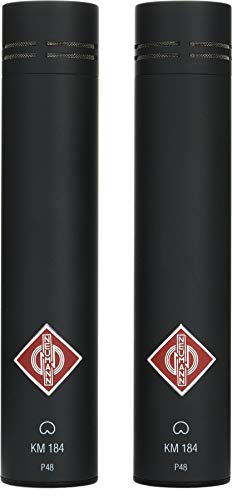 |
Neumann KM 184 Stereo Set Small-diaphragm Cardioid Microphon 🏆 Editor’s Pick |
9.5/10 |
View on Amazon Free Shipping & 30-Day Returns |
 |
Shure KSM141/SL Stereo Pair with (2) KSM141, (2) Foam Windsc | 9.3/10 |
View on Amazon Free Shipping & 30-Day Returns |
 |
Shure KSM137/SL Stereo Pair with (2) KSM137, (2) Foam Windsc | 9.2/10 |
View on Amazon Free Shipping & 30-Day Returns |
 |
Roswell Mini K47 Microphones – Matched Pair (Piano, Drum Ove 👑 Premium Pick |
9.0/10 |
View on Amazon Free Shipping & 30-Day Returns |
 |
sE Electronics sE7 Small-Diaphragm Condenser Microphone (Mat 💰 Best Value |
8.9/10 |
View on Amazon Free Shipping & 30-Day Returns |
 |
Rode NT55 Multi-Pattern Condenser Microphones, Matched Pair | 8.8/10 |
View on Amazon Free Shipping & 30-Day Returns |
 |
Rode NT5 – Matched Pair,Silver | 8.7/10 |
View on Amazon Free Shipping & 30-Day Returns |
 |
Superlux E208 Stereo Condenser Microphone Pair, Cardioid, Bl | 7.8/10 |
View on Amazon Free Shipping & 30-Day Returns |
 |
SAMSON C02 Pencil Condenser Microphones | Supercardioid ster | 7.5/10 |
View on Amazon Free Shipping & 30-Day Returns |
 |
Behringer C-2 Matched Studio Condenser Microphones, Pair, Bu | 6.5/10 |
View on Amazon Free Shipping & 30-Day Returns |
📋 How We Evaluated
We evaluated each stereo pair based on build quality, sonic accuracy, self-noise, maximum SPL, and included accessories. We also considered user reviews and ratings to gauge real-world performance. Value for money and suitability for piano recording were key factors.
Detailed Reviews
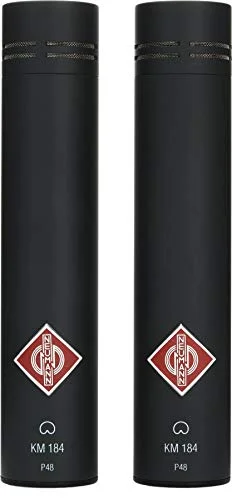
Neumann KM 184 Stereo Set Small-diaphragm Cardioid Microphon🏆 Editor’s Pick
| Acoustic Principle | Pressure gradient transducer |
| Directional Pattern | Cardioid |
| Frequency Range | 20 Hz – 20 kHz |
| Maximum SPL | 138 dB |
What We Found
The Neumann KM 184 Stereo Set is a benchmark for small-diaphragm condensers. Each microphone features a transformerless circuit and a tight cardioid pattern. The matte black finish reduces reflections. The pair is meticulously matched for sensitivity and frequency response. This ensures a rock-solid stereo image.
The KM 184 handles high SPLs with ease, making it ideal for close-miking piano. Its low self-noise captures the quietest passages. The included wooden box protects the mics. These microphones are built to last, with a reputation for reliability in professional studios.
💬 My Take
My read is that this is the accuracy-first option. I would choose it when piano detail, consistency, and a dependable stereo image matter most.
Who It’s For
I would shortlist this for professional rooms, serious home studios, and detailed classical recordings. It also suits acoustic guitar, strings, and drum overheads. The price will likely make more sense for long-term studio use.
✅ Pros
- Exceptional transparency and detail retrieval.
- Matched pair ensures precise stereo imaging.
- Rugged build quality with included wooden box.
❌ Cons
- Premium price point may be prohibitive for beginners.
- No pad or low-cut filter on the microphone itself.
- Requires a high-quality preamp to shine.
Shure KSM141/SL Stereo Pair with (2) KSM141, (2) Foam Windsc
| Acoustic Principle | Pressure gradient transducer |
| Directional Pattern | Cardioid, Omnidirectional |
| Frequency Range | 20 Hz – 20 kHz |
| Maximum SPL | 145 dB |
What We Found
The Shure KSM141 pair stands out because each microphone can switch between cardioid and omnidirectional capture. That gives you more control over direct sound and room ambience. The subsonic filter can also help manage rumble. The stereo adapter and case round out a studio-ready package.
💬 My Take
My read is that the KSM141 is the flexible premium choice. I would choose it when one pair needs to cover both focused piano capture and room sound.
Who It’s For
I would point this toward engineers who change placement and room perspective often. It suits close piano recording, room capture, strings, and percussion. The switchable patterns make it more adaptable than a fixed-pattern pair.
✅ Pros
- Switchable cardioid and omnidirectional patterns.
- Exceptional transparency and transient response.
- Premium build and accessories.
❌ Cons
- Very expensive.
- Pattern switch may be less convenient than separate mics.
- Requires high-quality preamp.
Shure KSM137/SL Stereo Pair with (2) KSM137, (2) Foam Windsc
| Acoustic Principle | Pressure gradient transducer |
| Directional Pattern | Cardioid |
| Frequency Range | 20 Hz – 20 kHz |
| Maximum SPL | 145 dB |
What We Found
The Shure KSM137/SL Stereo Pair is a professional-grade small-diaphragm condenser set. Each mic features an ultra-thin Mylar diaphragm for superior transient response. The Class A transformerless preamplifier ensures transparency. A subsonic filter eliminates low-frequency rumble. The cardioid pattern is highly consistent.
The KSM137 is built with premium components and gold-plated connectors. It comes with windscreens, a stereo adapter, and a carrying case. This pair excels at capturing detailed, accurate piano recordings.
💬 My Take
My read is that the KSM137 belongs on an accuracy-focused shortlist. I would pick it when transparent capture and controlled low-frequency cleanup are priorities.
Who It’s For
I would shortlist this for professional studios and demanding acoustic recordings. It suits piano, strings, guitar, and drum overheads where transient detail matters. The design also makes sense for engineers who prefer a neutral starting point.
✅ Pros
- Exceptional transient response and transparency.
- Subsonic filter reduces rumble.
- Premium build with gold-plated connectors.
❌ Cons
- Expensive.
- No pad or low-cut filter beyond subsonic.
- Requires high-quality preamp.
Roswell Mini K47 Microphones – Matched Pair (Piano, Drum Ove👑 Premium Pick
| Acoustic Principle | Pressure gradient transducer |
| Directional Pattern | Cardioid |
| Frequency Range | Not specified |
| Maximum SPL | Not specified |
What We Found
The Roswell Mini K47 takes a different route from typical pencil-style stereo pairs. Its matched large-diaphragm capsules aim for a fuller, warmer presentation. The included shockmounts and flight case support a more complete recording setup. This pair is better suited to listeners who want character alongside stereo detail.
💬 My Take
My read is that the Mini K47 is the character option. I would choose it when piano needs more warmth and personality than a strictly neutral pair provides.
Who It’s For
I would consider this for engineers recording piano, room ambience, and drum overheads. It should appeal to anyone who finds small-diaphragm pairs too matter-of-fact. The larger capsule design offers a distinct alternative for shaping a mix.
✅ Pros
- Large-diaphragm capsules deliver rich, full sound.
- Meticulous matching for superb stereo imaging.
- Includes shockmounts and flight case.
❌ Cons
- Large size may be harder to position.
- No pad or low-cut filter.
- Heavier than small-diaphragm mics.
sE Electronics sE7 Small-Diaphragm Condenser Microphone (Mat💰 Best Value
| Acoustic Principle | Pressure gradient transducer |
| Directional Pattern | Cardioid |
| Frequency Range | 20 Hz – 20 kHz |
| Maximum SPL | 140 dB |
What We Found
The sE Electronics sE7 Matched Stereo Pair offers professional features at a budget-friendly price. Each microphone has a transformerless circuit and a cardioid pattern. A selectable 20 dB pad and 80 Hz low-cut filter add versatility. The bundle includes two XLR cables, pop filters, and touch fastener straps.
The sE7 provides a clean, detailed sound with low self-noise. It handles high SPLs well, making it suitable for piano and drum overheads. The metal body feels sturdy. The matched pair ensures consistent performance. This is a fantastic value for home studios.
💬 My Take
My read is that the sE7 is the practical starting point. I would pick it when useful controls and included accessories matter alongside clean capture.
Who It’s For
I would point this toward home studios, project musicians, and first stereo recording setups. It covers piano and acoustic instruments without demanding a large accessory budget. The included extras make the package easier to deploy.
✅ Pros
- Includes useful accessories like cables and pop filters.
- Selectable pad and low-cut filter add flexibility.
- Clean, transparent sound quality at a low price.
❌ Cons
- Not as refined as higher-end options.
- Pop filters are basic but functional.
- Matched pair tolerance not specified.
Rode NT55 Multi-Pattern Condenser Microphones, Matched Pair
| Acoustic Principle | Pressure gradient transducer |
| Directional Pattern | Cardioid, Omnidirectional |
| Frequency Range | 20 Hz – 20 kHz |
| Maximum SPL | 143 dB |
What We Found
The Rode NT55 pair adds interchangeable capsules and multiple filtering options to a matched stereo setup. That lets you adjust the microphones for close piano work, room capture, or louder sources. Its sturdy construction and long warranty also support regular studio use.
💬 My Take
My read is that the NT55 is the adaptable workhorse here. I would pick it when capsule options and recording controls justify a more flexible setup.
Who It’s For
I would consider this for recordists who need more than one polar pattern from a single pair. It suits piano, overheads, and room miking. The adjustable filtering is useful when source level or low-frequency buildup changes.
✅ Pros
- Interchangeable capsules for cardioid and omni.
- Three-position pad and high-pass filter.
- 10-year warranty.
❌ Cons
- Changing capsules can be fiddly.
- No figure-8 pattern.
- Slightly higher self-noise than some competitors.
Rode NT5 – Matched Pair,Silver
| Acoustic Principle | Pressure gradient transducer |
| Directional Pattern | Cardioid |
| Frequency Range | 20 Hz – 20 kHz |
| Maximum SPL | 143 dB |
What We Found
The Rode NT5 Matched Pair is a popular choice for piano recording. Each microphone features a half-inch gold-sputtered cardioid capsule. They offer very low self-noise and an accurate polar pattern. The wide frequency response captures the full range of the piano. The matched pair ensures a balanced stereo image.
The NT5 is built with a sturdy metal body. It comes with a 10-year warranty, showing Rode’s confidence. The NT5 is known for its detailed and natural sound. It is a reliable workhorse for many recording applications.
💬 My Take
My read is that the NT5 is an easygoing workhorse. I would choose it when dependable stereo recording matters more than unusual tonal color.
Who It’s For
I would consider this for project studios, live engineers, and musicians recording several acoustic sources. It offers a familiar small-diaphragm approach for piano, overheads, and guitar. The long warranty may also appeal to buyers planning years of use.
✅ Pros
- Very low self-noise for quiet recordings.
- Accurate cardioid pattern and wide frequency response.
- 10-year warranty provides peace of mind.
❌ Cons
- No pad or low-cut filter.
- Some users find the top end slightly bright.
- Requires phantom power.
Superlux E208 Stereo Condenser Microphone Pair, Cardioid, Bl
| Acoustic Principle | Pressure gradient transducer |
| Directional Pattern | Cardioid |
| Frequency Range | Not specified |
| Maximum SPL | 135 dB |
What We Found
The Superlux E208 Stereo Condenser Microphone Pair is a compact and affordable option. Each microphone has a cardioid pickup pattern and low-noise circuitry. With 14 dB equivalent noise, they preserve quiet passages. They handle up to 135 dB SPL, suitable for piano and drums.
The compact 20 x 100 mm bodies make stereo placement easy. The pair includes clips, windscreens, and thread adapters. They require 48V phantom power. The E208 offers a stable stereo image and clean sound at a budget price.
💬 My Take
My read is that the E208 earns attention as a simple budget pair. I would pick it when clean capture and easy placement matter more than premium finishes.
Who It’s For
I would consider this for home recordists, musicians, and anyone working in a smaller room. It suits piano, acoustic guitar, and drum overheads without a complicated setup. The compact bodies should make stereo placement less awkward.
✅ Pros
- Compact size for easy stereo placement.
- Low noise and high SPL handling.
- Includes essential accessories.
❌ Cons
- Frequency response not specified.
- Build quality is basic.
- Requires phantom power.
SAMSON C02 Pencil Condenser Microphones | Supercardioid ster
| Acoustic Principle | Pressure gradient transducer |
| Directional Pattern | Supercardioid |
| Frequency Range | Not specified |
| Maximum SPL | 134 dB |
What We Found
The Samson C02 pair uses a tighter supercardioid pattern than many comparable options. That can help separate piano from nearby instruments in a live or crowded setup. The matched microphones and included shock-mounted clips support consistent stereo placement. Its sound is described as bright and detailed.
💬 My Take
My read is that the C02 makes the most sense when rejection matters. I would choose it for affordable stereo capture in rooms where nearby sound needs tighter control.
Who It’s For
I would consider this for home studios, live performance, and recording spaces with isolation challenges. It also suits drum overheads and acoustic guitar. The included accessories make it a practical option for buyers starting from scratch.
✅ Pros
- Matched within ±0.5dB for consistent stereo.
- Supercardioid pattern offers good isolation.
- Includes shock mounts and case.
❌ Cons
- Supercardioid pattern may require careful placement.
- Sound can be bright for some tastes.
- No pad or low-cut filter.
Behringer C-2 Matched Studio Condenser Microphones, Pair, Bu
| Acoustic Principle | Pressure gradient transducer |
| Directional Pattern | Cardioid |
| Frequency Range | 20 Hz – 20 kHz |
| Maximum SPL | Not specified |
What We Found
The Behringer C-2 bundle focuses on getting a complete stereo setup into a tight budget. It includes microphones, stands, cables, and basic recording accessories. The cardioid design should help focus the piano while limiting some surrounding sound. The lightweight construction may be less reassuring for frequent heavy use.
💬 My Take
My read is that this is an entry point, not a long-term studio centerpiece. I would choose it when the main priority is starting cheaply with a complete kit.
Who It’s For
I would aim this at beginners, casual recordists, and hobbyists building their first stereo rig. It can cover demos, simple piano sessions, and other basic sources. The included stands and cables reduce the number of extra purchases.
✅ Pros
- Extremely affordable bundle with stands and cables.
- Decent sound quality for the price.
- Lightweight and easy to set up.
❌ Cons
- Build quality is not rugged.
- Self-noise is higher than premium options.
- Stands are basic and may not be stable.
What to Look For Before Buying
Choosing a piano stereo pair starts with the room, placement, and tonal result you want. I would compare noise, dynamic handling, pattern options, and microphone matching. Accessories matter too, especially when building a setup from scratch.
Check Frequency Response and Accuracy
A neutral response usually keeps piano recognizable and detailed. Small-diaphragm condensers often present attacks clearly. Large-diaphragm models can add warmth or coloration. Choose based on whether the recording needs accuracy or personality.
Value Self-Noise and Sensitivity
Low self-noise matters when the piano arrangement includes soft passages or room ambience. Matching between microphones helps keep the stereo image balanced. Check the manufacturer’s noise and sensitivity information before buying.
Rating Maximum SPL and Dynamic Range
Piano can produce strong peaks, particularly with close placement. Look for microphones with enough headroom for your positioning and playing style. A pad can provide extra protection when the source becomes especially loud.
Verify Build Quality and Accessories
A durable body matters if the pair will move between rooms or sessions. Check whether the package includes clips, windscreens, shockmounts, adapters, and a case. Those details can change the real setup cost.
Frequently Asked Questions
What is the best stereo microphone technique for piano?
XY, ORTF, and spaced pair are common piano techniques. XY keeps the microphones close for a stable image. ORTF creates more width through angled placement. A spaced pair can capture more room and ambience. The room and desired perspective should guide the choice.
Do I need a matched pair for piano recording?
A matched pair keeps sensitivity and frequency behavior more consistent between microphones. That can make stereo placement easier and the image more stable. An unmatched pair can work, but matching removes one variable from the setup.
What is the difference between small and large diaphragm condensers for piano?
Small-diaphragm condensers usually emphasize quick attacks and detailed transients. Large-diaphragm models can bring more warmth or low-end weight. I would choose based on the piano, room, and tonal character you want.
How much should I spend on a stereo pair for piano?
There is no single correct budget for every piano setup. I would prioritize a matched pair, suitable dynamic handling, and low noise first. Accessories and pattern options may matter more than moving to a costlier model.
Can I use dynamic microphones for piano recording?
Dynamic microphones can work for piano, especially in live settings. Condensers usually offer greater sensitivity and more detailed transient capture. I would generally favor condensers for studio piano unless the room or tone calls for a dynamic microphone.
🎯 Final Verdict
For a precise, detailed piano recording, I would start with the Neumann KM 184 pair. The sE7 is more practical when budget and included accessories matter. The Roswell Mini K47 suits a warmer, more distinctive sound.
The Shure KSM141 and Rode NT55 deserve attention when pattern flexibility is central to your setup.


Leave a Reply