
You wear headphones for hours every day, and now you’re finding more strands in the sink or on your pillow. The worry that your headset is causing baldness is a common one. The short answer: headphones themselves don’t cause the kind of hair loss that leads to baldness.
But the friction, pressure, and tension they create can damage hair and worsen shedding. This article explains what headphones actually do to your hair, when to worry, and which products help protect it.
What Headphones Actually Do To Your Hair
Before blaming your headphones for baldness, it helps to understand what they can and cannot do to your hair. The mechanisms are mechanical, not hormonal, and that distinction matters for your next steps.
Headphones sit on your head for hours, and that constant contact creates friction. Over-ear pads press against the same patch of hair day after day. On-ear models clamp tighter and rub more. The result is mechanical wear: cuticle damage, split ends, and breakage near the temples or crown.
This is not the same as androgenetic alopecia, the genetic condition that causes true baldness. Headphones cannot trigger that. What they can do is accelerate breakage in hair that is already fragile. If you notice short broken strands rather than full-length shedding, friction is the likely culprit.
The fix is reducing pressure and friction, not abandoning audio altogether.
Headphone Types And Their Hair Impact
| Headphone Type | Pressure Point | Main Hair Risk |
|---|---|---|
| Over-ear | Temples, crown | Friction breakage over time |
| On-ear | Side of head | Tension and pulling at roots |
| In-ear | Ear canal only | Minimal hair contact |
| Sleep mask headphones | Forehead, sides | Strap snagging if poorly fitted |
- You see short, broken strands near the temples or crown.
- Your scalp feels tender or sore after long listening sessions.
- Hair looks flattened or dented where the headband sits.
- You notice more shedding on days you wear headphones longer.
- The headband leaves a visible groove that does not bounce back.
When Hair Loss Is Not About Your Headphones
If you are losing hair in a pattern that looks like true baldness, headphones are probably not the cause. Several other factors drive that kind of loss, and they deserve a closer look.
Androgenetic Alopecia
This is the most common cause of baldness, and it is genetic. It shows up as a receding hairline or thinning at the crown. Headphones do not cause it, and no headphone will make it worse in a meaningful way.
If your family has a history of pattern baldness, that is the more likely driver. Treatments like minoxidil or finasteride target this mechanism, not friction. A dermatologist can confirm whether genetics are at play.
Hormonal Shifts
Thyroid issues, PCOS, and menopause can all trigger shedding. This type of loss is usually diffuse rather than patchy. It often shows up weeks after the hormonal change begins. Blood tests can rule these out.
If your shedding started around the same time as a hormonal shift, headphones are a red herring. Focus on the medical cause first, then address hair protection as a secondary step.
Traction alopecia is another possibility, and it is worth understanding because it sits between headphone damage and true baldness. This condition comes from prolonged tension on the hair roots, usually from tight hairstyles. If you wear headphones over a tight ponytail or bun, you are combining two sources of tension.
Over time, that can scar the follicle and cause permanent loss in that area. The good news is that early traction alopecia reverses when you remove the tension. Loosen your hairstyle under headphones, and switch to gentler ties.
If the area still feels tender after a few weeks, see a dermatologist.
Gear That Protects Hair While You Listen
If headphones are part of your daily routine, the right accessories can reduce friction and tension on your hair. These picks range from sleep-friendly headphone masks to gentle hair ties and protective caps. Each one addresses a specific way listening habits can stress your strands.
None of them treat genetic baldness, but they can help you keep the hair you have.
|
1
|
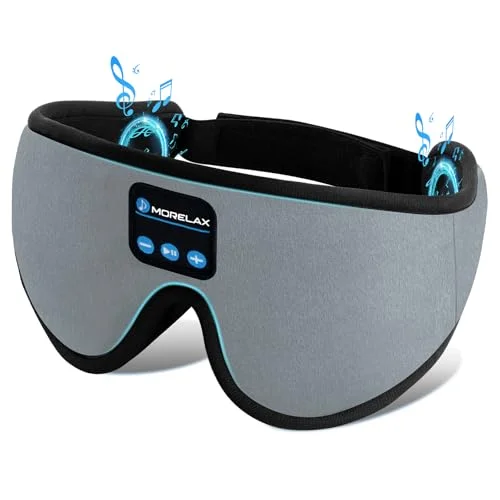
Sleep Mask with Bluetooth Headphones,3D Sleep Mask Wireless Music Eye Mask for Side/Supine |

It moves speakers off your ears and onto a soft mask, cutting headband friction on hair.
This Morelax sleep mask combines a 3D contoured eye mask with Bluetooth 5. 2 speakers built into the sides. Instead of a rigid headband pressing on your crown, the adjustable strap sits lightly and the mask fabric glides over hair.
The memory foam and soft fabric reduce the kind of pressure that causes breakage near the temples. With 12 hours of playtime, it covers a full night of listening without needing a recharge.
Side sleepers will appreciate the deeper eye contours and the fact that the strap does not dig into the hairline. It is also a good option for travel, meditation, or naps where you want audio without clamping your head.
The main limitation is sound quality: the slim speakers deliver decent stereo but not the bass or isolation of dedicated over-ear headphones. If you need serious audio fidelity, this is a sleep aid first.
|
2
|
Moxquju Headphones and Music Icons (1) Print Chemo Headwear for Women Pre-Tied Head Scarve |

It covers the scalp with soft stretch fabric, protecting sensitive areas where headphones might rub.
This Moxquju pre-tied chemo headwear is made from a 95% polyester and 5% spandex blend that stretches gently over the head. It provides full coverage, which helps protect a sensitive scalp from friction and rubbing. The pre-tied elastic design fits most head sizes from about 21. 3 to 24.
4 inches. For anyone dealing with hair loss, it offers a comfortable layer between your scalp and anything you place on your head, including headphones.
The wrinkled texture adds volume and can be worn alone or under a wig. It works well for sleep, daily errands, or outdoor use. The limitation is that it is not a medical device and will not regrow hair. It is a comfort and protection layer, not a treatment.
If you wear headphones over it, the fabric reduces direct friction, but you still want to avoid tight clamping.
|
3
|
Fuzquwu Headphones and Music Icons (2) for Women Elastic Headscarf Turban Pre-Tied Chemo C |

The pre-tied turban adds a breathable barrier between scalp and headphone pads.
This Fuzquwu elastic headscarf uses the same soft polyester-spandex blend as similar turbans, but with a pre-tied back that needs no tying skills. It fits head sizes 21. 3 to 24. 4 inches and stays put during daily activities.
The fabric is lightweight and breathable, so it does not trap heat against the scalp. If you wear headphones often, this turban can reduce the direct rubbing of pads against hair and skin.
It doubles as a sleep cap or head wrap for work and travel. The stretch means it stays comfortable without feeling tight. The honest limitation is that it is a single-layer fabric cap, so it will not cushion heavy headphone pressure. It is best for light to moderate use.
Hand wash or gentle machine wash in cold water to keep the elastic intact.
|
4
|
JEWEDECO 2pcs Cotton Rivet Beanie Punk Style Chemo Headwear for Hair Loss | Comfortable Sc |

A soft rivet beanie adds warmth and a buffer layer under headphones without tightness.
The JEWEDECO cotton rivet beanie comes in a two-pack with a punk-inspired rivet design. The material is soft and stretchy, providing enough warmth for colder days while staying comfortable against the scalp. It works as a sleep cap or casual beanie.
For hair loss, it conceals thinning areas and adds a protective layer. If you wear headphones in cool weather, this beanie reduces direct contact between the headband and your hair.
The baggy fit means it does not squeeze the head, which is good for circulation and comfort. It is also breathable enough for light exercise like walking or hiking. The limitation is the random color selection: you cannot choose the exact shade you receive.
Also, the rivet decoration may not suit every style. If you want a simple protective layer with a bit of edge, this works.
|
5
|
High Elastic Women Girl Dog Coil Scrunchies for Party | Cute Headphones Dog, Anti-Breakage |

Satin scrunchies hold hair without tight pulling, reducing tension under headphone bands.
These high-elastic scrunchies are made from 86% polyester and 14% spandex with a smooth satin finish. The fabric glides over hair rather than snagging it, which helps prevent breakage and ponytail bumps. The rubber band inside is durable and stretchable, so it holds hair securely without leaving a deep dent.
If you tie your hair back before putting on headphones, this scrunchie reduces the combined tension on your roots.
They work for buns, ponytails, braids, or pigtails, and the cute dog and headphone print adds a fun touch. They also double as wrist accessories. The limitation is that they are not a treatment for hair loss; they simply minimize mechanical damage.
For thick or heavy hair, you may need to double up for a secure hold. Still, they are a gentle upgrade over standard elastic bands.
|
6
|
Cotton Wide-Brimmed Elastic Hair Net Cap, Breathable Prevent Loss |

A wide cotton hair net keeps hair contained and clean under headphones or during chores.
This cotton wide-brimmed elastic hair net cap is a lightweight, breathable option for keeping hair contained. The cotton material is soft and the elastic band holds it in place without being too tight. It can be used as a sleep cap, a sanitary hat, or a chemo cap.
If you want to protect your hair from friction and dust while wearing headphones, this net adds a thin barrier that reduces direct contact.
It is small and easy to carry, so you can take it to the gym or on trips. The breathable cotton prevents heat buildup, which is a plus for long listening sessions. The honest limitation is that it is not a stylish everyday piece; it looks utilitarian.
Also, the elastic may loosen over time with heavy use. It is best for practical protection rather than fashion.
|
7
|
Stretchy Women Girls Monkey Spiral Scrunchies for Sports | Monkey Headphones, Strong Hold |

Spiral scrunchies distribute pressure evenly, so headphone bands do not dig into tied hair.
These stretchy monkey spiral scrunchies use the same satin polyester-spandex blend as standard scrunchies but with a spiral design. The spiral shape grips hair with less concentrated pressure, which helps prevent breakage and tension. They are strong enough for sports and hold a ponytail securely.
If you wear headphones over a ponytail, the even distribution reduces the risk of traction alopecia at the tie point.
They fit most hair types and can be worn as bracelets when not in use. The gentle hold makes them a good choice for delicate or thinning hair. The limitation is that they may not hold very thick, heavy hair as firmly as a traditional elastic.
You might need to adjust them during intense activity. For everyday listening and light exercise, they are a hair-friendly option.
|
8
|
Cotton Wide-Brimmed Elastic Hair Net Cap for Daily Use and Beauty Spa | Breathable Lightwe |

This white cotton cap provides a clean, breathable layer that reduces friction from headphone pads.
This Cotton Wide-Brimmed Elastic Hair Net Cap comes in white and is made from durable cotton. The wide brim and elastic band create a secure but gentle fit. It is designed for daily use, beauty spa treatments, or as a chemo cap.
If you wear headphones for long periods, this cap adds a soft barrier between the pads and your hair, cutting down on friction and keeping hair clean from product buildup.
The lightweight design makes it easy to carry, and the breathable cotton prevents overheating. It is also useful for home tasks like cleaning or cooking. The limitation is that it is not a fashion statement; it is purely functional.
The white color shows stains easily, so you may need to wash it often. For practical hair protection during headphone use, it does the job.
|
9
|
LOMADIA African American Blackout Curtain, Black Girl Window Treatments Curtains for Kids |

These blackout curtains darken the room for better sleep, supporting overall hair health.
The LOMADIA African American Blackout Curtain features a purple afro hair with headphone design. Each package includes two panels measuring 26 by 84 inches, covering 52 by 84 inches total. The 3-inch rod pocket fits standard rods.
These curtains block 70 to 80 percent of sunlight and UV rays, creating a darker sleep environment. Since poor sleep can worsen stress-related shedding, a darker room supports better rest and healthier hair over time.
They also provide thermal insulation, helping maintain room temperature and protect furniture from sun fade. The stylish design adds a cozy touch to bedrooms or nurseries. The limitation is that they are not a hair treatment; they simply improve sleep conditions.
Also, they block most but not all light, so they are not true blackout. If you want a darker room for rest, they are a solid choice.
|
10
|
Anti-lost Hearing Aid Hanging Strap ABS with Black Clip | Loss Prevention Tether, for Hair |

This anti-lost strap keeps hearing aids secure, preventing the panic and hair pulling that comes with losing them.
The Anti-lost Hearing Aid Hanging Strap is an ABS clip with a black tether designed to keep hearing aids attached to hair or clothing. It is suitable for elderly users who want to prevent losing their devices.
The strap clips to a hair clip or braid, so if the hearing aid slips out, it does not fall to the ground. This reduces the frantic searching and hair pulling that can happen when a device goes missing.
The material is durable and the design is simple. It can also be used during gardening or household chores. The limitation is that it is specifically for hearing aids, not headphones. If you use hearing aids alongside headphones, this strap adds a layer of security.
It is a practical accessory for anyone prone to losing small devices, but it will not address hair loss directly.
None of these products will reverse genetic baldness, and none of them need to. They reduce the friction, tension, and pressure that make hair break and shed faster. A sleep mask with speakers, a gentle scrunchie, or a soft cap can all lower the mechanical stress on your strands.
Pick the one that fits your daily listening habits, and pair it with looser hairstyles.
How To Wear Headphones Without Wrecking Your Hair
Even with protective gear, your habits matter more than any single product. These practical rules help you keep your hair intact while you listen, work, or sleep.
Loosen your hairstyle before putting on headphones. Avoid tight ponytails or buns that pull at the roots.
Take a five-minute break every hour. Lift the headphones off and let your scalp and hair recover from pressure.
Clean your headphone pads regularly. Oils and product buildup can transfer to hair and cause tangles.
Switch to in-ear buds or a sleep mask for long sessions. They reduce contact with hair on the crown and temples.
Rotate your headphone position slightly. Moving the band a few millimeters prevents constant pressure on one spot.
- Wearing headphones over a tight bun or braid for hours compounds tension on the roots.
- Ignoring scalp tenderness. If it hurts, the pressure is too high and damage is accumulating.
- Using harsh elastic bands under headphones. They snag and break strands at the tie point.
- Sleeping in tight headphones every night. Overnight friction is constant and unforgiving.
- Skipping washes. Dirty hair creates more friction and tangles under headphone pads.
When To See A Doctor About Hair Loss
Headphone friction rarely causes true baldness, but some shedding patterns need medical attention. Knowing when to stop self-treating and see a professional can save your hair.
If your hair loss looks like a receding hairline, a widening part, or a thinning crown, that pattern points to genetics or hormones, not headphones. A dermatologist can diagnose androgenetic alopecia or traction alopecia with a scalp exam. Early treatment makes a big difference for both conditions.
You should also see a doctor if you notice patchy bald spots, sudden diffuse shedding, or scalp pain that does not go away. These can signal thyroid issues, alopecia areata, or nutritional deficiencies. Do not wait months hoping a new headphone will fix it.
A simple blood test or scalp biopsy can give you answers quickly.
Shedding Patterns And What They Suggest
| Pattern | Likely Cause | Next Step |
|---|---|---|
| Short broken strands near temples | Friction from headphones | Reduce pressure, use protective cap |
| Receding hairline or thinning crown | Genetics (androgenetic) | See dermatologist for treatment options |
| Tender, sore scalp after listening | Tension or traction | Loosen hairstyle, take breaks |
| Diffuse shedding all over | Hormonal or nutritional | Blood test with doctor |
| Patchy smooth bald spots | Alopecia areata | Dermatologist evaluation |
Protecting Hair During Sleep And Long Sessions
Sleep is when your hair should recover, but headphones and friction can sabotage that. These nighttime and long-session tips help you protect your strands while you rest or work.
If you listen to audio as you fall asleep, the headphones stay on your head for hours. That is a lot of friction. A sleep mask with built-in speakers is a better choice than over-ear headphones because the fabric is soft and the strap is adjustable.
You can also use a silk or satin pillowcase to reduce friction where your head rests. For long work sessions, switch to a headset that sits lightly or use earbuds instead of a clamping band.
The goal is to minimize the number of hours your hair spends pressed under a tight band. Small changes in your setup add up over weeks and months.
- Choose a sleep mask with speakers over traditional headphones for overnight listening.
- Use a satin or silk pillowcase to reduce friction where your head rests.
- Loosely braid long hair before sleep to prevent tangles and pulling.
- Avoid tight hair ties overnight; use a soft scrunchie or leave hair loose.
- Keep the volume low so you do not need to press the speakers against your ears.
No, wearing headphones does not cause the genetic baldness that leads to a receding hairline or thinning crown. What headphones can do is damage hair through friction and tension, which is a different problem with a different fix.
Start today by loosening your hairstyle before you put on headphones and taking a short break every hour. If you listen in bed, try a sleep mask with speakers instead of a tight band. If your shedding looks like true pattern baldness, see a dermatologist.
Protect the hair you have while you get the real cause checked.

Leave a Reply