
That sharp ache in your ears during descent isn’t just a nuisance; it’s physics. Cabin altitude changes faster than your Eustachian tubes can equalize pressure, leaving many travelers wondering if standard headphones will help or if they need specialized gear. The answer depends entirely on the device.
While regular audio headphones block noise, they ignore pressure. Filtered earplugs, however, actively regulate airflow to protect your eardrums. Here is how airplane pressure affects your ears and nine specific devices that address the problem.
Why Your Ears Ache During Takeoff And Landing
Understanding why flight-related ear pain happens clarifies why some devices work better than others. The issue stems from rapid altitude shifts inside the cabin, forcing your ears to adapt quickly to changing air density.
Airplane cabins maintain pressure equivalent to 6,000-8,000 feet above sea level. During rapid climbs or descents, external pressure changes faster than the air trapped in your middle ear. Your Eustachian tubes must open to balance this difference.
If they are narrow, inflamed, or slow to react, your eardrum stretches painfully, causing the dull ache or popping many dread. Standard over-ear headphones seal around the ear but don’t filter air into the canal; they only mask engine roar.
To prevent physical eardrum stretching, you need a device with a specialized micro-filter that slows the rate of pressure change entering the ear.
How Different Devices Handle Cabin Altitude Shifts
| Device Type | Pressure Regulation | Noise Reduction |
|---|---|---|
Devices That Actually Relieve Ear Pressure In Flight
Not every headphone or earplug tackles the root cause of in-flight ear pain. The options below either use specialized filters to equalize cabin pressure or provide heavy noise isolation for comfort, targeting specific needs from adult frequent flyers to toddlers flying for the first time.
|
1
|
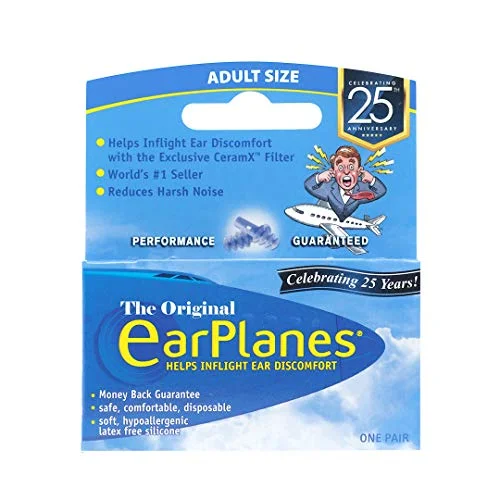
Original Adult EarPlanes by Cirrus Healthcare Earplugs Airplane Travel Ear Protection (1 P |
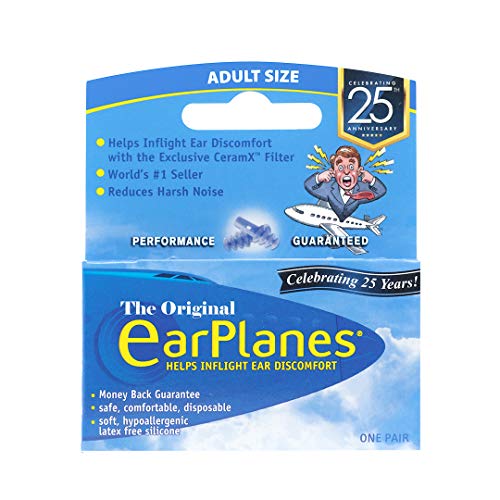
Its CeramX filter directly regulates cabin pressure changes to stop eardrum stretching during ascent and descent.
The Original Adult EarPlanes by Cirrus Healthcare uses a patented CeramX ceramic filter to manage airflow into the ear canal. Unlike standard foam plugs that trap air, these latex-free silicone earplugs slow down pressure shifts during takeoff and landing. U. S.
Navy pilots have tested them, and doctors often recommend them for reliable relief. A companion EarPlanes+ app even provides real-time cabin pressure alerts so you know exactly when to insert them for maximum effectiveness against flight-related ear pain.
These single-use style plugs fit securely without causing irritation, making them ideal for adults with sensitive skin or allergies. They work best when inserted before the cabin doors close and removed after reaching cruising altitude.
One limitation is their lifespan; they are generally designed for one round-trip flight rather than long-term reuse. For occasional vacationers who want proven, expert-tested pressure regulation without buying expensive electronics, they remain a highly practical choice.
|
2
|
Alpine FlyFit | Airplane Ear Plugs for Flying Pressure Regulation | Travel essentials | Co |

Alpine FlyFit uses a valve-like filter to equalize pressure naturally, preventing pain across up to 100 flights.
Alpine FlyFit earplugs tackle airplane pressure using a specialized acoustic filter that acts like a tiny valve for your ear canal. Made from AlpineThermoShape material, they warm up and mold to the unique shape of your ear for a custom fit.
They carry a 17dB SNR rating, reducing engine drone while still letting you hear flight attendant announcements clearly. Backed by 25 years of Dutch research and development, these reusable plugs offer certified protection under both US and EU regulations.
Because they contain no silicone, they suit travelers prone to allergic reactions or skin irritation from standard plugs. The hypoallergenic build allows comfortable wear alongside a neck pillow, letting you sleep through turbulence without dislodging them. A single pair lasts for up to 100 flights, offering strong long-term value.
However, the 17dB noise reduction is lower than some competitors, meaning loud crying babies might still bleed through the filter during long-haul journeys.
|
3
|
Softvox Ear Plugs for Airplane Pressure Relief & Prevent Ear Pain – Flying Travel Essentia |

Softvox combines a 25dB noise filter with pressure-regulating technology specifically sized for smaller adult and teen ear canals.
Softvox Ear Plugs for Airplane Pressure Relief target travelers with smaller ear canals who struggle with bulky standard plugs. These reusable silicone earbuds feature a dual-flange design that creates a gentle seal without pushing uncomfortably deep into the ear.
They deliver a solid 25dB noise reduction to quiet jet engines while utilizing built-in filters to regulate rapid pressure changes during takeoff and landing. The included carrying case features a carabiner, clipping easily onto a backpack or keychain for quick access at the gate.
This design works exceptionally well for teens aged 12 and older or adults who find regular earplugs painful after an hour. You can still hear conversations and overhead announcements despite the significant noise dampening.
The primary drawback is the fit; travelers with larger ear canals may find the dual flanges too small to form a complete seal, which compromises both the noise reduction and the pressure equalization benefits during steep descents.
|
4
|
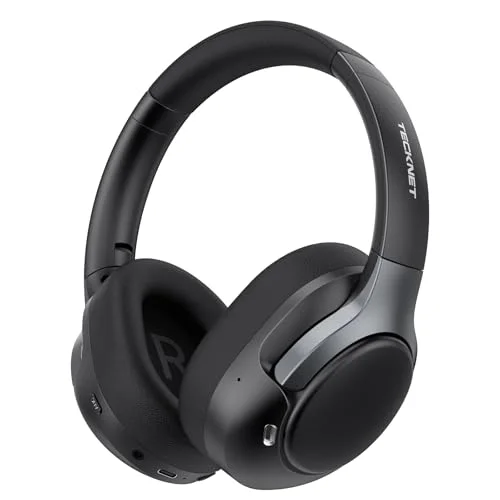
YMOO Active Noise Cancelling Headphones for Airplane Travel | LDAC Hi-Res Audio, Wired Wir |

YMOO ANC headphones block 90% of engine noise, though they rely on passive sealing rather than active pressure filtration.
The YMOO Y7Pro Active Noise Cancelling Headphones approach in-flight comfort differently than earplugs. Instead of filtering air pressure directly, they use four ANC microphones and a digital algorithm to eliminate up to 90% of low-frequency aircraft engine noise. Featuring Bluetooth 6.
0, LDAC Hi-Res audio, and 40mm dynamic drivers, they deliver premium sound quality. The massive 850mAh battery provides up to 100 hours of playtime, ensuring they survive the longest international routes without needing a charge.
These over-ear headphones suit travelers who prioritize blocking out cabin noise and enjoying high-fidelity music over direct pressure equalization. The AI voice interaction and real-time translation in 103 languages add utility for international business trips. However, it is crucial to note that ANC headphones do not contain barometric filters.
They reduce the stress of loud environments, but passengers with severe Eustachian tube dysfunction will still need to yawn, swallow, or use dedicated pressure-relief plugs underneath them.
|
5
|
Softvox Airplane Ear Plugs Pressure Relief Earplugs 2 Pairs, Reusable | Prevent Ear Pain T |

This two-pack Softvox set ensures you always have a backup pressure-regulating plug ready for connecting flights or lost gear.
Having two identical pairs means you can keep one in your carry-on and another attached to your personal item or jacket. They fit teens and adults with smaller ears comfortably, allowing clear hearing of flight attendants despite the noise dampening.
The main limitation remains the same as other small-canal designs: users with wider ear canals might experience a loose fit, which defeats the purpose of the pressure-regulating seal during rapid altitude drops.
|
6
|
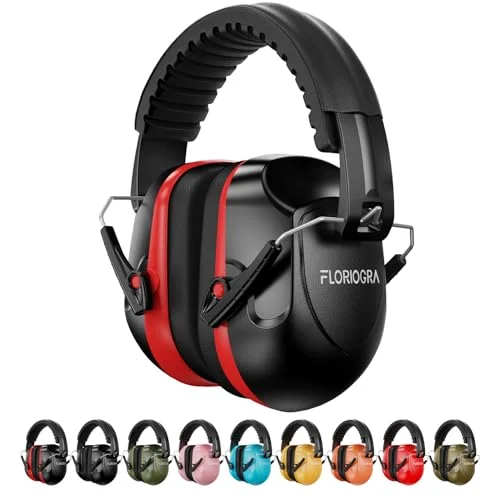
ProCase Noise Cancelling Headphones for Kids/Toddlers SNR 27dB Ear Muffs | Hearing Protect |

ProCase earmuffs protect young children and toddlers from sensory overload and loud engine noise during stressful family flights.
The adjustable telescopic headband stretches up to 32mm on each side, accommodating growing heads without requiring a new purchase every year. The 360-degree rotatable cups and holeless pivots prevent hair from getting snagged during removal.
Parents should note that these earmuffs sit tightly out of the box to ensure a proper acoustic seal; placing them over a box for a day loosens the band. Because they cover the outer ear completely, they do not enter the canal to regulate pressure directly.
|
7
|
Softvox Airplane Ear Pressure Relief Ear Plugs, Travel Essentials, Reusable | Soft Silicon |

This single-pair Softvox option delivers targeted 25dB noise reduction and pressure relief for budget-conscious solo travelers.
This specific Softvox Airplane Ear Pressure Relief model offers a single pair of reusable silicone plugs optimized for small ears. It utilizes the same core technology as its multi-pack sibling, featuring a dual-flange design that gently seals the ear canal to prevent painful pressure buildup.
The built-in filter regulates air flow during takeoff and landing, while the 25dB noise reduction blocks out engine hum. A standard carrying case with a carabiner keeps the plugs accessible during boarding.
Buying a single pair makes sense for infrequent flyers who want to test filtered earplugs before committing to bulk packs. They work well for adults and teens over 12 who find standard drugstore foam plugs uncomfortable or ineffective. Users can still hear safety announcements and converse normally.
The limitation is durability; while rated for 100 uses, a single pair traveling through multiple security checks and messy carry-on bags faces a higher risk of being lost or damaged compared to having backups.
|
8
|
Flents PressureEase Earplugs for Flying, NRR 26, 1 Pair + Case, Blue | Airplane Pressure E |

Flents PressureEase plugs use a certified 26 NRR filter to gradually equalize ear canal pressure during steep altitude changes.
Flents PressureEase Earplugs bring a 26dB Noise Reduction Rating to the pressure-relief category, slightly edging out competitors that hover around 25dB. The built-in filter technology specifically slows the rate of air pressure change entering the ear canal, giving the Eustachian tubes more time to adapt naturally.
Crafted with ultra-soft flanged tips, they provide a secure fit that stays put during long flights. The bright blue color and included compact protective case make them easy to spot inside a dark backpack or purse.
These reusable plugs suit vacationers and frequent flyers alike who want a straightforward, effective solution without downloading companion apps. The durable stem allows for easy insertion and removal, even with shaky hands during turbulence. Cleaning them between trips requires only mild soap and water.
One minor drawback is the flange thickness; travelers with extremely narrow ear canals might find the soft tips slightly bulky initially, requiring a few minutes of adjustment before achieving total comfort during a cross-country flight.
|
9
|
Ear Plugs for Airplane Pressure Relief, 2 Pairs Adults Soft Silicone Reusable Airplane Ear |

A silicone connector cord links these 26dB pressure-relief plugs together, preventing loss during chaotic airport transitions.
These generic Ear Plugs for Airplane Pressure Relief come as a two-pair set made from soft, washable silicone. They feature a distinct four-layer flange design engineered to deliver 26dB of noise protection while simultaneously regulating air pressure to reduce eardrum strain.
The standout feature is the included silicone connector cord, which links the two plugs together like a necklace when not in use. A storage box and carabiner complete the kit, ensuring everything stays organized inside your carry-on luggage.
The connector cord solves the biggest frustration with small travel accessories: dropping one plug under a cramped airplane seat. The four-layer flanges provide excellent noise dampening for studying, sleeping, or riding motorcycles beyond just air travel. Being fully washable and hypoallergenic, they support sustainable, long-term use.
However, the cord can feel slightly restrictive if you prefer to sleep with your head pressed firmly against a window pillow, as the tether might pull on the opposite ear.
These nine options range from specialized pressure-filtering earplugs to heavy-duty noise-canceling headphones. The filtered plugs directly address barometric changes, while the headphones focus on acoustic comfort. Choosing between them depends on whether your primary struggle is physical ear pain or overwhelming cabin noise during your next flight.
Timing Your Insertion Before The Cabin Doors Close
Even the best pressure-regulating earplugs fail if worn at the wrong moment. Proper timing ensures the filters have enough time to equalize the air inside your ear canal before the steepest altitude changes occur.
Insert the filtered earplugs before the airplane pushes back from the gate for takeoff.
Keep them seated firmly in your ear canal until the aircraft reaches its cruising altitude.
Remove the plugs once the captain levels off and the seatbelt sign turns off.
Reinsert the plugs about thirty minutes before landing, or when the descent announcement plays.
Leave them in until the aircraft arrives at the gate and the cabin doors open fully.
Following this sequence allows the micro-filters to work gradually rather than reacting to sudden pressure spikes. Many travelers make the mistake of waiting until their ears start hurting during descent before inserting their plugs.
By that point, the Eustachian tubes have already locked up due to the vacuum effect, and the filter cannot reverse the damage quickly enough. Consistent use during both ascent and descent trains your ears to adapt smoothly.
If you fly with a cold or sinus congestion, consider pairing filtered plugs with a decongestant spray used thirty minutes prior to boarding. The combination opens the nasal passages while the plugs manage the external air speed, offering dual-layer protection against severe barotrauma.
Why Regular Audio Headphones Cannot Stop Ear Pain
It is tempting to assume that large, expensive noise-canceling headphones double as pressure-relief devices. Understanding the mechanical difference between acoustic isolation and barometric filtration prevents costly packing mistakes before your next trip.
How Over-Ear Headphones Work
Over-ear headphones use dense memory foam and synthetic leather to create a physical barrier around the ear. This barrier traps sound waves and prevents engine noise from reaching the eardrum. Active noise cancellation adds inverted sound waves to erase low-frequency hums.
However, this sealed environment does not allow air to pass through a regulated valve. The pressure inside the cup remains static while the cabin altitude shifts around you. Your Eustachian tubes still bear the full burden of equalization without any mechanical assistance from the headset.
How Filtered Earplugs Work
Filtered earplugs sit directly inside the ear canal, creating a seal against the canal walls. Embedded within the plug is a microscopic ceramic or mesh filter. This filter allows air molecules to pass through, but at a heavily restricted rate.
When the cabin pressure drops rapidly during a climb, the filter slows the expansion of air inside your middle ear. This gives your Eustachian tubes extra seconds to open naturally and balance the load.
It is a purely mechanical process that requires no batteries, software, or charging cables to function correctly.
Keeping Your Pressure Plugs Clean Between Flights
Reusable silicone earplugs accumulate earwax, bacteria, and dust inside your carry-on bag. Neglecting hygiene turns a helpful travel tool into a source of ear infections, which makes flying significantly more painful on future trips.
- Wash silicone plugs with warm water and mild antibacterial soap after every single flight.
- Never use alcohol wipes on the acoustic filters, as harsh chemicals degrade the porous membrane.
- Dry the plugs completely on a clean paper towel before returning them to their carrying case.
- Inspect the flanges for tears or stiffness before boarding, replacing them if the seal feels loose.
- Store the carrying case in a dry pocket rather than at the bottom of a damp toiletry bag.
Proper maintenance extends the usable life of a 100-flight earplug set well beyond a single vacation. Earwax buildup is the most common reason travelers report that their pressure plugs stopped working. When wax clogs the micro-filter, air can no longer pass through the valve at the regulated speed.
The plug essentially becomes a solid piece of silicone, trapping pressure painfully against the eardrum. Rinsing them immediately upon landing prevents wax from hardening inside the tiny channels. If you notice persistent muffled hearing even after cleaning, the filter membrane has likely degraded.
At that point, replacing the pair ensures your ears stay protected during the next steep descent.
Headphones alone do not help with airplane pressure unless they contain specialized barometric filters. Standard audio headsets only block noise, leaving your eardrums vulnerable to altitude changes. To actually prevent in-flight ear pain, use dedicated pressure-regulating earplugs equipped with micro-filters that slow down air movement in the ear canal.
For your next trip, buy a pair of filtered plugs and practice inserting them before you leave home. Ensuring a comfortable, snug fit while sitting on your couch eliminates fumbling in a cramped airplane seat right before takeoff.

Leave a Reply