

Headphones can cause temporary indentations in hair, especially with regular use, but they typically do not leave permanent marks. The extent of this impact varies based on hair type; for instance, curly hair is often more prone to noticeable indentations than straight hair. Generally, these marks fade quickly after removing the headphones, but there are effective strategies you can employ to minimize any potential impact on your hair.
In this guide, we’ll explore practical tips tailored to different hair types and styles, helping you make informed choices about headphone use. We’ll address common misconceptions, recommend the best headphone styles for preventing marks, and provide advice on maintaining healthy hair while enjoying your audio experiences. Whether you wear headphones daily or just occasionally, you’ll gain valuable insights to protect your hair.
The Direct Answer
Headphones can indeed cause temporary indentations in hair, particularly with frequent use, but they usually do not lead to permanent marks. These indentations result from the pressure that headphones apply to the hair and scalp while worn. Most people find that these marks fade quickly after removing the headphones, especially for those with straight hair.
The impact of headphones varies significantly depending on hair type and style. Curly and textured hair, for example, may retain more noticeable indentations compared to straight hair. While these indentations can be frustrating, they typically do not result in lasting damage. Understanding this distinction between temporary effects and potential permanent damage is essential, especially for individuals who wear headphones regularly.
How Hair Type Affects Headphone Indentations
The impact of headphones on hair isn’t uniform; it varies significantly based on hair type. Recognizing these differences can help users anticipate and manage potential indentations.
Straight Hair: This type tends to show less noticeable indentations due to its smooth texture, allowing for quick recovery after removing headphones. However, straight hair isn’t immune to pressure effects; prolonged use can still lead to temporary marks, particularly if the headphones are tight-fitting or heavy.
Wavy Hair: Wavy hair falls in between straight and curly. While it may not show indentations as prominently as curly hair, it can still be affected. The natural bends and waves might create a more pronounced indentation effect, especially if pressure is applied in specific areas. Users with wavy hair may find that taking breaks or adjusting headphone fit can help mitigate these marks.
Curly and Textured Hair: This hair type is generally the most susceptible to visible indentations. The structure of curly hair can trap the shape imparted by headphones, resulting in more pronounced and longer-lasting marks. This is due to the hair’s tendency to hold onto shapes and its less smooth surface compared to straight hair. For those with curly hair, it’s advisable to choose headphones that distribute weight evenly and consider wearing them loosely to minimize pressure.
While headphone use can lead to temporary indentations across all hair types, curly and textured hair is particularly vulnerable. By being aware of how different hair types react, you can take proactive steps to reduce the likelihood of lasting marks.
Tips for Choosing Headphones
Your choice of headphones can significantly impact whether you experience those pesky indentations in your hair. Here are some practical tips to help you find a pair that minimizes hair damage while still delivering great sound quality.
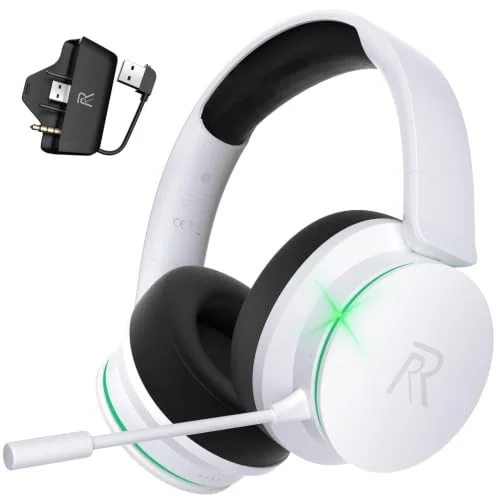
- Weight Matters: Heavier headphones can exert more pressure on your hair, leading to noticeable marks, especially if worn for extended periods. Lightweight models, such as certain on-ear or in-ear designs, are often less likely to leave indentations. If you wear headphones for long durations, opt for over-ear models that distribute weight more evenly, providing comfort without excessive pressure on any single area.
- Design Considerations: Over-ear headphones often cover the entire ear, which can enhance comfort, but ensure they fit well without squeezing too tightly. A snug fit can create more pressure on your hair, leading to indentations. In-ear headphones minimize contact with hair, making them less likely to leave marks, though they may not provide the best sound isolation for everyone.
- Adjustability: Look for headphones with adjustable headbands that allow for a customized fit, which can help reduce pressure on your hair. If you share headphones or frequently adjust your style, models with a wide range of adjustments can be beneficial.
- Material Choices: Soft padding can enhance comfort and reduce pressure points, while rigid materials might not conform as well to the shape of your head. Seek headphones with plush cushioning that gently hugs your ears without causing discomfort or leaving marks.
By keeping these tips in mind, you can select headphones that suit your listening needs while also protecting your hair from unwanted indentations.
Hair Care Tips for Headphone Users
To keep your hair healthy while frequently using headphones, consider implementing a few effective hair care practices. These strategies can help reduce any potential damage, including temporary indentations from pressure.
- Incorporate Hair Oils or Serums: Using hair oils or serums can significantly improve hair health. These products help moisturize and protect hair from drying effects caused by friction from headphones. For example, a lightweight hair serum can create a protective barrier, making it less likely for your hair to suffer from indentations. Apply a small amount to your fingers and run it through your hair, focusing on the ends where damage is more likely.
- Adopt Protective Hairstyles: Styles that secure hair away from the headphones can minimize contact and reduce the risk of marks. For instance, braids, buns, or ponytails can be effective, particularly for those with longer hair. Even a simple twist can create a buffer between your hair and the headphones, which is particularly beneficial for curly or textured hair.
- Take Breaks: Give your hair a rest from headphones during long listening sessions. Removing them periodically can help prevent prolonged pressure that leads to temporary indentations. If you wear headphones for extended periods, try to take them off every hour or so.
- Choose Comfortable Headphones: Look for models that prioritize comfort and have adjustable features. Over-ear headphones with a larger surface area can distribute weight more evenly, reducing pressure on any single point in your hair. Lightweight options are also a good choice, as they are less likely to leave noticeable marks.
By adopting these simple yet effective hair care tips, you can enjoy your audio experiences without worrying about potential damage to your hair.
FAQ: Myths and Concerns
Do headphones cause permanent damage to hair?
No, headphones typically do not cause permanent damage. While they can create temporary indentations, these marks usually fade shortly after removing the headphones.
Are certain hair types more affected by headphones?
Yes, hair type can influence how noticeable the indentations from headphones are. Curly and textured hair tends to show these indentations more prominently due to its natural volume and structure. In contrast, straight hair may not exhibit visible marks as easily.
Can wearing headphones every day lead to hair problems?
While daily headphone use can lead to temporary indentations, it is unlikely to cause significant hair issues if proper care is taken. Regular breaks, combined with good hair care practices, can help mitigate any minor effects.
Do all types of headphones affect hair the same way?
No, the design of headphones can impact how they affect hair. Over-ear headphones distribute weight over a larger area, which may reduce pressure compared to tighter on-ear models. In-ear headphones typically have minimal contact with hair, making them less likely to leave indentations.
Are there specific myths about headphones and hair health I should be aware of?
Yes, one common myth is that wearing headphones can cause hair loss. While prolonged pressure may lead to breakage or temporary indentations, there is no evidence to suggest that headphones directly cause hair loss. The fit and duration of wear are more critical factors than the materials used.
How can I prevent hair marks from headphones?
To prevent hair marks, consider the following tips:
- Choose lightweight headphones that fit comfortably without excessive pressure.
- Take breaks from wearing headphones to allow your hair to rest and recover.
- Adjust the fit of your headphones to ensure they are not too tight.
- Explore protective hairstyles that can minimize contact with the headphone band.
- Use hair products like serums or oils to keep hair healthy and less prone to damage.
By understanding these factors and taking appropriate measures, you can enjoy your headphones without significant concern for your hair health.
Final Thoughts
In summary, while headphones can cause temporary indentations in hair, these marks typically do not lead to permanent damage. The extent to which hair is affected varies based on factors like hair type and headphone design. For example, those with curly or textured hair might notice indentations more than individuals with straight hair, but even these usually fade shortly after removing the headphones.
To mitigate any potential impact, choose lightweight or over-ear headphones that distribute pressure more evenly and opt for adjustable fits to minimize discomfort. Additionally, adopting a good hair care routine, including protective hairstyles and hair products, can help maintain hair health while you enjoy your favorite audio experiences. With thoughtful choices, you can enjoy your headphones without worrying about long-term effects on your hair.
Frequently Asked Questions
1. Do headphones leave permanent marks in hair?
No, headphones typically do not leave permanent marks in hair. While they can cause temporary indentations, these usually fade quickly after removing the headphones.
2. How long do headphone marks last in hair?
The duration of headphone marks in hair varies by individual and hair type. Generally, these indentations fade within a short period, often within minutes to an hour after taking off the headphones.
3. Are certain hair types more affected by headphone marks?
Yes, hair type plays a significant role in how noticeable headphone marks can be. Curly and textured hair tends to show more pronounced indentations compared to straight hair, which usually recovers more quickly.
4. Can I prevent headphone marks in my hair?
Yes, you can take several steps to minimize headphone marks. Choosing lightweight headphones, adjusting the fit, and adopting protective hairstyles can help reduce pressure on your hair and prevent indentations.
5. Is there a specific type of headphone that is less likely to leave marks?
Over-ear headphones that distribute weight evenly and have soft padding are generally less likely to leave marks. In-ear headphones also minimize contact with hair, making them a good option for avoiding indentations.

Leave a Reply