

Yes, gaming earphones often outperform headphones for individuals prone to sweaty ears during gaming sessions. The in-ear design minimizes heat buildup and reduces contact with the outer ear, which are the primary culprits behind moisture accumulation and irritation. This guide will delve into the reasons behind this, the trade-offs involved in sound and microphone performance, and provide practical tips for selecting and maintaining your earwear.
Quick Overview
If sweaty ears are your main concern, opt for in-ear gaming earphones or sports-focused earbuds. These designs typically lessen the discomfort associated with prolonged wear compared to cushioned over-ear headphones, which can trap heat and moisture.
In the following sections, I will explain why sweat builds up with over-ear designs, compare in-ear and over-ear options in terms of comfort, sound quality, and hygiene, and provide a checklist for selecting the right earphones. I will also address common questions, such as the suitability of true wireless earbuds for competitive gaming and how IPX ratings impact your choice.
When to Choose Gaming Earphones Over Headphones
If you frequently find your ear pads damp or experience skin irritation after long gaming sessions, switching to gaming earphones is likely to bring immediate relief. In-ear devices shift the contact point to the ear canal and outer ear, significantly reducing the surface area that retains heat and moisture.
Casual gamers who prioritize rich bass and immersive sound may still lean toward over-ear headphones despite the sweat issues. However, competitive gamers, those playing in warm environments, or anyone with naturally oily skin can benefit from the comfort that earphones provide. The trade-offs regarding battery life, latency, microphone quality, and noise isolation are important, and I will break these down in subsequent sections to help you make an informed choice aligned with your gaming style.
Understanding Sweat and the Ear Microclimate
During gaming sessions, heat generated by your head combined with limited airflow creates a microclimate inside over-ear cups. This environment raises temperature and humidity, leading to sweat accumulation on ear pads and the skin beneath them.
Material choice can exacerbate this issue. Foam and leatherette pads tend to trap moisture and hinder airflow, while open-weave cloth and perforated leather offer better breathability but often compromise passive noise isolation. The friction between sweaty pads and skin can lead to itchiness, slippage, or even skin irritation. Gamers who wear headsets for prolonged periods without breaks are particularly affected, as moisture builds up and evaporates slowly.
Comparing Sound, Microphone Quality, Isolation, and Comfort
In-ear gaming earphones and over-ear headphones offer distinct advantages and disadvantages. Earphones generally excel in ventilation and minimizing moisture contact, which enhances comfort during extended gaming sessions in warm conditions.
Closed-back over-ear headsets provide superior passive noise isolation and typically deliver a wider bass response for immersive experiences in single-player games. Open-back headphones create a natural soundstage that many prefer for competitive audio cues and music, but they are often not suitable for noisy environments. Microphone quality also varies; many over-ear gaming headsets feature boom mics designed for voice clarity in multiplayer settings, while earphones may rely on inline mics that can be of lower quality.
A balanced decision depends on your priorities. If hygiene and comfort during long sessions are paramount, earphones are the way to go. If immersion, positional audio fidelity, or a robust boom mic are more important, you may want to stick with over-ear headsets and implement strategies to manage sweat.
Quick Comparison
| Name | Price / Key Spec | Best For |
|---|---|---|
| In-ear gaming earphones | Budget-Premium; wired or wireless; foam or silicone tips; often lightweight | Players needing ventilation and minimal ear-sweat contact |
| True wireless earbuds (sports-tuned) | Budget-Premium; common IPX-rated water resistance; compact design | Mobile gamers wanting sweat resistance and portability |
| Closed-back over-ear gaming headset | Budget-Premium; large ear pads; common built-in boom mic | Immersion-focused players and streamers needing mic and isolation |
| Open-back headphones | Mid-Premium; breathable cups but poor isolation | Home players desiring a natural soundstage without needing isolation |
Table note: Specific prices and specs vary by model and manufacturer; verify current product pages for exact numbers before purchase.
Choosing Earphones for Sweaty Ears
Before you start shopping, identify your top priority: ventilation, isolation, mic quality, or wireless convenience. This focus will help you avoid getting sidetracked by features that don’t address your sweat concerns.
Look for ergonomic designs common in sports earbuds. Features like ear-hooks, winged tips, and secure-fit fins help stabilize the buds while allowing airflow around the outer ear. Water-resistance ratings such as IPX4 or higher indicate good sweat resistance, but remember that these ratings protect electronics, not the ear tips or your skin. The material of the tips matters too; memory-foam tips provide a snug acoustic seal but can trap moisture against the ear canal, while silicone tips promote airflow and are easier to clean.
If you need a microphone, consider its quality. Inline mics on earphones are convenient for casual gaming but may pick up ambient noise. A detachable boom mic can offer better sound quality, allowing you to enjoy the hygiene benefits of earphones alongside effective communication.
Practical Checklist Before You Buy
- Confirm the IPX rating if you sweat heavily or plan to use earbuds during workouts.
- Test various ear-tip materials for comfort; bring spare tips in different sizes.
- Opt for replaceable tips and washable earhooks for better hygiene.
- Check latency specs for wireless options if you play competitively; low-latency modes are crucial.
- Determine the type of microphone: inline, boom, or detachable.
- Consider warranty and the availability of replacement tips or cables.
Following this checklist will help you avoid buyer’s remorse and ensure you prioritize comfort and sweat management over sound quality alone.
Cleaning and Maintenance for Sweaty Ears
Establish a simple two-minute cleaning routine after each gaming session to prevent microbial buildup and material degradation. Regular maintenance will help maintain fit and reduce odors.
Step-by-step cleaning routine:
- Remove ear tips and rinse silicone tips under warm water with mild soap; air dry thoroughly before reattaching.
- Wipe memory-foam tips with a damp cloth and a small drop of soap, squeezing gently; avoid soaking them as foam retains moisture.
- Clean housings and inline mics with a dry, soft-bristled brush to remove earwax or dust.
- Disinfect surfaces with a 70% isopropyl alcohol wipe for hard plastic parts; do not soak.
- Store earphones in a ventilated case instead of a sealed pouch to allow moisture to evaporate.
If you frequently game for several hours daily, consider rotating at least two pairs of earphones. Alternating devices allows each pair to dry completely and reduces long-term odor and microbial risk.
Materials, Tips, and Fit
Silicone tips generally transfer less heat and are easier to clean, making them the safer default for sweaty ears. Memory-foam tips offer better noise isolation and seal, enhancing bass and positional audio but tend to retain moisture longer against the canal.
While some manufacturers promote antimicrobial coatings, these do not guarantee reduced infection risk. Designs with earhooks help distribute pressure and reduce deep insertion, allowing more surface area to be exposed to air. Tri-flange tips provide deep seals for audiophile-level isolation but may compromise ventilation. Choose tip styles based on your priorities: silicone or winged tips for hygiene and airflow, foam for maximum isolation when sweat is less of a concern.
Recommended Options by Scenario
Gamers in warm environments or those who sweat heavily should prioritize sports-oriented earbuds with an IPX4+ rating and replaceable silicone tips. Mobile and console players needing quick on/off comfort can opt for true wireless earbuds with adjustable ear-tip sizes. Desktop players seeking a broadcast-ready microphone without the heat from over-ear designs should look into hybrid solutions like in-ear monitors with detachable boom mics or compact lapel mics alongside earbuds.
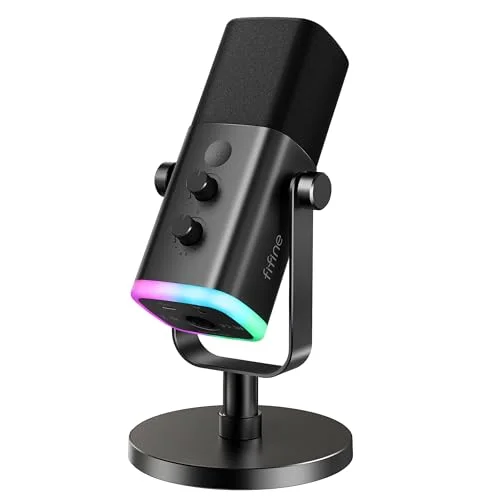
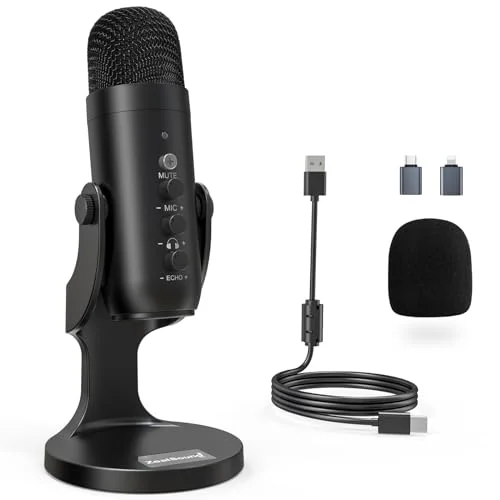
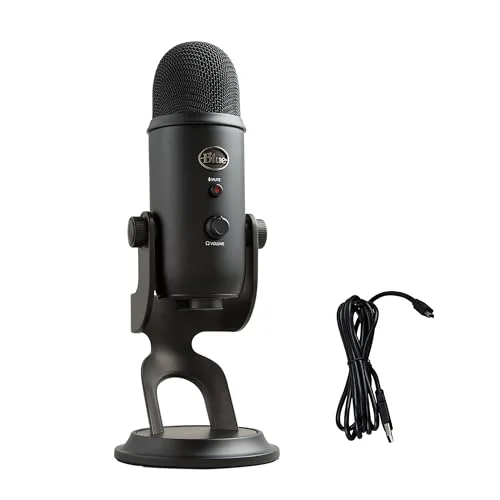
For streamers who sweat, consider using in-ear monitors during gameplay for comfort and switching to a desktop microphone when streaming or recording. This setup captures higher-quality audio without the discomfort of wearing a headset continuously.
Common Mistakes and Warning Signs
Many buyers choose the most hyped models without testing for fit, leading to discomfort or increased sweating when the product arrives. Opting for foam-tip earphones solely for their bass claims can backfire for those with sweaty ears since foam retains moisture and can develop odors more quickly.
Be aware of early warning signs that indicate a poor fit: persistent itching under the tip, redness along the ear, or lingering odors despite cleaning. These symptoms suggest the fit or material is unsuitable for your anatomy. If irritation persists, cease use and consider trying different tip materials or consult a dermatologist.
Managing Sweat with Over-ear Headphones
If you prefer to keep using over-ear headphones, there are ways to mitigate sweat issues. Consider replacing original pads with breathable alternatives made from perforated leather or open-weave velour. Take regular breaks every 60-90 minutes to allow your ears to air out. A thin moisture-wicking headband liner can absorb sweat and reduce direct contact with the pads; choose a washable fabric designed for headsets.
Cleaning frequency becomes more critical for over-ear pads due to their larger surface area. Replace pads proactively if they become discolored, hard, or no longer dry completely between sessions. This proactive approach will help maintain hygiene and extend the lifespan of your investment.
Wireless Earbuds and Latency in Gaming
Competitive gamers should pay attention to latency metrics and any advertised “low-latency” or “gaming” modes that manufacturers promote. Wireless earbuds can introduce audio delay compared to wired connections; a wired earphone or a wireless model with a dedicated low-latency codec can help reduce perceived lag.
Many modern earbuds offer a wired option or support low-latency Bluetooth codecs that make them suitable for casual competitive play. Check the codec and advertised latency in the manufacturer’s materials before purchasing if input lag is a concern. Wired adapters remain the simplest solution when low latency is essential and sweat resistance is a must.
Sizing, Comfort Testing, and In-Store Trials
When trying devices in-store or testing them at home, bring a checklist. Fit for two hours is more important than comfort during a brief demo. Move around, shake your head, and breathe deeply while wearing the earbuds to see if the fit changes with movement or perspiration.
Test multiple tip sizes and switch between silicone and foam where possible. Pay attention to whether tips slip out while speaking loudly or clenching your jaw; these are signs of poor sealing or incompatibility with your ear anatomy. Keep the return policies and trial windows in mind in case the product leads to sweat-related irritation after extended use.
FAQ
Are in-ear earphones hygienic for daily gaming?
They can be hygienic if you maintain a cleaning routine and use washable or replaceable tips. Regularly replace tips and avoid sharing earphones; persistent odor or irritation signals the need for deeper cleaning or tip replacement.
Will switching to earphones reduce voice-chat quality?
Voice quality may vary based on the microphone type. A detachable boom mic or separate desktop mic can preserve voice clarity while allowing you to enjoy the comfort of earphones.
Do IPX ratings mean ear tips won’t absorb sweat?
IPX ratings protect internal electronics from moisture; they do not prevent ear-tip materials from absorbing sweat. Opt for silicone tips and quick-dry fabrics to minimize moisture retention.
Can earphones cause more earwax buildup?
Deep-inserting tips can lead to wax compaction in some users. Clean tips regularly and avoid inserting any hard objects deeply into the ear canal.
Is a headband liner effective with over-ear headsets?
A moisture-wicking headband liner can absorb sweat and limit pad contact. While this approach can delay saturation, it doesn’t eliminate the microclimate; combine it with breaks and breathable pad materials for optimal results.
Conclusion and Next
Most gamers dealing with sweaty ears will find that gaming earphones or sports earbuds significantly enhance comfort and ventilation compared to over-ear headsets. Focus on tip material, fit, and IPX or sports-oriented features, and establish a quick cleaning routine after each use. Consider a two-week trial with replaceable tips and verify return policies before making a final decision. If you need a shopping checklist, refer to the Quick Checklist above and start by trying silicone tips in various sizes.
For those opting to maintain their over-ear setups, a follow-up guide on cleaning and maintaining gaming headphones will help mitigate sweat-related challenges.

Leave a Reply