

Short answer: The Sony WH-1000XM4 can be used for gaming, but it is a compromise. Bluetooth latency, limited console mic support, and codec behavior make these headphones better suited for single-player or casual multiplayer gaming than competitive, low-latency play.
What the WH-1000XM4 is and how that maps to gaming
The WH-1000XM4 are wireless over-ear headphones built around active noise cancellation (ANC), high-resolution wireless codecs, and consumer audio features like multipoint Bluetooth pairing and a companion app for EQ and sound modes. Designed primarily for music, movies, and commuting, their design priorities emphasize immersive sound and noise rejection rather than the ultra-low latency and team-chat mic performance that many gaming headsets advertise.
Sony packaged the XM4 with features gamers notice: strong ANC, comfortable clamping and padding for long sessions, and Bluetooth codecs that prioritize fidelity. That hardware and firmware mix creates two predictable trade-offs for players – audio latency on wireless links, and a microphone system tuned to speech for phone calls rather than broadcast-quality gaming chat.
Why latency and codecs matter for play
Latency is the core technical issue that determines whether a pair of headphones “works” for a given game. When audio arrives behind on-screen action, shots, footstep cues, or timing-based inputs feel disconnected; that shows up as lip-sync errors in single-player cutscenes and as missed audio cues in competitive matches.
Bluetooth delivers convenience but adds latency because audio must be encoded, transmitted, then decoded. The WH-1000XM4 supports high-quality codecs that increase fidelity; those same codecs can add a few extra processing steps compared with lower-latency profiles. Wired connections bypass most of that processing, eliminating the Bluetooth link and its variable delay. Multipoint pairing, while convenient, can introduce additional buffering or codec switching that marginally increases latency during active use.
Codec choice on the source device also changes behavior. For example, a phone or laptop may choose SBC, AAC, or a higher-quality codec like LDAC depending on settings and distance. Higher-quality codecs tend to prioritize throughput and fidelity rather than latency. That trade-off is why many gamers who try the XM4 over Bluetooth notice a lag that they do not see with a wired gaming headset or a wireless headset that uses a dedicated low-latency USB dongle.
How to connect the WH-1000XM4 for best gaming performance
Wired connections are usually the shortest path to low latency. Use a 3.5mm analog cable when the platform accepts it (many controllers support headset passthrough), and use a USB-C connection if the source supports USB audio with the headphones. Those two options remove the Bluetooth link and shrink latency to a point where audio sync is typically unobjectionable for most players.
Bluetooth is fine for single-player games, mobile gaming, or when you prioritize mobility. For multiplayer or competitive play, Bluetooth will frequently introduce audible lag. If you must use Bluetooth, disable multipoint, keep the source close, and prefer AAC or SBC on devices that handle them well. Disabling higher-overhead codecs in the source device or the companion app can sometimes reduce lag, but results vary by platform and firmware.
Console compatibility has wrinkles. Many consoles either block generic Bluetooth headsets or limit their mic functions. A common workaround is a wired connection to the controller or a small USB audio dongle that presents the headset as a standard USB audio device. Those dongles vary by platform and device; check compatibility before you rely on them for voice chat.
Practical connection options:
- Wired 3.5mm cable to controller or PC headphone jack for lowest Bluetooth-free latency.
- USB-C cable to PC or console (verify whether USB audio is supported by that console or requires special drivers).
- Bluetooth for mobile, single-player, or casual sessions – expect lag and possible mic limitations.
- External low-latency USB audio dongle as an adapter when you need wireless convenience with reduced lag.
Microphone chat quality and who should avoid the XM4 for voice
The WH-1000XM4’s microphones are tuned for phone-call clarity and noise suppression in everyday environments. That design serves well for voice calls and casual chat, especially in noisy rooms. Gamers who stream, cast, or expect pristine team-channel voice quality will find a boom mic or a dedicated USB microphone superior.
Common mic limitations for competitive multiplayer:
- Less direct pickup than boom mics, so voices can sound distant or processing-heavy.
- Automatic noise suppression and wind filters can make speech sound gated or unnatural when the app applies aggressive processing.
- Console voice chat can depend on whether the console recognizes the headset’s mic over Bluetooth or only via wired/USB connections.
Ways to improve in-game voice on the XM4:
- Use a wired connection to ensure the mic is presented as a standard analog or USB input to the console/PC.
- Lower background noise by enabling ANC, then position yourself to speak directly toward the headset’s mic area.
- Use software-based voice processing (Discord, NVIDIA Broadcast, or console party settings) to clean and normalize audio instead of relying on headphone-side processing.
Settings and app tweaks that help gamers
Sony’s Headphones Connect app gives access to EQ, noise control, and some feature switches that affect latency and behavior. Gamers benefit from a few conservative changes rather than maximal audio quality modes.
Recommended adjustments:
- Turn off spatial audio or “360 Reality Audio” modes during fast-paced multiplayer; those processing layers can add micro-latency and move important stereo cues.
- Prefer simpler codecs if your device allows choosing between them; a lower-latency codec often improves perceived sync.
- Use a flatter EQ for competitive play if you depend on footsteps and directional cues – boosted bass or reverb can mask mid/high directional information.
- Disable multipoint pairing before a critical match so the headphones don’t switch sources mid-game.
- Enable “ambient sound” for competitive shooters if you rely on real-world situational awareness when not wearing the headset; otherwise keep ANC enabled to reduce distractions during single-player sessions.
Those setting changes require testing with the specific platform because codec selection and driver behavior differ between phones, PCs, and consoles.
Battery, ANC, and long-session ergonomics
Long gaming sessions bring together two practical concerns: endurance and comfort. The WH-1000XM4 delivers strong passive comfort through soft ear pads and a stable clamping force that most players find comfortable for multi-hour sessions. Active noise cancellation improves focus by cutting background noise, but ANC runs on battery power and may reduce the available session time between charges compared with passive listening.
Practical tips for marathon gaming:
- Keep a short charging cable handy so you can run wired while plugged in if battery gets low.
- Use ANC selectively; turning it off in a quiet home environment can extend usable time between charges.
- For someone alternating between gaming and commuting, the XM4 performs well as a hybrid device – just plan to switch to wired mode if you need guaranteed low latency.
Avoid relying on ANC to fix in-room noise during critical gameplay; the headphones reduce ambient sound but will not replace situational awareness tools in real-time team-based play where you need to hear teammates and nearby sounds.
Comparing the WH-1000XM4 to gaming-focused headsets and categories
Ranked by the practical gaming trade-off – latency vs. fidelity – the WH-1000XM4 sits in the “high-fidelity, ANC-first” category rather than the “competitive gaming” category. The following table contrasts the WH-1000XM4 with three common headset types a gamer might buy, showing the relevant trade-offs.
| Name | Price / Key Spec | Best For |
|---|---|---|
| Sony WH-1000XM4 | Key spec: ANC, Bluetooth codecs, multipoint, comfortable fit | Single-player gaming, streaming music between sessions, travel |
| Dedicated wired gaming headset | Key spec: wired 3.5mm or USB, boom mic, tuned for voice | Competitive multiplayer, clear team chat, low-latency action |
| Wireless gaming headset with USB dongle | Key spec: proprietary RF dongle, low-latency wireless, gaming mic | Wireless multiplayer with low latency and integrated chat |
That table intentionally lists categories and traits rather than dollar amounts because retail prices fluctuate across sellers and promotions. Use your priorities – fidelity and ANC versus the lowest possible latency and the best chat mic – to choose which column matters most for your setup.
Platform-specific advice
PC
- Windows offers flexible audio routing. Using a wired connection to your PC eliminates Bluetooth latency and usually presents a single device for both playback and microphone. For USB connections, check sound settings so the WH-1000XM4 is set as both default playback and recording device.
- Bluetooth on PC depends on your adapter and drivers; a modern Bluetooth 5.x adapter with good driver support reduces dropouts but cannot remove encoding/decoding latency.
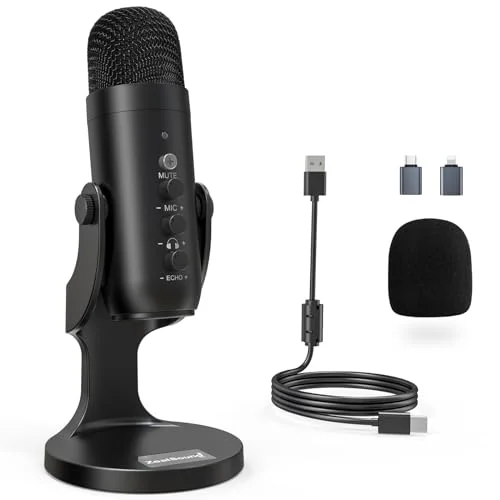
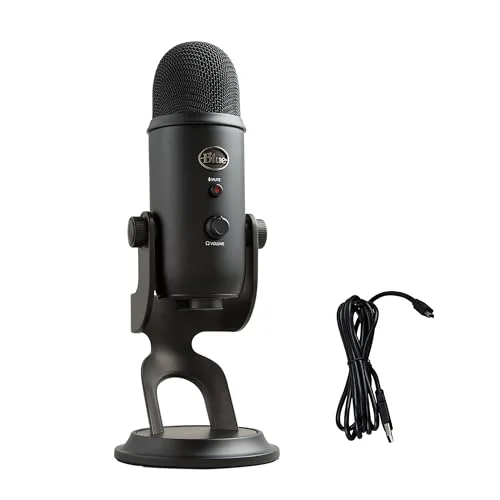
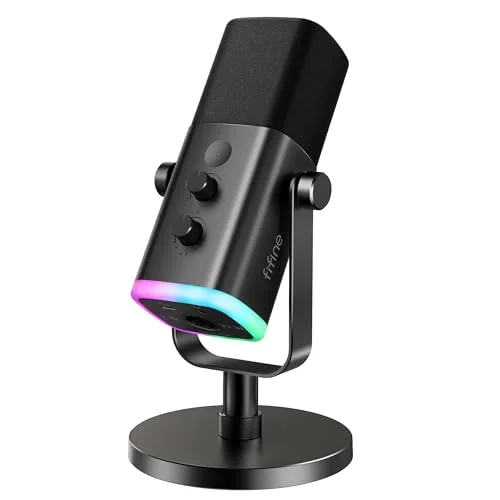
- For streaming, consider combining the WH-1000XM4 for game audio with a separate USB mic for your voice to get the best of both worlds.
PS5
- PlayStation has limited or selective Bluetooth support and often restricts third-party Bluetooth headsets. The safest way to use the WH-1000XM4 is wired to the DualSense controller (or a USB adapter that the PS5 recognizes as an audio device). Some USB-C connections will not pass game audio on consoles even if they work for charging – confirm compatibility with vendor documentation.
- For party chat, wired connection usually offers the most reliable mic functionality.
Xbox Series X|S
- Xbox consoles typically route headset audio through controllers. A 3.5mm wired connection to the controller is a reliable route. Native Bluetooth audio to the console is usually not supported in the same way as mobile devices, so plan for wired use or a compatible dongle.
Nintendo Switch
- Docked mode supports Bluetooth audio on recent system updates; verify whether the WH-1000XM4 pairs cleanly. Handheld mode can pair to a phone for remote play using Bluetooth, but latency on the Switch similarly favors wired connections for precision play.
Common mistakes and how to avoid them
Gamers try the XM4 and then run into predictable issues. Here are frequent mistakes and direct fixes.
Mistake: Expecting zero lag on Bluetooth during online matches.
- Fix: Use wired mode or a dedicated low-latency dongle for real-time multiplayer.
Mistake: Assuming the mic will work over Bluetooth on consoles.
- Fix: Use a wired connection to the controller or a recognized USB audio adapter for reliable voice chat.
Mistake: Leaving multipoint active during a session.
- Fix: Disable multipoint pairing while playing to prevent source switching and added buffering.
Mistake: Leaving spatial or high-quality codec modes enabled for competitive play.
- Fix: Choose the simplest codec available and switch off spatial processing to minimize added processing steps.
Mistake: Using the app’s heavy ambient sound processing for team chat.
- Fix: Use app EQ only for tonal adjustments and rely on game or platform voice settings for noise suppression.
Those fixes solve most real-world pain points quickly, and they let you keep the XM4 for situations where its strengths matter – travel, movies, music – while still getting usable gaming performance when needed.
Practical setups and quick checklists
Below are concise, actionable checklists for three common gaming setups: PC, PS5, and mobile.
PC setup checklist:
- Plug the 3.5mm cable into your PC headset jack, or connect via USB-C if the PC supports USB audio for the headset.
- Open Windows Sound Settings and set the WH-1000XM4 as default playback and recording device if using a wired connection.
- In-game, set the audio output and input to the same device and test mic levels in voice chat.
- If using Bluetooth, pair via Windows Bluetooth settings and disable multipoint in the Sony app to avoid switching.
- Use a dedicated USB microphone if you need broadcast-quality voice while keeping the XM4 for monitoring.
PS5 setup checklist:
- Connect the headphone using a wired 3.5mm cable to the DualSense controller for both game and chat audio.
- In PS5 Settings > Sound, confirm Output Device and Microphone settings reflect the controller headset.
- Disable spatial audio modes on the console if you notice added latency or processing artifacts.
- Test party chat with a friend before a competitive session to confirm mic routing.
- If you prefer wireless, test a small USB audio dongle known to work with PS5 instead of Bluetooth.
Mobile/handheld checklist:
- Pair via Bluetooth for quick, portable use.
- Disable multipoint if you want stable audio from a single device.
- Turn off high-overhead spatial audio settings when playing timing-critical games.
- Keep the source within a short range to avoid dropouts and automatic codec switching.
- Switch to wired mode when plugging in to a controller or dock for lower latency.
At least one of those steps will restore sync or mic functionality in the majority of situations where players report trouble.
How to decide: buy the XM4 or a purpose-built gaming headset?
Answer this decision sentence briefly, then provide an evaluative checklist: If you value music fidelity, ANC, and all-around comfort, buy the XM4. If you need the lowest possible latency, the best team-chat mic, and console plug-and-play, buy a gaming headset.
Decision checklist – rank your priorities and pick:
- Priority A: Music and ANC outside gaming – XM4.
- Priority B: Competitive multiplayer and team chat – dedicated wired or wireless gaming headset with a boom mic.
- Priority C: Hybrid use (work, travel, and occasional gaming) – XM4 plus a separate boom mic or USB mic.
- Priority D: Pure console convenience – a headset tested for PS/Xbox compatibility and mic passthrough.
Combine the XM4 with a dedicated mic if you want both fidelity and broadcast-quality voice. That pairing often costs less and gives more functional flexibility than buying two full headsets.
FAQ
Will Bluetooth on the WH-1000XM4 cause audio lag on PS5?
Bluetooth commonly adds enough latency to be noticeable in action games; PS5 also restricts or limits Bluetooth headset mic support, so wired or a compatible USB dongle gives more reliable game and chat audio.
Can I use the WH-1000XM4 microphone for Discord or streaming?
Yes, for casual Discord chat the built-in mic is fine. For streaming or professional voice quality, pair the headphones with a dedicated USB microphone and use the WH-1000XM4 for monitoring.
Does using ANC affect game audio or latency?
ANC improves focus by cutting ambient noise but does not directly add significant audio latency. The audio path (Bluetooth vs. wired) is the main latency factor, not ANC itself. ANC does use battery and can slightly change perceived audio timbre.
Is wired connection better than Bluetooth for competitive gaming?
Wired connections bypass Bluetooth encoding/decoding and generally provide lower and more consistent latency, making them the better choice for competitive play.
Verdict and next
The Sony WH-1000XM4 are excellent headphones for music, movies, and comfortable long sessions, and they are acceptable for casual gaming. Serious or competitive gamers should prioritize a wired headset or a wireless gaming headset that uses a low-latency USB dongle and a boom mic. Test your setup before committing: try wired mode first, then Bluetooth if you need mobility – that quick A/B will show whether the WH-1000XM4 meets your personal latency and mic standards.

Leave a Reply