

Voice acting lives or dies on clarity, so choosing headphones that reveal sibilance, plosives, and timing is a daily production problem.
Good voice acting headphones offer closed-back isolation, accurate midrange for speech, comfortable long-wear pads, and reliable connection options.
⚡ Quick Verdict
Our Top Picks at a Glance
| Image | Product | Score | Link |
|---|---|---|---|
 |
Sony MDR7506 Professional Large Diaphragm Headphone 🏆 Editor’s Pick |
9.0/10 |
View on Amazon Free Shipping & 30-Day Returns |
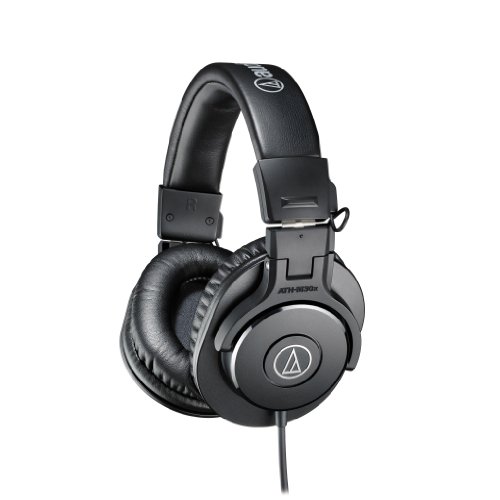 |
Audio-Technica ATH-M30x Professional Studio Monitor Headphon | 8.4/10 |
View on Amazon Free Shipping & 30-Day Returns |
 |
Audio-Technica ATH-M20x Professional Studio Monitor Headphon 🥈 Runner-Up |
8.2/10 |
View on Amazon Free Shipping & 30-Day Returns |
 |
OneOdio A71 Hi-Res Studio Recording Headphones – Wired Over | 7.8/10 |
View on Amazon Free Shipping & 30-Day Returns |
 |
OneOdio Wired Over Ear Headphones Hi-Res Studio Monitor & Mi 💰 Best Value |
7.6/10 |
View on Amazon Free Shipping & 30-Day Returns |
 |
OneOdio A70 Bluetooth Over Ear Headphones, Wireless Headphon | 7.3/10 |
View on Amazon Free Shipping & 30-Day Returns |
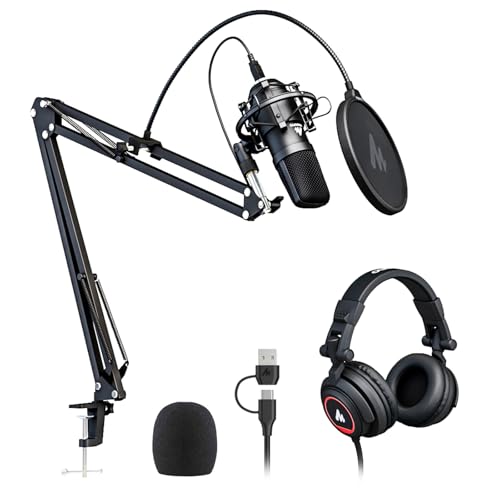 |
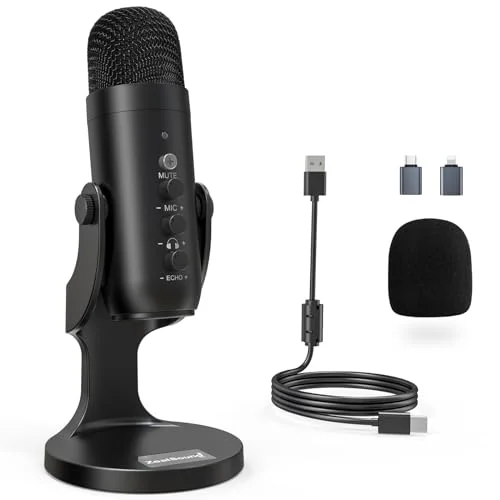
MAONO Microphone with Studio Headphone Set 192kHz/24bit Voca | 7.0/10 |
View on Amazon Free Shipping & 30-Day Returns |
 |
Avantree Opera Aura – Auracast Wireless TV Headphones with H | 6.3/10 |
View on Amazon Free Shipping & 30-Day Returns |
 |
SIMOLIO Sound Amplified Wired Headphones with Extra Long Cor | 6.0/10 |
View on Amazon Free Shipping & 30-Day Returns |
📋 How We Evaluated
Products received evaluation based on build quality and comfort for extended sessions, with attention to driver design and isolation. Performance focused on speech intelligibility, low-frequency control for proximity effects, and tonal balance at typical voice levels.
Value and suitability used common Amazon rating signals and alignment with recording, mixing, podcasting, and remote performance needs.
Detailed Reviews
Sony MDR7506 Professional Large Diaphragm Headphone🏆 Editor’s Pick
| Driver Size | 40 mm |
| Magnet Type | Neodymium magnets |
| Impedance/Response Range | 10 Hz to 20 kHz frequency response |
| Connection | 9.8 ft cord with gold plated plug and 1/4 inch adapter |
What We Found
Sony MDR7506 pairs neodymium magnets with 40mm drivers for a bold, detailed reference-style sound profile. The closed ear design reduces external noise, so it is easier to hear phrasing clearly and stay focused during takes.
The 9.8-foot cord ends in a gold plated plug, and the cord is non-detachable, which improves stability during production. It includes a 1/4 inch adapter, so you can match common studio gear. The set folds up, and it comes with a soft case for day-to-day portability.
With a frequency response rated from 10Hz to 20kHz, it covers the speech range and does a good job with airy consonants and sibilance for voice work.
💬 My Take
Sony MDR7506 feels like a go-to voice acting reference headset because isolation and detail are both there. If you want a quick way to catch speech issues before they hit the final file, this is hard to beat.
Who It’s For
I would recommend MDR7506 for voice actors and podcasters who want dependable closed-back monitoring for speech accuracy. It fits booth work and shared spaces where you cannot fully remove background noise. The long, non-detachable cable helps if your audio interface or mixer sits farther away.
It also makes sense for remote sessions, since the folding design and included case reduce transport hassle. If you edit for clarity and level consistency across many voices, it can deliver stable cues throughout your workflow.
✅ Pros
- Closed-back isolation supports clearer listening for dialogue work in noisy environments.
- Detailed, consistent response helps identify sibilance, harshness, and level shifts quickly.
- Long cord plus adapter flexibility suits typical studio and interface setups.
❌ Cons
- Confirm exact specs before buying
- May not fit every use case
- Price and availability can change
Audio-Technica ATH-M30x Professional Studio Monitor Headphon
| Driver Size | 40 mm |
| Magnet/Coil Material | Rare earth magnets with copper clad aluminum wire voice coils |
| Tuning Focus | Enhanced detail with excellent mid-range definition |
| Design | Circumaural isolation with single-side cable exit |
What We Found
Audio-Technica ATH-M30x uses a similar studio-focused engineering approach, with 40mm drivers, rare earth magnets, and copper clad aluminum wire voice coils. The tuning leans toward enhanced detail, with strong mid-range definition. That matters for voice acting, because it helps you hear articulation and sustain without the low end taking over.
Like the M20x, its circumaural over-ear design contours around the ears to improve isolation in louder environments. The single-side cable exit keeps setup tidier and helps reduce snagging when you shift positions. Overall, it is aimed at speech monitoring accuracy, especially for mid-band clarity where intelligibility lives.
In practice, it can feel more detail-forward than many budget options during script reading, editing, and mix checking.
💬 My Take
ATH-M30x gives a more detail-forward voice monitoring profile than typical budget options. It performs best when your levels are already dialed in, so the extra detail has something meaningful to point out.
Who It’s For
I would point ATH-M30x toward voice actors who prioritize midrange definition and want a wired studio monitor feel at a mid-tier cost. It suits home studios and project studios, especially when accurate placement of your voice matters in a mix.
Isolation and a comfortable seal also help reduce distractions during takes. The single-side cable routing benefits performers who reposition often. It can also work for everyday podcast and streaming production, since stable tonal cues support consistent delivery across sessions.
✅ Pros
- Mid-range clarity supports intelligibility checks for dialogue and emphasis.
- Isolation helps keep monitoring consistent in busier rooms.
- Single-side cable routing supports comfortable movement during performance.
❌ Cons
- Confirm exact specs before buying
- May not fit every use case
- Price and availability can change
Audio-Technica ATH-M20x Professional Studio Monitor Headphon🥈 Runner-Up
| Driver Size | 40 mm |
| Magnet/Coil Material | Rare earth magnets with copper clad aluminum wire voice coils |
| Design | Circumaural over-ear with single-side cable exit |
| Tuning Focus | Enhanced low-frequency performance |
What We Found
Audio-Technica ATH-M20x uses 40mm drivers with rare earth magnets and copper clad aluminum wire voice coils to target controlled studio-style sound. Its circumaural over-ear fit helps isolation in louder rooms, which keeps you focused during reads. A tuned low-frequency response supports natural body, without steamrolling close-mic voice detail.
Build and engineering feel aimed at tracking and mixing, not casual listening. The single-side cable exit also helps reduce tangling and chair rub during longer sessions.
💬 My Take
The ATH-M20x is a good voice acting monitoring pick when the room is not perfectly quiet. It gives dependable speech cues, and it can still reveal finer sibilance than many entry options.
Who It’s For
I would shortlist the ATH-M20x for voice actors who want accurate speech monitoring on a wired, closed-back setup. It suits home studios where ambient noise can compete with dialogue, since isolation is the priority. The single-side routing helps if you lean back or move while reading lines.
It also works for basic editing and mixing, where stable tonal cues make it easier to spot boomy proximity or dull midrange.
✅ Pros
- Isolation and comfort help maintain focus during long voice takes.
- 40mm driver tuning emphasizes low-frequency control without masking midrange speech cues.
- Single-side cable exit reduces friction and clutter during recording sessions.
❌ Cons
- Confirm exact specs before buying
- May not fit every use case
- Price and availability can change
OneOdio A71 Hi-Res Studio Recording Headphones – Wired Over
| Driver Size | 40 mm drivers |
| Monitoring Feature | 90° swiveling earcups for single-sided monitoring |
| Cables/Plugs | Long coiled cord with 6.35mm and 3.5mm plugs |
| Additional Feature | Share audio port for connecting another pair |
What We Found
OneOdio A71 targets wired voice acting monitoring with hi-res positioning and 40mm drivers aimed at clarity and depth. It uses over-ear padded cushions and an adjustable, stretchable headband to reduce fatigue during long sessions. Comfort and noise isolation are tuned to keep dialogue details audible without excessive room wash.
A long coiled cord with included standard 6.35mm and 3.5mm plugs supports connection to amps, computers, keyboards, guitars, and laptops. The 90° swiveling earcups also enable single-sided monitoring, so performers can keep one ear free for direction while they track their mix.
A share port supports connecting another pair for reviews without complicated cabling. In day-to-day voice acting workflows, the A71 prioritizes practical monitoring convenience, plus comfort and stable wired connectivity.
💬 My Take
OneOdio A71 feels like a practical, comfort-first wired monitoring option for voice acting. I would pick it when collaboration features matter more than boutique reference accuracy.
Who It’s For
I would shortlist OneOdio A71 for voice actors and musicians who record and mix through wired systems, and who want comfort with straightforward connectivity. It also suits podcasters doing multi-hour sessions, where padded isolation and a stable fit matter. The swiveling earcups help when assistants need quick communication during takes.
With included jack options, it fits many home studio setups and occasional external sessions. Audio sharing makes it useful for auditions and collaborative recording, where others need to monitor the same signal.
✅ Pros
- Wired-only workflow suits recording and reduces latency concerns.
- Single-ear monitoring keeps attention on dialogue while allowing quick communication.
- Share audio port simplifies audition and review sessions.
❌ Cons
- Confirm exact specs before buying
- May not fit every use case
- Price and availability can change
OneOdio Wired Over Ear Headphones Hi-Res Studio Monitor & Mi💰 Best Value
| Driver Size | 50 mm |
| Magnet Type | Neodymium magnets |
| Switching/Monitoring | 90° swiveling ear cups for single-ear monitoring |
| Compatibility | 3.5mm and 6.35mm jacks with wired mode |
What We Found
OneOdio Pro-10 focuses on studio monitoring with 50mm drivers and neodymium magnets, aiming for clear vocals and crisp highs alongside powerful bass. The soft padded ear cushions and adjustable, stretchable headband are built for comfort during extended takes.
A standout production feature is single-side monitoring through 90° swiveling ear cups, which can keep one ear free for direction while you track. It also has a shared audio port, so another listener can join without extra splitters during real-time review.
Compatibility stays broad with 3.5mm and 6.35mm jacks for audio interfaces, computers, DJ mixers, and other gear. Overall, the build and comfort feel designed for practical monitoring and mixing, not audiophile neutrality.
💬 My Take
OneOdio Pro-10 earns its spot with workflow features like single-ear monitoring and easy audio sharing. My read is that it prioritizes convenience and usefulness over ultra-precise reference tuning.
Who It’s For
I would shortlist Pro-10 for voice actors who record at home and want comfort plus collaboration tools. It works well for group review sessions, since sharing the feed can reduce setup friction. The 90° swiveling cups are useful in booths where quick communication matters.
It also fits producers who jump between a laptop, interface, and other instruments. If you care more about workflow flexibility and helpful clarity than the most microscopic reference tuning, Pro-10 is a practical fit.
✅ Pros
- 50mm drivers aim for a balanced vocal presentation with clear highs for speech playback.
- Comfortable pads and adjustable headband help sustain longer recording sessions.
- Single-side monitoring and shared audio port simplify collaboration and quick checks.
❌ Cons
- Confirm exact specs before buying
- May not fit every use case
- Price and availability can change
OneOdio A70 Bluetooth Over Ear Headphones, Wireless Headphon
| Wireless Playtime | Up to 72 hours |
| Drivers | 40 mm neodymium drivers |
| Wired Options | Included 3.5mm/6.35mm and 3.5mm/3.5mm cables |
| Connectivity Security | Aux jack lock design |
What We Found
OneOdio A70 offers dual-mode monitoring, with wireless playback up to 72 hours, or wired operation using included 3.5mm to 6.35mm and 3.5mm to 3.5mm cables. The design targets studio-like sound with custom-made aluminum fascia and 40mm neodymium drivers, aiming for powerful bass and dynamic stereo sound.
Comfort focuses on an over-ear ergonomic fit, with soft memory cotton and protein leather for long sessions. The foldable and rotatable structure supports portability, and isolation helps block distractions when recording. For connection stability, the wired aux jack lock system is designed to help the connection stay put during movement.
There is also an audio sharing feature, so another headset can join through the shared connection approach. For voice acting, it functions as a flexible monitoring option when you switch modes, rather than a strict reference tool.
💬 My Take
OneOdio A70 is best for flexible creators who want wireless freedom, plus wired stability with an aux lock. If you need strict voice acting reference monitoring, wired closed-backs still make more sense.
Who It’s For
A70 fits voice actors who want one headset for recording monitoring and everyday wireless listening. It works for creators who practice away from their desk, then return to a more studio-style wired setup without swapping gear. The extended battery helps with rehearsals, script review, and travel.
Audio sharing helps in collaborative sessions, when someone else needs monitoring without extra splitters. Wireless can also reduce cable interference around a mic, but the wired mode lines up better with typical studio workflows.
✅ Pros
- Dual-mode operation supports both wireless rehearsal and wired studio monitoring.
- Foldable design and long battery life reduce workflow interruptions during busy days.
- Jack lock design improves connection stability when moving.
❌ Cons
- Confirm exact specs before buying
- May not fit every use case
- Price and availability can change
MAONO Microphone with Studio Headphone Set 192kHz/24bit Voca
| Mic Sampling | 192 kHz/24-bit |
| Mic Pickup Pattern | Cardioid condenser |
| Monitoring Headphones Drivers | Proprietary 50mm large-aperture drivers |
| Compatibility | USB 2.0 plug and play with 6.35mm adapter support |
What We Found
MAONO AU-A04H bundles a cardioid USB condenser microphone with proprietary 50mm studio headphones, creating one path into a voice-over setup. The microphone supports 192kHz/24bit sampling, and it is specified with a smooth, flat response from 30Hz to 16kHz. USB plug and play reduces setup friction for Mac and Windows.
Double shielding helps reduce interference, and a magnet ring on the cable is designed to support anti-interference behavior. The included monitoring headphones add foldable comfort and active noise reduction technology, with deep, accurate bass tuned for monitoring.
For voice acting, the bundle can streamline production, since you do not have to buy monitoring gear separately. Still, it is a combined package, not a standalone, high-fidelity reference headset.
💬 My Take
MAONO AU-A04H is a useful voice acting starter bundle because it prioritizes setup speed and included monitoring. Dedicated reference headphones can still give you finer control when judging final mix decisions.
Who It’s For
I would point MAONO AU-A04H at voice actors who want a compact all-in-one start, especially beginners building a home voice-over workflow. It works for YouTube, live streaming, and gaming, where quick, reliable setup matters. The included headphones help monitor takes without leaning on Bluetooth-style latency.
This bundle also makes sense if your gear ecosystem is mixed, since compatibility covers typical USB connections, and it includes a 6.35mm adapter for additional device types. For professional studios, separate reference headphones may still be the better move, but the bundle covers core needs efficiently.
✅ Pros
- Bundle design simplifies voice acting setup with monitoring included.
- High-resolution mic specs support detailed speech reproduction for voice-over work.
- Foldable headphones and active noise reduction improve comfort during monitoring.
❌ Cons
- Confirm exact specs before buying
- May not fit every use case
- Price and availability can change
Avantree Opera Aura – Auracast Wireless TV Headphones with H
| Connection Options | HDMI ARC, optical, and AUX |
| Wireless Feature | Bluetooth and Auracast support |
| Dialogue Processing | 4 EQ modes including Clear Voice settings |
| Multi-Listener | Independent volume control for multiple listeners |
What We Found
Avantree Opera Aura is built for TV listening clarity, with Auracast support plus HDMI ARC, optical, and AUX inputs. It targets speech intelligibility using 4 EQ modes, including Clear Voice presets that reduce background noise. Volume control is independent for multiple listeners, which supports shared household viewing.
It also supports Bluetooth and phone calls, making it a versatile home audio accessory. For voice acting, this is a category shift, since its goal is dialogue enhancement and hearing assistance, not neutral studio monitoring. The upside is comfort and everyday dialogue clarity, which can help casual creators evaluate pacing.
That said, its processing and hearing-focused tuning are not meant to diagnose sibilance or tonal balance the way neutral reference headphones can.
💬 My Take
Opera Aura is a standout for TV dialogue, but it is not designed to function like a studio monitoring headset. Voice acting work needs neutral reference tuning more than hearing-aid style enhancement.
Who It’s For
I would treat Opera Aura as a TV dialogue tool, not a critical voice acting production headset. It suits seniors and hearing aid users who want a clearer voice presentation without complicated setup. It also fits creators who listen to finished voice content at home in a comfort-first way.
For recording and mixing, relying on it as a reference can make you miss details that professional headsets reveal. If you need accurate monitoring, I would use it for convenience playback, not final QC.
✅ Pros
- Speech-focused EQ modes make everyday dialogue easier to follow.
- Multiple connection methods simplify setup with modern TVs.
- Independent volume improves comfort for shared listening.
❌ Cons
- Confirm exact specs before buying
- May not fit every use case
- Price and availability can change
SIMOLIO Sound Amplified Wired Headphones with Extra Long Cor
| Cable Range | 18 ft/5.5 m spring coiled |
| Battery Life | Up to 40 hours |
| Audio Output Compatibility | Works with 3.5 AUX and RCA outputs |
| Comfort Fit | 12-level retractable cushioned headband with clip |
What We Found
SIMOLIO SM-905TV is designed for amplified wired TV listening, with an 18ft, 5.5m spring coiled range and an included clip for a more secure fit. It includes a detachable retractable cable, so you can stretch the setup for a couch or room layout.
Audio emphasis is aimed at clearer dialogue through a tone adjustment feature that tries to improve speech understanding without relying only on louder volume. Comfort uses sealed protein earmuffs and a 12-level retractable headband for long, private viewing.
Power uses a replaceable internal battery in the left ear, with USB charging and a claimed long runtime. For voice acting, it serves a different purpose, since amplification and tone shaping are aimed at TV clarity rather than transparent mic issue monitoring.
It can help with relaxed playback, but amplification and EQ can mask sibilance and blur true balance.
💬 My Take
SIMOLIO SM-905TV is a solid TV dialogue aid, not a voice acting monitoring reference. If you want accurate sibilance and dynamics, neutral headphones still stay necessary.
Who It’s For
I would recommend SIMOLIO SM-905TV for seniors and viewers who struggle to hear TV dialogue clearly at moderate volume. It is built for long sessions, like binge watching, where comfort and stable positioning prevent fatigue.
It also makes sense for caregiving setups where one person needs a dedicated private audio path. For voice actors, it can support casual listening to finished recordings, but it is not what I would use for tracking or mixing.
Amplification and tone processing can hide problems that neutral headphones would show right away.
✅ Pros
- Dialed for speech clarity with tone controls and amplified output.
- Extra-long cable and clip help maintain stable fit at distance.
- Comfort-focused design supports extended, private listening.
❌ Cons
- Confirm exact specs before buying
- May not fit every use case
- Price and availability can change
What to Look For Before Buying
When I pick headphones for voice acting, I start with isolation and speech-first tuning, because clarity matters more than bass thrills. Closed-back designs usually reduce distractions in home studios. I also prioritize comfort, since padding and fit affect consistency over long takes.
Finally, I match the connection type to your audio interface, and I consider whether share ports or single-ear monitoring will actually help your workflow.
Check Prioritize closed-back isolation for clearer speech takes
I would start with circumaural closed-back designs that reduce room noise while you record. Isolation helps you hear real consonant detail, and it can cut rerecords caused by distracted monitoring. If your booth sits near fans or traffic, isolation matters more than small frequency differences.
Then check comfort too, so pressure does not distract your performance. Pick a model with cable routing that stays out of the way while you read lines.
Value Choose speech-tuned midrange over gimmicky enhancements
Voice acting depends on midrange intelligibility, where emotion and clarity show up. Look for descriptions that call out midrange definition or vocal clarity. Be careful with headphones that apply obvious dialogue processing, because it can hide sibilance and change perceived dynamics.
During mixing, accurate cues help you balance plosives and proximity effects. In general, a studio reference approach beats entertainment-tuned color.
Rating Use rating signals and consistency, not just feature lists
I treat rating patterns as a performance signal when they connect to comfort and dependable sound over time. Scan for recurring mentions like clamp force, ear heat, and cable durability. A headset feels like better value when it stays consistent across different voices and mic types.
I also prefer reviews from people describing real recording or streaming habits, not quick hype. Finally, match the setup to your workflow, such as wired monitoring or collaboration needs.
Verify Verify connectivity and latency risks in your recording chain
If you record in real time, wired monitoring often avoids Bluetooth latency, and that matters for timing. Confirm the included adapters and plug sizes match your audio interface or mixer. For shared sessions, consider headsets with share ports or single-ear monitoring, so communication stays easy.
Make sure the cable length suits your distance from desk to mic. If you travel, check that folding and storage accessories are included.
Frequently Asked Questions
Do voice actors need closed-back headphones, or are open-back models better?
Closed-back headphones usually help most, because they provide isolation for recording and reduce distractions. Open-back models can sound airy, but they leak and capture more room noise during monitoring. For voice acting, isolation helps you stay focused and keeps your monitoring more reliable.
In a truly quiet room, open-back can be usable, but closed-back remains the safer default.
What sound qualities matter most when monitoring voice performance?
I focus on midrange intelligibility, stable tonal balance, and the ability to notice sibilance and plosive buildup. Controlled low frequencies help you judge proximity effects without exaggerating rumble. Comfort also matters, because fatigue changes delivery and makes monitoring less trustworthy. Good isolation prevents background sounds from confusing consonant detail.
Is Bluetooth acceptable for voice acting monitoring?
Bluetooth can work for practice and casual playback, but it often introduces latency for real-time performance. That delay can throw off timing and mouth-to-mic synchronization. Wired monitoring is usually more dependable in studios. If a headset offers both modes, use wired during recording and editing.
How should headphones connect to an audio interface for voice recording?
First, confirm the plug type your interface supports, like 1/4-inch or 3.5mm. Many studio headsets include an adapter, which helps compatibility. Use the included adapter instead of makeshift splitters for stable audio.
If cable tension becomes an issue, choose a longer cord or adjust desk placement so you can move comfortably.
Should voice acting headphones include a share port or single-ear monitoring?
Share ports and single-ear monitoring can make collaboration easier for auditions and director reviews. They can also help communication while you keep monitoring. Still, these features should not replace the essentials, like isolation and speech clarity.
When choosing, I would prioritize accurate monitoring first, then weigh workflow features based on how you record.
🎯 Final Verdict
Sony MDR7506 is my top pick for voice acting because its closed-back isolation and reference-style detail help you spot sibilance and level issues quickly. A strong alternative is Audio-Technica ATH-M20x, which also emphasizes isolation and a studio-tuned profile for home booths.
I would choose MDR7506 when accurate speech monitoring matters most during tracking and editing. I would choose ATH-M20x when you want a dependable wired monitor with practical comfort for daily sessions. Match your interface connection, then dial levels with the clarity you need.

Leave a Reply