
Sleeping in headphones sounds simple until the earcups press into your pillow and the battery dies at 3 a. m. Noise cancelling can quiet traffic, snoring, or a hotel hallway. It can also trap heat and hide a smoke alarm. The answer is yes for many people, with limits.
Side sleepers, light sleepers, and anyone who needs to hear an alarm faces different tradeoffs. This piece looks at what overnight wear does to comfort, hearing, and safety. Then it weighs a few over-ear models against a night of sleep, not a commute.
Sleeping With Headphones On Your Head
The real gatekeeper isn’t whether the electronics allow it. It’s whether your ears, neck, and alarm plan survive the night. Noise cancelling lowers steady sound such as fans, traffic, and some snoring. It doesn’t turn a bulky cup into a pillow.
A clear pass or fail comes down to sleep position, how loud the room is, and what you still need to hear.
Over-ear noise cancelling headphones can be worn to sleep, and plenty of people do it on planes and in noisy apartments. The physics is simple. A seal around the ear blocks some sound, and active circuits reduce more of the low rumble.
That helps if a partner snores or a street never goes quiet. The cost shows up after the first hour. Cups create a hard spot between ear and pillow. Clamping force that feels fine at a desk starts to ache when you can’t shift it.
Heat builds because foam traps warmth. Battery and Bluetooth stay on against your head for hours. None of that is dangerous for a healthy adult on a typical night. It’s why some people pull the headphones off at 2 a. m. Back sleeping is the kindest test.
Side sleeping is the usual failure.
Sleep Position Versus Headphone Fit
| Position | What You Feel | Better Move |
|---|---|---|
| Back | Band rests, cups stay free | Best first-night test |
| Side | Cup digs into the pillow | Try fewer hours first |
| Stomach | Band may twist the neck | Keep volume very low |
| Recliner or plane seat | Head supported more upright | Closest to daytime wear |
Volume And Alarms While You Sleep
Quiet rooms tempt people to turn ANC up and audio down. The opposite mistake is a podcast at commute volume for eight hours. Ears need recovery time, and a sealed cup blocks that. You also need a plan for sounds that should wake you.
A smoke alarm, a baby, or a building alarm shouldn’t lose to a playlist.
- Keep playback under a level where you could still hear someone speak in the same room.
- Prefer silence plus ANC, or a soft steady sound, over lyrics and podcasts.
- Use transparency or ambient mode if a smoke alarm must reach you.
- Set a phone alarm outside the cups as a backup, not only inside the headphones.
- Stop if you feel pain, numbness, or a hot spot around either ear.
- Skip overnight wear if you have an active ear infection or a fresh piercing.
Charge fully, then lie on your back for twenty minutes with ANC on and no music to judge pressure.
Add only a quiet track or nothing, and confirm a separate alarm still cuts through or sits beside the bed.
Sleep a short stretch, not a full first night, and note which ear hurts when you wake.
If the cup hurts, stop side sleeping in them or switch to a lighter band before trying again.
Headphones For A Night Of Sleep
The models below are over-ear noise cancelling pairs people already reach for during travel and at desks. That same shape is what you’d wear to bed. None is a dedicated sleep headband. The useful differences come down to weight, cushion, battery, and whether a transparency or white-noise option exists.
I’d read each one against your sleep position, not against a commute score.
|
1
|
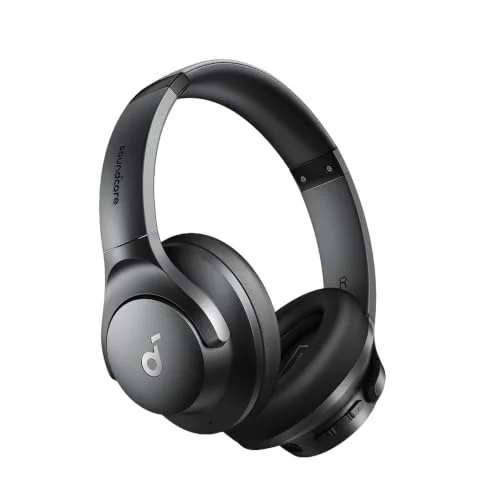
soundcore by Anker Q20i Hybrid Active Noise Cancelling Headphones, Black | Over-Ear, Bluet |

Forty hours of ANC plus in-app white noise can cover a full night without a dead battery.
The soundcore Q20i in black reads like an over-ear hybrid ANC pair built for long sessions, not just a commute. Four mics cut a large share of outside noise, and 40mm drivers keep playback full if you sleep to audio.
Battery hits about 40 hours with ANC on, or 60 hours in normal mode. A five-minute charge adds roughly four hours. The app includes white noise, which is more useful in bed than another bass preset.
Black cups disappear on a dark nightstand and hide scuffs from nightly use. Dual Bluetooth 5. 0 links let a phone alarm and a laptop stay paired, though you should silence work alerts before bed.
Transparency mode is the safer choice if you still need a smoke alarm or a partner’s voice. The honest limit is the over-ear shape. Side sleepers will feel the cup against the pillow, and clamp pressure can wake you before the battery does.
|
2
|
Soundcore by Anker Q20i Hybrid Active Noise Cancelling Headphones, White | Over-Ear, Bluet |

Same 40-hour ANC and white noise as the black Q20i, in a lighter bedroom finish.
This is the white Q20i, with the same hybrid ANC, four mics, and 40mm drivers as the black set. ANC playtime is still about 40 hours, and normal mode stretches toward 60. The soundcore app still offers 22 EQ presets plus white noise for winding down.
Hi-Res playback needs the AUX cable, and ANC doesn’t run in that wired path. For sleep, wireless ANC plus a quiet track is the mode that matters.
White looks cleaner beside pale bedding, but pillow oils and dust show faster than on black. A quick wipe belongs in the morning routine if these stay on the bed. Fast charge still buys about four hours from five minutes, so a forgotten top-up is easy.
Multipoint switching is handy by day and risky at night if a second device starts audio. The fit limit matches the black pair: fine for back sleeping, awkward if you roll onto one ear.
|
3
|
Bluetooth Headphones, Hybrid Active Noise Cancelling Over Ear Headphones | 35H Playtime, H |

Soft foam cups and a wired fallback help when wireless power dies mid-sleep.
These no-name hybrid ANC headphones lean on comfort claims more than a known sleep app. Ultra-soft foam cups and an adjustable band aim to reduce pressure, and the frame folds flat. A 400mAh cell is rated near 35 hours after a one-hour charge. Bluetooth 5.
4 reaches about 10 meters, which is plenty from a nightstand. The 40mm drivers and ANC mic target low and mid noise, such as engines outside a window.
Wired mode when the battery is off is the practical sleep backup. You can keep the audio cable in if you fear a shutdown at 4 a. m. A built-in mic supports calls, so mute notifications before you lie down.
Sports positioning means the clamp may stay firm for hours against a pillow. No listed white-noise mode or weight keeps comfort a guess. Treat the first night as a test, not a new habit.
|
4
|
Sony WH-CH720N Wireless Noise Cancelling Over-Ear Headphones, Black | Comfortable Lightwei |
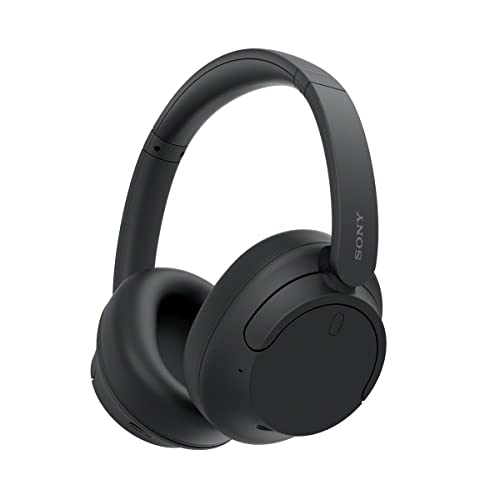
At 192 grams, this Sony pair is the lightest headband here for overnight wear.
The Sony WH-CH720N in black weighs about 192 grams, and Sony calls it their lightest wireless noise cancelling headband. That number matters more in bed than a louder bass claim. Dual Noise Sensor tech and the Integrated Processor V1 handle cancellation, while Ambient Sound can let room cues back in.
Battery reaches about 35 hours, and three minutes of charge can yield an hour of playback. For sleep, low mass reduces the chance the band itself wakes you.
Multipoint connection lets a phone stay linked for an alarm while another device sits idle. Turn off adaptive changes if they shift volume while you drift off. The black finish hides bedroom dust better than lighter colors.
All-day comfort is the selling line, yet over-ear cups still collide with a side-sleep pillow. Thirty-five hours covers several nights, but only if ANC and volume stay moderate. Back or stomach sleep is where this light band earns its place.
|
5
|
Bose QuietComfort Headphones – Wireless Bluetooth Headphones, Active Over Ear Noise Cancel |

Plush Bose cushions and a Quiet mode suit back-sleeping nights more than workouts.
Bose QuietComfort in Twilight Blue pairs active cancellation with passive isolation so a bedroom can go quiet fast. Plush cushions and a padded band are the reason people try Bose for long wear. Quiet mode shuts the room down.
Aware mode brings it back when you need a knock or an alarm tone nearby. Adjustable EQ lets you cut bass so low notes don’t thump the pillow. Playtime is up to 24 hours, shorter than several rivals here.
Twilight Blue is a limited color, so this is a bedroom pick if you like the hue, not a different sleep engine. USB-C charging keeps the cable simple. A full day of battery covers one night, with less margin than a 40-hour set.
Disable voice prompts so a mic feature doesn’t talk while you sleep. Cushions feel soft, but the seal can run warm under a blanket. Back sleepers get the best of that plush fit.
|
6
|
Hybrid Active Noise Cancelling Headphones 120H Playtime 6 ENC Clear Call Mic, Over Ear Hea |

A 120-hour charge removes mid-sleep battery panic on long trips and home nights.
This hybrid ANC pair claims up to 120 hours, the spec that matters if you hate charging before bed. Cancellation is rated near 45 dB for engines, trains, and chatter. One tap opens transparency for a hallway sound or a morning announcement.
Six ENC mics target calls, which you should mute once you lie down. Bluetooth 6. 0 and 40mm drivers keep a movie stable if you doze off. A 3. 5 mm cable covers flights, and memory foam aims at long wear.
On a trip, 120 hours covers nights plus travel days without hunting for an outlet. At home, ANC can stay on while you forget the charger for a week. Folding matters if these live in a bag between hotel nights. Gaming latency does nothing once you’re actually asleep.
Clamp force and weight aren’t listed, so the first night is the real test. Foam helps, but a thick cup can still jab a side-sleeping ear.
|
7
|
Sony WH-CH720N Wireless Noise Cancelling Over-Ear Headphones, Pink | Comfortable Lightweig |

Same 192-gram Sony chassis as the black pair, in a pink finish for the bedroom.
The pink WH-CH720N is the same light Sony headband, listed at about 192 grams. Dual noise sensors and the V1 processor do the cancelling. Adjustable Ambient Sound and Adaptive Sound Control tailor how much of the room you keep.
Battery is about 35 hours, with a three-minute quick charge for roughly one hour. Nothing in the pink version changes cushion depth or ANC strength versus black. You’re choosing a color that’s easier to spot on a nightstand, not a different sleep design.
Pink helps if black gear vanishes in dark bedding and you lose the headphones at night. The light band still favors back or stomach sleep over a hard side lean. Lock a steady ambient level so adaptive sound doesn’t shift while you drift off.
Quick charge helps after a late night, but it’s not a full cycle. Heat and cup pressure remain the real overnight limits. Buy pink for visibility or a gift, not for a new fit.
|
8
|
Beats Studio Pro Premium Wireless Over-Ear Headphones- Up to 40-Hour Battery Life, Active |
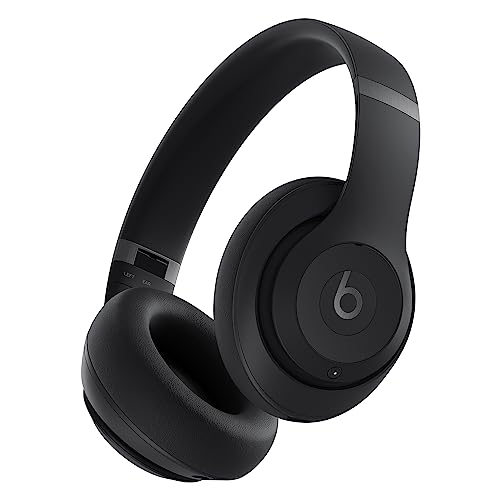
Studio Pro ANC and a 40-hour battery fit overnight audio if you disable head tracking.
Beats Studio Pro is a premium over-ear set with ANC and up to 40 hours of battery. Transparency mode lets the room back in when you still need alarms or voices. USB-C can carry lossless audio, and a 3. 5 mm cable is the wired fallback.
One-touch pairing on Apple and Android keeps a phone alarm as the only source. Spatial audio with head tracking suits movies and fights you when you roll in bed.
Use a plain stereo mode and a quiet track, or silence, once ANC is doing the work. The custom acoustic platform is balanced for calls and music, so drop volume under daytime levels. Black cups look low-key, but premium pads can still trap heat on a warm pillow.
Forty hours covers several sleep cycles if you charge on a rest day. Switch off head tracking before bed, because bulk still bothers side sleepers.
|
9
|
Soundcore by Anker Q20i Hybrid Active Noise Cancelling Headphones, Pink | Over-Ear, Blueto |

Pink Q20i pairs app white noise with 40-hour ANC for an easier wind-down.
The pink soundcore Q20i carries the same hybrid system: four mics, a strong cut in outside noise, and 40mm drivers with BassUp. ANC lasts about 40 hours, normal mode about 60, and five minutes of charge adds about four hours. Bluetooth 5.
0 multipoint can juggle two devices, which you should narrow to one before sleep. App white noise, plus ANC, Normal, and Transparency, maps cleanly onto bedtime. Hi-Res detail needs the AUX cable, where ANC is not available.
Pick pink if the nightstand is light and you want the headphones visible at arm’s reach. White noise through the app can replace a speaker that a partner also hears. Transparency is the right mode when a smoke alarm or a baby monitor must cut through.
Big bass is easy to overdo at midnight, so save BassUp for daytime playlists. Over-ear cups still press into the pillow on your side, and this band is heavier than the 192-gram Sony.
|
10
|
Bose QuietComfort Bluetooth Headphones, Wireless Headphones with Active Over Ear Noise Can |

Cypress Green QuietComfort adds a 15-minute top-up worth about 2.5 extra hours.
Bose QuietComfort in Cypress Green uses the same noise cancelling approach and plush earcup cushions as the Twilight Blue pair. Quiet mode blocks the room. Aware mode restores it for safety. Adjustable EQ covers bass, mids, and treble, so you can soften lows before sleep.
Battery is up to 24 hours. A 15-minute charge adds up to 2. 5 hours, which helps after one late night. The green finish is limited, so stock matters more than any change in clamp or cushion.
Choose Cypress Green when you want the Bose cushion and the quicker top-up in a color unlike black travel gear. Twenty-four hours still covers a full night if you start near a full charge. It won’t cover a weekend of forgotten charging the way a 120-hour pair can.
Keep volume low and skip EQ boosts that rumble the pillow. Warmth under the seal and side-sleep pressure match the blue edition.
Weight and cushion decide comfort faster than brand slogans. The Sony headbands are the lightest listed. Bose leans on plush pads and a shorter charge window. The Q20i sets add app white noise and long ANC time in three colors that don’t change the fit.
The 120-hour pair is for people who travel and forget chargers. The foam budget set is a wired backup, and Studio Pro needs its tracking features turned off.
When Sleeping In Them Starts To Hurt
A good first hour doesn’t guarantee a good sixth hour. Pressure, sweat, and a shifting seal show up later. I’d use the morning after as data, not as a verdict on noise cancelling itself. A few small setup changes can fix some problems.
Others mean this style of headphone is the wrong tool for your sleep position.
Pressure And Hot Spots
A sore ear in the morning usually means the cup, not the volume. The rim presses cartilage for hours, especially if you rolled onto one side. Check for a red ring that fades within an hour. A mark that lasts, or pain that reaches the jaw, means stop nightly use.
Loosen the band one notch if the slider allows it. Wipe sweat off the pad so salt doesn’t irritate skin the next night. Give the cushions a full day to dry. If both ears hurt even on your back, the clamp is too strong for sleep.
A lighter listing won’t fix that. Switch the job to daytime wear instead of forcing another week.
Battery, Alarms, And Missed Wakeups
A dead headphone is only a problem if your alarm lived inside it. Keep a phone or clock alarm in the room, loud enough to beat ANC. Test that alarm once in the evening with the cups on.
Transparency and ambient modes exist for this reason on Sony, Bose, Beats, and the soundcore sets. Use them if you share a bed or need to hear a child. Multipoint pairing can steal audio from a laptop at dawn, so disconnect extra devices. Fast-charge claims help the next evening.
They don’t save a morning you already slept through. If you travel, charge before the flight and again before hotel sleep so shorter batteries don’t start at half.
- Look for redness that is gone within an hour before you wear them again tonight.
- Note which side hurt so you can avoid that sleep position next time.
- Confirm the alarm still sounded, or move it closer if you slept through it.
- Air out the pads and wipe oils so the seal stays clean for the next night.
- If you woke with a headache, lower volume or drop audio entirely next time.
Safe Volume Habits For Nightly Sleep
Noise cancelling can lower the volume you need, which is the real hearing benefit. It can also tempt you to wear a seal for eight hours every night. That’s a different load than a commute. Build a routine that keeps sound soft, ears dry, and a few nights headphone-free.
Treat overnight headphones as a tool for loud nights, not as a default pillow. Steady fan noise or a snoring partner is a fair reason. A silent room isn’t. On nights you use them, prefer ANC with little or no music.
If you need sound, pick a steady wash instead of a story that makes you raise the level to catch words. Take at least a couple of nights off each week so skin and cartilage recover. Clean the pads with a dry cloth so oil doesn’t sit on warm foam.
Replace cushions when they flatten, because a collapsed pad increases clamp pressure. People with tinnitus or hearing loss should check with a clinician before this becomes a habit. Headphones don’t treat those conditions, and a tight seal can make awareness worse.
A weekly reset keeps the habit small. Pick two quiet nights and sleep without cups so you remember normal pillow pressure. On busy weeks, use them only for the noisiest hours beside a snorer. Take them off at a planned wake-up if the pressure starts to build.
Don’t stack ANC under a loud white-noise machine all night. One layer of masking is enough. Store the headphones on a stand so the band doesn’t warp. If a partner shares the bed, agree on an alarm outside your ears.
Charge when you brush your teeth so a dead battery isn’t a morning surprise. The goal is fewer rough nights, not a gadget you can’t sleep without.
Nightly Habit Versus What It Protects
| Habit | Protects | Skip It When |
|---|---|---|
| ANC with little music | Keeps playback volume down | You must hear alarms clearly |
| Use transparency mode | Lets safety sounds through | The room is painfully loud |
| Two nights off weekly | Gives ears and skin a break | Pain has already started |
| Wipe pads each morning | Cuts sweat and skin irritation | Pads are torn or flat |
| Use an external alarm | Wakes you if battery dies | The alarm is quieter than the room |
Yes, you can probably sleep with noise cancelling headphones, but with real limits. Do it if you sleep mostly on your back, keep volume low, and keep an alarm outside the cups. The next step is a twenty-minute back-sleep test tonight with ANC on and music off.
Notice the pressure before you commit to a full night. If a cup digs in, stop there. A lighter band, or a set you use only on loud nights, beats forcing side sleep. Pain, a missed alarm, or a hot ear means this tool is wrong for you.
Comfortable silence on night one is the only green light that matters.

Leave a Reply