

Yes – you can use regular headphones on PS4 for game audio, and wired 3.5mm headphones work directly when plugged into a DualShock 4 controller; USB headsets that present as a standard USB audio device also work, while most Bluetooth-only headphones need a compatible USB dongle or a wired connection to support both audio and voice chat. This guide explains exactly how each connection method behaves, what to expect for microphone/chat support, and which quick fixes and accessories solve the common limitations.
Can You Use Regular Headphones on PS4?
Wired headphones with a 3.5mm TRRS plug will deliver game audio immediately when inserted into a DualShock 4 controller that exposes the headset jack, and they will also work when connected to a TV or receiver that carries console audio. Some USB headsets plug into the console and handle both game audio and microphone chat without extra software, while generic Bluetooth headphones will usually fail to pair with the PS4’s Bluetooth stack for full game + chat functionality unless they use their own USB dongle.
Third-party USB Bluetooth transmitters and headsets that ship with a dedicated USB dongle can bypass the PS4 Bluetooth limits by presenting the headset as a USB audio device, which is generally recognized by the console. Mic support is the main limiter: regular headphones that lack a microphone will not let you speak in parties unless you add a separate mic, and some wired solutions need adapters to route mic wiring correctly. Expect occasional limitations with Bluetooth audio and special features such as virtual surround that certain headsets only enable via their own firmware. Check your headset packaging and product page for explicit “PS4 compatible” markings to avoid unexpected compatibility gaps.
How Wired Headphones Connect (3.5mm and USB)
A DualShock 4 controller includes a 3.5mm TRRS headset jack that accepts a single plug carrying left/right audio plus microphone when the plug uses CTIA wiring (the common mobile wiring standard). Most mobile and consumer headphones follow CTIA, which matches the PS4 controller; older headsets or specialty pro headphones that use OMTP or separate TRS/TS connectors will need wiring adapters to get the mic to work or to present the right signals. Compatibility hinges on wiring standards: CTIA is the norm for consumer headsets, and mixing standards results in a missing mic or reversed functions.
USB headsets are split between two behaviors: those that behave as a generic USB audio device (these will normally be recognized by the PS4 and work for both audio and mic), and those that rely on PC drivers or firmware and therefore do not appear as usable devices on the console. Choosing USB headsets that explicitly list PS4 compatibility avoids wasted purchases; product pages and packaging generally indicate console support. Adapters that convert OMTP to CTIA or split microphone and headphone signals into separate plugs solve most cross-device problems, and using the TV or AV receiver as an intermediary allows any headphone with a TV jack to receive console audio – though that route can complicate microphone routing and party chat.
Bluetooth Headphones and PS4
The PS4’s Bluetooth implementation deliberately restricts many consumer Bluetooth headphones from pairing for audio and voice chat; Sony favors first-party devices and officially licensed headsets, and generic Bluetooth A2DP devices will usually not connect for the full headset experience. Generic Bluetooth stereo headphones will often fail to pair unless they present the necessary audio and HFP/HSP microphone profiles or include a USB dongle that the headset uses for complete support. Dongles vary – some present the headset as a standard USB audio device while others only create a direct link to a specific headset model, and that distinction determines whether the PS4 recognizes it as a valid chat and audio device.
Latency and chat behavior depend on the transmitter and the headset: aptX Low Latency and proprietary wireless links on dedicated gaming headsets are far better for lip-sync and reduce compression artifacts compared with standard A2DP Bluetooth. Mixers, Bluetooth adapters with optical or USB in, and USB sound cards are valid workarounds for users who want wireless audio plus chat on PS4 hardware, and these tend to be the neatest way to bring AirPods, Bluetooth earphones, or non-licensed wireless models into a PS4 setup. Warning: some dongles sold as “universal” only support A2DP stereo and not microphone profiles, so verify the feature list before buying.
Headsets vs Headphones
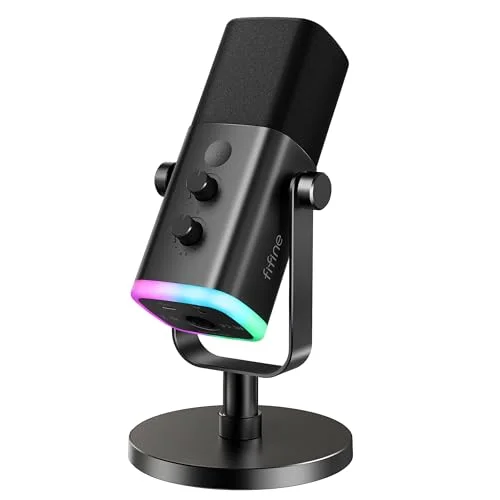
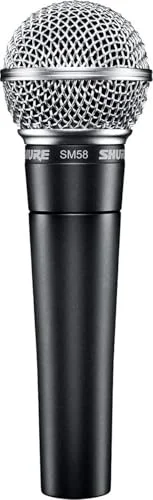
Headsets are purpose-built for consoles: they integrate a microphone and wiring that sends both audio and voice data to the PS4, and they typically include in-line or in-ear controls for volume and mute. Using a non-mic headphone will let you hear game audio but will not let you speak in party chat without adding a microphone; common additions are clip-on lavalier mics that plug into the controller, standalone USB microphones, and camera-based solutions when a supported game uses them. Options include clip-on mics that plug into the controller’s jack, standalone USB microphones that plug into the console, and camera-based voice capture when the PS4 Camera is supported by the title.
Console menu items let you decide whether headset audio carries Chat Audio or All Audio, which affects whether game sound goes to speakers, to the headset, or both. Practical decisions hinge on how much you value voice clarity versus comfort and portability: competitive players often choose separate microphones for cleaner capture and use high-quality headphones for monitoring, while casual players commonly accept headset-integrated mics for a straightforward setup. Sidetone and mic monitoring are useful features that some headsets include to help you control your own speaking volume, reducing the tendency to shout into a microphone during heated moments.
Troubleshooting: No Sound, Chat-Only, Mic Not Working
No sound after plugging a headset into a controller nearly always traces back to settings or a physical connection issue; start by checking Settings > Devices > Audio Devices to confirm the PS4 recognizes the headset and which device is selected for input and output. Headset detection can also fail when the plug is partially inserted, when lint obstructs the jack, when the controller needs a firmware update, or when an adapter uses the wrong wiring standard. Chat-only audio typically appears when ‘Output to Headphones’ is set to Chat Audio, which intentionally routes only party chat to the headset while sending game audio to the TV or speakers.
Microphone problems commonly come down to mute toggles – either the controller mute switch or the party mic mute on the PS4 interface – or to the console selecting a different input device like a USB webcam. Testing the headset on a phone or PC will isolate whether the headset itself is faulty. Swap the headset to another controller or console to determine whether the accessory or the PS4 is at fault, and always keep system software and controller firmware updated since some early controller revisions required updates to behave predictably with headsets. Firmware issues occasionally block headset detection until the controller or console receives an update, so maintaining current software reduces odd failures.
- Check controller jack: unplug and reseat the 3.5mm plug and verify the inline remote isn’t muted.
- Open Settings > Devices > Audio Devices and set ‘Input Device’ and ‘Output Device’ to the headset; pick ‘Output to Headphones’ = All Audio if you want everything in the headset.
- Try a different cable or test the headphones on a smartphone to rule out wiring or driver faults.
- If using Bluetooth, use a PS4-compatible USB dongle or switch the headset to wired mode if available.
- Update system software and controller firmware; some older controllers required updates for consistent headset behavior.
- Use a USB headset or a headset adapter with optical/USB pass-through if your TV setup routes game audio separately.
Open PS4 audio settings to run these checks quickly; that link will take you to the settings area you need when you want to retest or change audio routing.
Best Options Based On What You Want
Choice depends on priorities: sound fidelity, microphone quality, wireless convenience, and price all point to different headset types as the sensible pick. Ranked by simplicity and low cost, wired 3.5mm headphones win for pure audio because they require no adapters and have the lowest latency; USB headsets win for plug-and-play chat when a microphone is necessary; wireless gaming headsets win for convenience but usually cost more and sometimes require a dongle or dedicated USB port. Budget-conscious buyers should prioritize simple wired cans with a reliable 3.5mm cable because those deliver the best value-per-dollar for game audio.
Audiophile headphones shine for single-player experiences where chat isn’t required, and pairing them with an external DAC or amplifier via USB can unlock their potential even on console setups. Virtual surround and advanced DSP features may be limited on PS4 unless the headset handles them internally via its own dongle or firmware, so verify how those features operate on consoles before you buy. Examples of good value include entry-level wired headphones from respected audio brands and budget USB headsets from established gaming companies; both routes reduce the risk of compatibility problems while delivering solid audio and microphone performance.
| Name | Price / Key Spec | Best For |
|---|---|---|
| Wired headphones (3.5mm TRRS) | 3.5mm TRRS plug; CTIA wiring preferred | Low-latency game audio, budget setups |
| USB headsets | Standard USB audio device; plug-and-play | Chat + game audio with integrated mic |
| Bluetooth headphones (via dongle) | Requires USB BT dongle or wired cable | Wireless music-style use; check chat support |
| Wireless gaming headsets (proprietary dongle) | Low-latency proprietary wireless + mic | Full wireless chat and game audio |
| TV / receiver pass-through | HDMI/optical passthrough; headphone jack on TV | Use any headphones via TV; mic routing complex |
Practical Steps: Connect Any Headphone Type
Prepare by identifying whether your headphones include a microphone, whether they have a detachable cable, and whether they ship with a USB dongle; that information determines which path below you follow. Gather the PS4 controller, the console’s USB ports, and any adapters or cables before you start to avoid searching for parts mid-setup. Label any cables and adapters to avoid confusion later, especially if you use the headphones across PC, phone, and console. Confirm headset power and pairing modes for wireless devices before plugging the dongle to speed the process.
Follow the short, targeted steps below to connect wired 3.5mm headsets, USB headsets, and Bluetooth headsets using a dongle.
Wired 3.5mm
- Plug the 3.5mm TRRS connector fully into the DualShock 4 headset jack, making sure it seats past the click.
- Power on the PS4 and press the PS button if needed to wake the console and controller.
- Open Settings > Devices > Audio Devices and set ‘Output to Headphones’ to All Audio for both chat and game sound.
- Adjust microphone level and test in a party or using the microphone test in the Devices menu.
USB headsets
- Plug the headset into any available USB port on the PS4; prefer the rear port for wireless dongles to minimize accidental disconnection.
- If the headset appears as a USB audio device, select it under Settings > Devices > Audio Devices for input and output.
- Refer to the headset manual if it uses proprietary pairing – some models need a short pairing sequence.
- Verify chat and game levels during a quick call or by launching a multiplayer game with voice enabled.
Bluetooth via dongle
- Insert the USB Bluetooth transmitter into the console and put the transmitter into pairing mode per its instructions.
- Activate headset pairing on the headphones and watch for the PS4 to recognize a USB audio endpoint under Devices.
- Set the headset as the active Output and Input Device in the PS4 audio menus and set ‘Output to Headphones’ to All Audio if you want everything routed there.
- Test for latency and clarity in a party chat; swap to wired mode if performance is unacceptable.
Labeling and simple cable management reduce repeated confusion when moving gear between devices, so keep a small kit with common adapters and spares for gaming sessions.
Common Mistakes to Avoid
Plugging a 3.5mm headphone wired for OMTP into a CTIA jack yields no mic and looks like a dead headset despite audio returning; buying a cheap wiring adapter will fix the pinout mismatch. Buying a Bluetooth headset because it’s “wireless” without confirming PS4 compatibility leads to disappointment – many consumer BT headphones lack the needed mic profiles for party chat. Assuming that any USB headset will work is another common error because some models require desktop drivers and are not recognized as generic USB audio devices on consoles.
Expecting in-line mobile volume controls to manage in-game chat levels across all titles is unrealistic; many games use their own audio mixers and will override the controller’s inline settings. Neglecting to test a headset before a scheduled session or tournament creates avoidable stress, so run a quick voice check with friends ahead of time. Double-check whether return policies cover console compatibility before purchase because manufacturers vary widely in their documented PS4 support.
FAQ
Can I use Bluetooth AirPods with PS4?
AirPods rarely pair directly with the PS4 for native audio and chat without a USB Bluetooth transmitter; the PS4 blocks most consumer Bluetooth audio devices from providing the full headset experience. Many users connect AirPods via a USB Bluetooth transmitter sold as compatible or use a wired adapter when the headphones support a cable; microphone support will often remain limited. For consistent chat, prefer a PS4-compatible USB headset or wired headphones plus a separate microphone.
Will my microphone work if I plug headphones into the TV?
That depends on the TV model; only TVs that forward microphone input back to the console or provide a USB pass-through will allow party chat via the TV headphone jack. Most televisions output audio only and do not route mic input to the PS4, which means plugging headphones into the TV will typically deliver game sound but not enable your mic for parties. Use the PS4 controller’s jack or a USB solution if you need reliable microphone support.
Do I need a special adapter to use my studio headphones?
Studio headphones that lack a built-in mic work fine for listening when connected to the controller with the right cable, but you will need a separate microphone for chat. Adapters exist to convert balanced or TRS plugs to the TRRS wiring required by the controller; pick an adapter specified for CTIA/mobile use to preserve mic signals when necessary. Another approach is a small USB audio interface that accepts your studio cans and offers a standalone mic input for better capture.
Are there latency problems with wireless headsets?
Latency depends on the wireless protocol and headset; proprietary low-latency links and USB-dongle systems usually outperform generic Bluetooth for tight lip-sync and minimal delay. Gaming headsets that advertise low-latency modes generally produce less noticeable delay than standard Bluetooth A2DP audio, which can cause audio lag with fast-paced games. Choose a wired connection or a proprietary low-latency wireless headset when lip-sync precision is important.
Can I hear game audio and party chat at the same time on headphones?
Yes, the PS4 can route both game audio and party chat to the same headset when you set ‘Output to Headphones’ to All Audio in the audio settings. Some headsets include in-line or in-head controls to balance chat and game mixes, which is handy for multiplayer. Switch to TV speakers for full-room audio by changing the output to HDMI or optical whenever you want both headset and TV playback simultaneously.
Pick wired 3.5mm headphones for the simplest, lowest-latency audio experience and choose a USB or proprietary wireless headset if you need built-in microphone and easy party chat. Test your chosen setup before joining a live session and update PS4 settings under Settings > Devices > Audio Devices to ensure both output and input target your headset.

Leave a Reply