
Turning your headphones up to drown out background noise feels harmless, until you realize those same sounds are also damaging your ears. Whether you’re stuck in traffic, grinding at the gym, or just trying to focus with kids screaming in the next room, volume creep happens without warning.
The right hearing protection doesn’t just block noise; it lets you enjoy your music at safer levels without that constant volume battle. Here’s how to keep your ears intact while still getting the best of your playlists.
How Headphone Volume Damages Your Hearing
Your ears weren’t built for direct assault. Every time you shove headphones into your ears and pump up the volume, you’re overloading tiny sensory cells that don’t regenerate. Once they’re gone, they’re gone for good.
The damage compounds with time, and most people don’t realize they’re crossing the line until it’s too late.
Hair Cells Don’t Regenerate
Deep inside your ear, thousands of delicate hair cells act like microscopic drumsticks, converting sound waves into signals your brain understands. Unlike skin cells that heal or muscles that rebuild, these hair cells are one-and-done.
Blasting them with loud noise bends them past their breaking point, and repeated hits kill them permanently. Headphones make this worse by sealing sound directly into your ear canal, where volume translates straight to eardrum vibration without the natural dampening you’d get from speakers in the room.
Decibels and Exposure Time
It’s not just about volume, it’s about how long you’re exposed. OSHA flags anything over 85 decibels as risky after eight hours of continuous exposure. Crank it to 100 decibels, and that safe window shrinks to fifteen minutes.
Most people don’t realize their headphones can hit 105 decibels, especially in noisy spaces where they’re fighting to hear over background clamor.
The World Health Organization has been sounding the alarm about this silent epidemic, noting a sharp rise in hearing loss among people who grew up with smartphones and earbuds.
Most people don’t realize they’re listening at dangerously high volumes. The hum of a crowded coffee shop sits around 70 decibels, but add the roar of a subway train or the drone of a lawnmower, and suddenly your playlist doesn’t feel loud enough.
Over-ear headphones create an acoustic cocoon that traps sound, amplifying perceived loudness even when the actual volume hasn’t changed. Noise-canceling headphones help by stripping away the competing noise, letting you hear your music clearly at lower volumes. But volume isn’t the only factor, time is just as critical.
The longer you listen, the more your auditory system accumulates stress. Breaking up your sessions with short pauses gives your ears a chance to reset. Experts suggest stepping away for at least ten minutes after every hour of continuous listening.
Safe Volume Limits and Listening Habits
Hearing protection isn’t about sacrificing your music, it’s about rethinking how you experience it. Small changes in your routine can make a big difference without forcing you to abandon your favorite tracks.
- Keep volume below 60 percent whenever possible
- Follow the 60/20 rule: listen for 60 minutes, rest for 20
- Use noise-canceling headphones to reduce background noise
- Take one full day off from headphones each week
- Choose over-ear models instead of in-ear buds
- Set phone volume limits automatically
Safe Decibel Exposure Chart
| Volume Level (dB) | Safe Exposure Time | Common Sources |
|---|---|---|
| 85 dB | 8 hours | Busy traffic |
| 90 dB | 2 hours | Motorcycle |
| 100 dB | 15 minutes | Concert venue |
| 110 dB | Less than 1 minute | Headphones at max volume |
Picks To Protect Your Hearing While Listening
These picks aren’t generic recommendations; they address specific pain points where headphone users accidentally compromise their hearing. Some sit over your existing headphones to block interference, while others replace them entirely with safer alternatives. Each one targets a different way people end up blasting their music past safe levels.
|
1
|
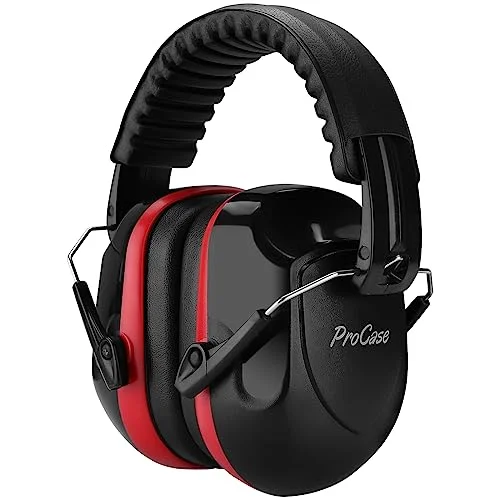
ProCase Hearing Protection Ear Muffs SNR 33dB, Noise Cancelling Headphones | Adjustable NR |

These earmuffs don’t play music, they block the noise that makes you turn it up in the first place. At 33dB of attenuation, they create a quiet bubble around your ears so you’re not fighting to hear over background clamor.
Slip the ProCase earmuffs over your wired or wireless headphones and suddenly your commute or gym session feels quieter. They’re built to fold flat, so they tuck easily into a gym bag or suitcase, and the metal headband adjusts to fit everything from teen skulls to adult heads without pinching.
The thick padding keeps pressure even, so you can wear them for hours without the tightness that usually comes with clamping force.
They work best layered over headphones rather than as standalone gear. Sound quality stays crisp because there’s no built-in audio processing, but comfort is key, get the headband tension just right, or you’ll feel the squeeze after a while.
Students studying in dorms, office workers drowning out chatter, and parents surviving toddler time will appreciate the difference they make in perceived volume.
|
2
|
Floriogra Noise Reduction Ear Muffs, NRR 34dB Ear Protection for Adults | Hearing Protecti |

With 34dB of noise isolation, these muffs let you dial back your headphone volume safely in loud environments. They’re sized for all ages, so kids and adults can share without bulking up the ear cups.
The Floriogra earmuffs use an ABS shell paired with ultra-soft PU leather padding to cut outside noise by 34dB. The adjustable steel wires flex to fit nearly any head shape, and the roomy ear cups keep things ventilated during long sessions.
They fold down neatly for storage in backpacks or gym lockers, making them easy to grab when you need a quick escape from chaos.
Like the ProCase model, these are designed to sit over your existing headphones, not replace them. They won’t improve your audio or connect wirelessly.
Some users notice a slight pressure around the temples after extended wear, but for kids with sensory issues, long flights, or home renovation projects, they’re a game-changer in reducing the need to crank the volume.
|
3
|
3M WorkTunes Connect Wireless Hearing Protector with Bluetooth | Bluetooth Technology Hear |

Why choose between hearing protection and your playlist? The 3M WorkTunes Connect does both, it streams music wirelessly while keeping your ears safe with a 26dB reduction in hazardous noise levels.
These aren’t silent earmuffs. Instead, they swap passive noise blocking for built-in Bluetooth speakers that let you stream tunes while staying under safer volume thresholds. The self-adjusting limiter keeps output in check even during marathon workdays, and the water-resistant coating handles sweat, rain, and workshop grime without missing a beat.
The trade-off is a lower NRR than passive models (26dB vs. 30dB+), but you’re getting convenience in exchange. Battery life stretches across multiple shifts, and the charging port is sealed against moisture.
Best for construction crews, landscapers, and DIYers who refuse to give up their music just to protect their hearing.
|
4
|
Floriogra 2 Pack 34dB Noise Canceling Headphones For Shooting, Hearing Protection Earmuffs |

Two pairs for the price of most single earmuffs means you can stash one at the office, one at home, or toss a pair in your car for impromptu loud environments. At 34dB of noise reduction, they effectively drop music volume dangerously low without adding bulk.
The Floriogra two-pack delivers ANSI-certified 34dB noise reduction using double-layer foam and composite housing. The retractable steel wires adjust to nearly any head size, from kids to adults, and each pair folds compactly enough for a standard backpack. No audio features or Bluetooth here, just pure noise blocking where it counts.
The only real downside is occasional sound leakage through the seal, but most users find the comfort and portability worth it. Perfect for households sharing a noisy workspace, parents juggling remote work with childcare, or anyone who keeps forgetting their hearing protection at home.
|
5
|
PROHEAR 037 Bluetooth 6.0 Hearing Protection Headphones with Rechargeable 1100mAh Battery, |

This model cuts external noise by 30dB while letting you stream your playlists at safe levels through built-in headphones. The massive 1100mAh battery means you won’t be hunting for a charger mid-shift, and the Bluetooth 6.0 connection is smoother than older versions.
The PROHEAR 037 pairs solid noise reduction with long battery life and responsive controls. The 1100mAh battery powers up to 120 hours of playback, so you’re not scrambling for a charge during long workdays.
Raised buttons let you adjust volume or skip tracks without wrestling the muffs off, and a 3. 5mm jack covers you when batteries inevitably die.
The electronics add a bit of bulk compared to passive muffs, and the headband can feel snug at first. Most users break them in by wearing them over the included box for a few hours, which loosens the fit.
Ideal for snowblowers, workshops, or anyone who wants music without sacrificing their hearing in noisy environments.
|
6
|
Pro For Sho 34dB NRR Ear Protection, Noise Reduction Ear Muffs – Grey | Low Profile, Compa |
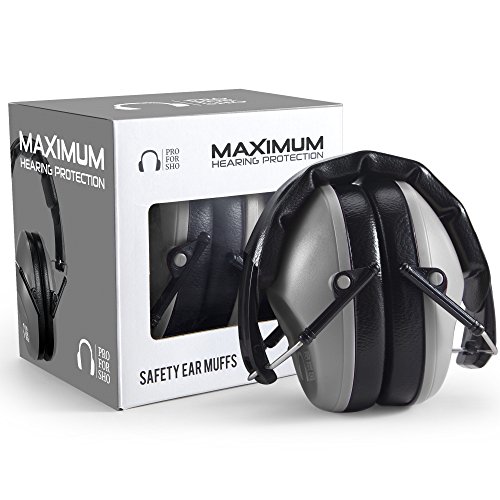
At 34dB NRR, these muffs block music leakage and outside noise effectively enough that your ears stay relaxed even when volumes feel moderate. Their compact, foldable design makes them easy to toss in a pocket or purse.
Pro For Sho’s earmuffs hit 34dB NRR using a sleek frame that folds to pocket size, unlike bulkier models that sacrifice portability for protection. The headband adjusts smoothly and distributes pressure evenly, making them comfortable for all-day wear.
ANSI and CE certifications ensure they meet strict safety standards for everything from shooting ranges to concert halls.
The company recommends a 2-4 hour break-in period by clamping them over the included box if the initial fit feels tight. Users with very large heads might prefer the XL size sold separately.
These are pure noise blockers, no Bluetooth, no wired audio, just serious isolation for drummers, concert-goers, or students cramming in noisy libraries.
|
7
|
Walker’s Razor Slim Electronic Muff, Black | 23 dB NRR, sound-activated compression, low-p |

Electronic compression tames sudden loud noises while boosting quieter sounds, so you can hear footsteps or conversations clearly without blasting your ears with gunfire or concert speakers.
Walker’s Razor Slim uses sound-activated compression to keep dangerous spikes in check while amplifying safe sounds like speech or ambient noise. The ultra-low-profile cups avoid snagging on hats or helmets, and HD speakers reproduce clear audio when connected via the 3. 5mm input jack.
A recessed knob prevents accidental volume changes in the field.
The 23dB NRR is lower than passive muffs, so these won’t cut it in extreme-noise environments. Battery life powers the electronics, but wired audio works even when dead. The rubberized armor handles drops and weather well.
Best for hunters tracking prey, soldiers coordinating teams, or musicians monitoring stage mixes without hearing damage.
|
8
|
Floriogra 3 Pack Noise Reduction Ear Protection, Hearing Protection Ear muffs SNR 34dB Noi |

Three pairs mean backup protection is always within reach, whether you lose one, share with family, or need extras for chaotic environments like shared offices or family game nights.
This Floriogra three-pack delivers 34dB SNR per pair using double-layer foam and composite housing. Retractable steel wires adjust to any head size, and 360-degree rotatable pins customize the fit.
Each pair includes a carrying bag to prevent dust buildup during storage, and they all fold flat for travel or daily commuting.
No audio features or Bluetooth here, just pure noise reduction where it counts. Users love the generous ear cup space, though some report minor sound bleed through the seal. Ideal for families with multiple listeners, college roommates sharing a study space, or parents managing the chaos of a busy household.
|
9
|
Walker’s Razor Patriot Hearing Protection Ear Muffs, Flat Dark Earth | 23 dB NRR, sound-ac |

This model delivers 23dB NRR with electronic compression, so your music stays audible without pushing your ears past safe thresholds. The patriotic design adds a touch of personality without sacrificing function.
Walker’s Razor Patriot mirrors the Slim model’s electronic features in a Flat Dark Earth finish with an American flag design. The 23dB NRR suppresses dangerous spikes while letting safe sounds through clearly. Built-in HD speakers pair via 3.
5mm jack for private music listening, and the external volume control stays adjustable even with gloves on.
Like other electronic muffs, these rely on battery power and need charging every few days. The low-profile cups suit most users, though very large ears might brush the drivers. Perfect for patriotic shooters, off-duty military, or anyone mixing tactical gear with casual tunes.
|
10
|
DECIBEL DEFENSE Ear Protection, 37 dB NRR Ear Muffs (BLACK) | Highest-rated Hearing Protec |
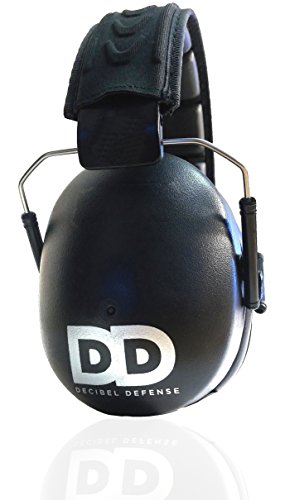
At 37dB NRR, these muffs offer the highest passive noise reduction in this lineup, no batteries, no electronics, just pure isolation for the loudest environments.
Decibel Defense’s Black model reaches 37dB NRR, the highest rating here, using a passive design that can’t fail like electronic alternatives. Available in Regular and XL sizes, the adjustable sliders let ear cups fully cover each ear.
A padded headband and soft foam cushions support all-day wear without the fatigue that comes with lighter options.
Users should break them in by stretching them over the included box overnight if the initial clamping pressure feels too firm. At twelve ounces, they’re lighter than most electronic alternatives despite the higher protection. Best for extreme-noise settings like gun ranges, concerts, or construction sites where maximum isolation is non-negotiable.
Each product here takes a different approach to the same problem: how to enjoy your music without slowly eroding your hearing. Some layer over your current setup to reduce the need for volume, while others replace headphones entirely with safer alternatives.
Whether you need total silence or safe streaming, there’s a solution that fits your lifestyle and environment.
Using Protection Without Losing the Music Experience
Protecting your hearing doesn’t mean muting your music. With the right tweaks, you can keep the fidelity high while keeping the volume low.
- Stream at moderate volumes before slipping on earmuffs
- Test audio clarity once muffs are in place
- Use equalizer apps to boost vocals without raising overall volume
- Choose over-ear headphones with soft padding for layered comfort
- Pause every hour to check if you’re unconsciously turning volume up
Wearing muffs over your headphones changes the sound profile, highs and lows get dampened, so you might notice midrange instruments standing out more. Counteract this by lowering the bass in your playlist app instead of cranking the overall volume.
If you’re streaming wirelessly, models with aptX or LDAC codecs deliver richer detail at lower power demands, so your battery lasts longer. For active jobs, bone-conduction headphones bypass the eardrum entirely, eliminating the risk of trapped volume. Just remember they’re not private, everyone around you hears what you’re playing.
Red Flags That Mean You’re Still at Risk
Even with protection, your ears give warning signs when they’re struggling. Catching these early can save you from permanent damage.
Warning Signs Checklist
| Symptom | Possible Cause | Immediate Fix |
|---|---|---|
| Ringing after listening | Volume too high | Lower by 20 percent |
| Muffled hearing next day | Long session without breaks | Take 24-hour headphone rest |
| Ear pain from muffs | Too-tight headband | Adjust or stretch padding |
| Music sounds distant | Damaged headphone drivers | Replace ear pads or upgrade |
Sit quietly for five minutes without headphones
Play a familiar song at 50 percent volume for thirty seconds
Note any distortion, ringing, or discomfort immediately
If symptoms linger, take a full day off from headphones
Schedule annual hearing tests with an audiologist
Keeping your hearing intact while listening to headphones comes down to two simple rules: cap the volume at 60 percent, and layer noise-blocking earmuffs over your headphones in loud environments. Start with one affordable pair today, your future self will thank you after every marathon listening session.

Leave a Reply