
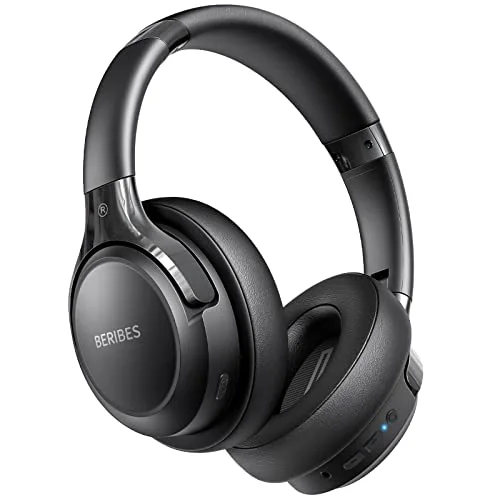
You’re on a quiet train, you turn up a bass-heavy track, and the person next to you starts tapping along. That awkward moment is usually what prompts this question.
Whether over-ear headphones leak sound really comes down to three things: the cup design, how well they seal against your head, and how loud you push them.
Open-back models are supposed to leak; closed-back models mostly keep audio contained; and active noise cancelling changes the dynamic entirely by letting you listen at lower volumes. Here’s what actually causes leakage, how to check for it yourself, and which over-ear picks are least likely to broadcast your playlist.
Why Over Ear Headphones Leak Sound At All
Sound leakage isn’t a defect you can fix with a firmware update. It’s physics: drivers move air, and that air has to go somewhere. Understanding the mechanics helps you predict which headphones will stay private and which will turn your commute into a shared listening experience.
Every headphone driver pushes air to create sound. In open-back designs, the outer shell has vents or grilles, so that air, and your music, escapes freely. That’s why open-backs sound spacious but leak heavily. Closed-back headphones seal the ear cup with solid plastic or metal and a padded ring.
The seal traps most of the sound, but it isn’t absolute. If the ear pads don’t sit flush against your head, or if the cups are too small, sound escapes through the gaps. Volume matters just as much.
At low levels, a good closed-back pair is nearly silent to anyone a few feet away. Crank it to maximum and even sealed cups will bleed some high frequencies.
Active noise cancelling doesn’t stop leakage directly, but it lets you hear detail at lower volumes, which indirectly reduces how much escapes.
Leakage By Headphone Type
| Design | Leakage Level | Best Use Case |
|---|---|---|
| Open-back | High , audio escapes through vents | Quiet home listening |
| Closed-back passive | Low to moderate , depends on seal | Office, commuting, shared spaces |
| Closed-back with ANC | Low , lower volume needed | Flights, trains, open-plan offices |
| On-ear (supra-aural) | Moderate to high , smaller seal area | Casual short sessions |
- Choose closed-back cups with thick, replaceable ear pads for a tighter seal.
- Keep volume below 60 percent when others are nearby to limit high-frequency bleed.
- Adjust the headband so cups press evenly without pinching, sealing gaps around your ears.
- Use ANC mode when possible so you can hear detail at lower output levels.
- Avoid open-back models in libraries, offices, or on public transport entirely.
- Replace flattened ear pads every 12 to 18 months, since worn foam lets sound escape.
When Leakage Actually Matters To You
Leakage is only a problem in specific situations. Knowing whether your daily routine falls into one of them tells you how much you should care about cup design, pad thickness, and volume discipline.
Shared Spaces And Open Offices
In an open office or a quiet library, even modest leakage gets noticed. I’d prioritize a closed-back pair with plush memory foam pads to keep most audio inside. The bigger risk is volume creep: as ambient noise rises, you turn up the music, and leakage rises with it.
Active noise cancelling breaks that cycle by lowering the noise floor, so you listen at safer levels. If you share a desk with someone two feet away, my read is that closed-back cups and ANC matter more than raw sound quality.
Public Transport And Flights
Trains and planes have constant engine rumble, which masks some leakage but also tempts you to raise volume. Over-ear headphones with strong passive sealing handle this well. ANC models go further by cancelling the low-frequency drone, letting you keep output moderate.
On a red-eye flight, your seatmate will hear almost nothing from a well-sealed ANC pair at normal volume. Without ANC, you’ll likely push the dial higher and leak more.
Home And Private Listening
At home, leakage barely matters unless you share walls or a room with a light sleeper. This is where open-back headphones shine, since they trade isolation for a wider soundstage. If you live alone or use a dedicated listening room, leakage is a non-issue.
The moment you move to a shared bedroom or a thin-walled apartment, closed-back becomes the practical choice.
Put the headphones on and play a bass-heavy track at your normal listening volume.
Ask someone to stand two feet away and report what they hear.
Repeat at maximum volume to establish your worst-case leakage level.
Cup your hands around the outside of each ear cup and listen for a change in tone.
If cupping noticeably changes the sound, your pads aren’t sealing well.
Try a different pad size or a tighter headband adjustment and retest.
Over Ear Picks That Keep Sound In
These ten over-ear models all use closed-back cups, which is the first requirement for low leakage. Several add active noise cancelling, which lets you listen at lower volumes and leak even less.
The list leans toward budget-friendly options with long battery life, since most people asking about leakage want a practical daily pair rather than an audiophile flagship.
|
1
|
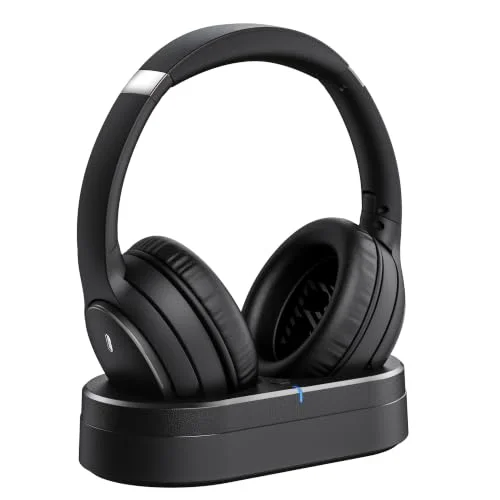
BERIBES Bluetooth Headphones Over Ear Wireless HiFi Stereo Headsets 65H 6EQ | Bluetooth 6. |
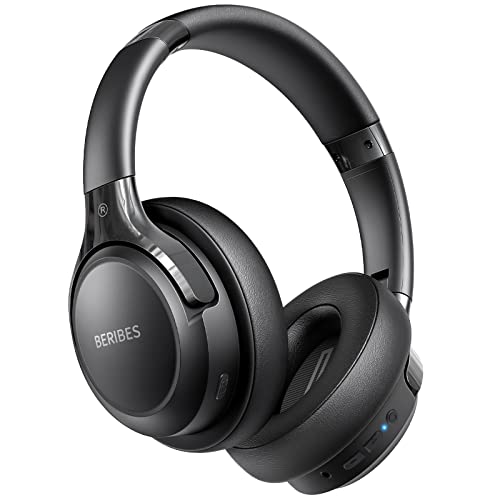
Its 0.38-pound frame and memory protein earmuffs create a snug seal that keeps audio in.
The BERIBES over-ear Bluetooth headphone packs a 500mAh battery rated for 65 hours of playtime, plus a 3. 5mm cable for wired use when the battery dies.
Its dual 40mm drivers and six EQ modes let you shape bass and treble, which matters for leakage because heavy bass boosts tend to escape sealed cups more than midrange.
The memory protein earmuffs and adjustable headband are designed to sit flush against the head, which is exactly what limits sound escaping to nearby listeners.
For shared offices or late-night listening, the closed-back design and lightweight build make it easy to wear for hours without adjusting the fit, and a loose fit is the main cause of leakage. Bluetooth 6.
0 pairs in one to three seconds and holds a stable connection up to 33 feet. The honest limitation: no active noise cancelling, so in loud environments you may raise volume and leak more than an ANC model would.
|
2
|
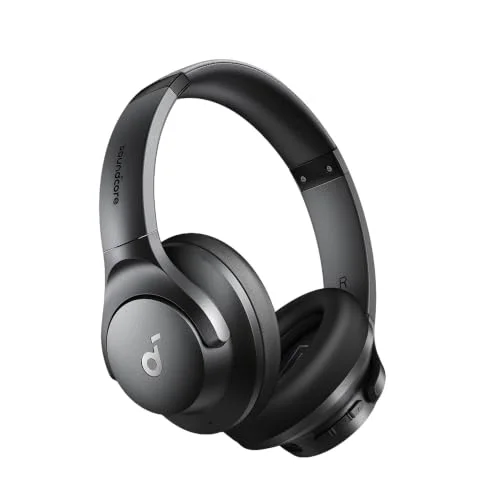
Raycon Everyday Noise Cancelling Headphones, Over Ear Wireless, Black | 38H Battery Life, |

Active noise cancelling lets you hear detail at lower volume, which directly cuts leakage.
The Raycon Everyday Noise Cancelling Headphone combines 40mm drivers with active noise cancelling and a 38-hour battery. ANC is the key feature for leakage: by reducing ambient noise, it lets you keep volume lower, and lower volume means less audio escaping the closed-back cups.
The rotating earcups and adjustable headband help you find a seal, while the IPX4 rating adds water resistance for commutes and workouts. A built-in microphone handles calls without removing the headphones.
The foldable design and lightweight build suit commuters, students, and travelers who move between noisy and quiet spaces. Bluetooth pairing works with iPhone, Android, tablets, and computers, so it’s a versatile everyday pair.
The limitation is battery life: 38 hours is solid but well below the 65 to 100-hour claims of some rivals here. If you charge weekly rather than monthly, that won’t matter.
|
3
|
BERIBES Bluetooth Headphones Over Ear Wireless HiFi Stereo Headsets 65H 6EQ | Bluetooth 6. |
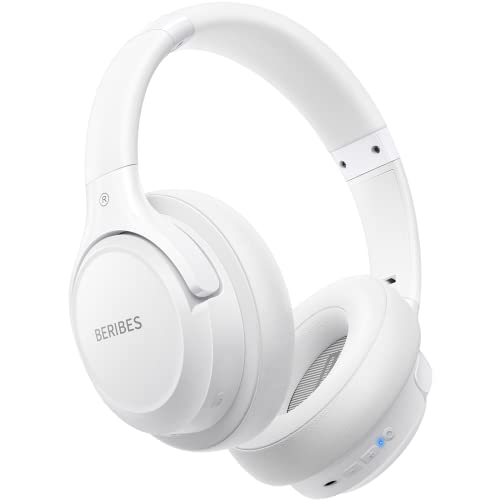
Six EQ modes and a snug protein earmuff seal help contain bass-heavy tracks that usually leak.
This BERIBES model is the same 65-hour, dual 40mm driver platform as the first pick, with six EQ modes covering balanced, bass-boosted, and mid-treble profiles. For leakage, the relevant detail is the memory protein earmuffs and 0. 38-pound weight, which encourage a tight, stable fit.
When pads sit flush, high frequencies stay inside the cup instead of bleeding into the room. The 3. 5mm cable also lets you switch to wired mode when the battery runs out.
Bluetooth 6. 0 supports dual-device connection, so you can jump between a phone call and a laptop without re-pairing. That suits remote workers and students who split time between devices.
The trade-off is the same as its sibling: no ANC, so in genuinely loud settings you’ll push volume higher and leak more. In a quiet room or office, though, it stays contained at normal listening levels.
|
4
|
DOQAUS Bluetooth Headphones Over Ear, 9 EQ Modes & App Control | HiFi Stereo Sound, 70H Pl |

Memory foam earpads and 9 EQ modes let you dial in bass without cranking volume to leak.
The DOQAUS LIFE 5 offers 70 hours of playtime, a 10-minute quick charge for 3 extra hours, and dual 40mm drivers with nine EQ modes controlled through an app. The memory foam earpads are the leakage-relevant feature: thicker foam conforms to the head and closes gaps that let sound escape.
Bluetooth 5. 3 keeps a stable connection up to 66 feet, and the ENC microphone isolates your voice on calls. An AUX cable provides a wired fallback.
The app-based EQ is genuinely useful for leakage control, since you can reduce bass boost when you’re in a shared space and raise it at home. Foldable construction and the included cable suit travelers and remote workers.
The limitation is that app control adds a setup step some users won’t want, and the ANC-free design means loud environments still push you toward higher volume.
|
5
|
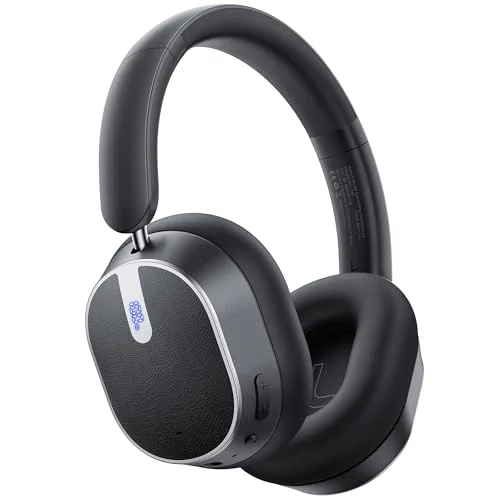
RUNOLIM Active Noise Cancelling Headphones, Wireless Bluetooth Over Ear | 100H Playtime, T |

ANC and a transparency mode let you stay aware without raising volume and leaking audio.
The RUNOLIM Active Noise Cancelling Headphone claims to reduce ambient noise by up to 95 percent and delivers up to 100 hours of playtime in standard mode, or 65 hours with ANC on.
That combination is directly relevant to leakage: strong ANC means you can listen quietly, and quiet listening keeps audio inside the closed-back cups. Protein leather earpads mimic skin texture for a comfortable seal, and Bluetooth 6. 0 connects within 33 feet.
The transparency mode is a practical extra for commuters who need to hear announcements without removing the headphones. The foldable, adjustable design fits a range of head sizes, which helps maintain a consistent seal. One important limitation: ANC only works in Bluetooth mode, not when you use the included 3.
5mm cable. If you rely on wired listening, you lose the noise cancelling that helps keep volume down.
|
6
|
DOQAUS Bluetooth Headphones Over Ear, App Control, 9 EQ, 90H Playtime | HiFi Stereo Sound, |

A 90-hour battery and soft memory foam pads keep the seal tight through long sessions.
The DOQAUS 90-hour model steps up from the LIFE 5 with Bluetooth 5. 4, nine EQ modes via the DOQAUS app, and a 10-minute charge that yields 5 hours of playback.
Soft memory foam earpads mimic skin texture, which matters for leakage because foam that stays plush over time keeps sealing gaps closed. The foldable design and included pouch make it easy to carry, and the ENC microphone handles calls on the go.
Students studying for finals and travelers on long journeys are the clear audience here, since the battery lasts weeks of daily use between charges. App-based EQ lets you tame bass in quiet settings and boost it at home.
The limitation is the same as other non-ANC models in this list: in a noisy café or train, you’ll likely turn up the volume and leak more than an ANC pair would.
|
7
|
YMOO Active Noise Cancelling Headphones for Airplane Travel | LDAC Hi-Res Audio, Wired Wir |

Hybrid ANC with four microphones reduces engine noise so you can listen quietly on flights.
The YMOO Y7Pro targets airplane travel with hybrid ANC using four microphones, LDAC hi-res audio, and 40mm dynamic drivers with a bio-diaphragm.
For leakage, the ANC is the headline: reducing engine and cabin noise by up to 90 percent means you can keep volume low, and low volume keeps audio inside the closed cups. The 850mAh battery delivers up to 100 hours, with a 10-minute charge adding 5 hours.
Bluetooth 6. 0 holds a stable connection beyond 32 feet, and the AI features include real-time translation in 103 languages, which is unusual at this price. The limitation is complexity: LDAC, ANC modes, and AI features mean a busier setup than a simple plug-and-play pair.
If you want the lowest leakage on a long flight and don’t mind learning the controls, it’s a strong fit.
|
8
|
BERIBES Bluetooth Headphones Over Ear Wireless HiFi Stereo Headsets 65H 6EQ | Bluetooth 6. |

The lightweight 0.38-pound build and 65-hour battery suit all-day sealed listening.
This BERIBES model repeats the 65-hour, 6 EQ, dual 40mm driver formula with a 500mAh battery and Bluetooth 6. 0. The leakage-relevant specs are the 0. 38-pound weight and memory protein earmuffs, which are designed to keep a consistent seal without pressure.
Two devices can connect simultaneously, so calls from a phone interrupt movie audio on a tablet without re-pairing. A 3. 5mm cable provides wired backup.
The lightweight build suits home office users who wear headphones for hours, since heavy clamping force often leads people to loosen the fit, which opens leakage gaps. The 33-foot Bluetooth range covers most rooms.
The limitation is the absence of ANC: in a noisy home or shared space, you’ll need to raise volume and accept more leakage than an ANC pair would produce.
|
9
|
RORSOU C6 Active Noise Cancelling Headphones, Wireless Over Ear Bluetooth Headphones, 60H |

ANC cuts low-frequency noise so you can keep volume low and leakage minimal.
The RORSOU C6 uses active noise cancelling to target low and mid-frequency sounds like aviation rumble and car engines, paired with 40mm drivers covering 20Hz to 20kHz. ANC is the leakage answer here: less ambient noise means lower listening volume, which keeps audio inside the protein leather earcups. Bluetooth 5.
4 provides stable transmission, and a 3. 5mm cable offers a wired option. Battery life runs up to 60 hours.
The foldable, lightweight design and auto-adjusting earmuffs suit travelers and remote workers who move between locations. A travel storage bag and 365-day protection add practical value. The limitation is battery life: 60 hours is respectable but below the 90 to 100-hour claims of some rivals.
If you charge weekly, it’s a non-issue; if you want a month between charges, look elsewhere.
|
10
|
BERIBES Bluetooth Headphones Over Ear Wireless HiFi Stereo Headsets 65H 6EQ | Bluetooth 6. |
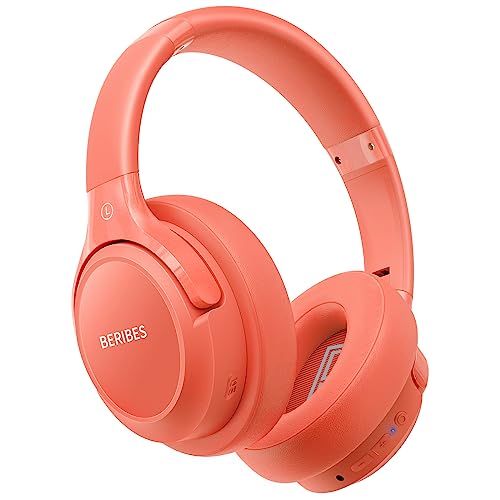
A tight 0.38-pound fit and 65-hour battery keep audio sealed during long sessions.
This third BERIBES listing shares the 65-hour battery, six EQ modes, dual 40mm drivers, and Bluetooth 6. 0 connection of its siblings. The leakage-relevant details are the same: 0. 38-pound weight, adjustable headband, and memory protein earmuffs built to seal against the head.
Dual-device pairing lets you switch between a phone and a computer without interrupting playback, and the included 3. 5mm cable covers wired listening.
For buyers who want a simple, light pair for home, office, or PC use, the formula works without extra complexity. The 33-foot range and one-to-three-second pairing keep setup quick. The honest limitation is no ANC, so in loud environments you’ll raise volume and leak more than an ANC model.
In a quiet room, leakage stays minimal at normal levels.
All ten picks use closed-back cups, which is the baseline for low leakage. The ANC models, like the Raycon, RUNOLIM, YMOO, and RORSOU, go further by letting you listen at lower volumes. The BERIBES and DOQAUS models rely on tight seals and long battery life instead.
None of them will leak noticeably at normal volume in a quiet room.
How To Keep Your Audio From Escaping In Real Life
Buying the right pair is half the answer. The other half is how you wear and use them. These practical habits make the difference between a sealed listening session and a broadcast to everyone around you.
- Set a personal volume ceiling around 60 percent and stick to it in shared spaces.
- Use ANC mode on noisy commutes so you don’t need to raise the volume dial.
- Re-seat the ear cups after putting them on, pressing gently to close any gaps.
- Switch to wired mode only when you don’t need ANC, since some models disable it.
- Take breaks every hour to let your ears recover, which keeps you from turning volume up.
- Test leakage once a month with a friend standing two feet away at your normal volume.
The single biggest cause of unexpected leakage is a broken seal. Ear pads flatten over time, headbands stretch, and glasses arms create gaps behind your ears. If you wear glasses, expect slightly more leakage than someone who doesn’t, because the temple arms lift the pad away from the head.
You can compensate by choosing headphones with thicker pads or a firmer clamping force. Volume discipline matters just as much. A sealed pair at 50 percent volume is nearly silent to bystanders, while the same pair at 90 percent will bleed high frequencies.
ANC headphones make discipline easier because they remove the reason you’d turn up the dial in the first place. Combine a good seal with moderate volume and leakage becomes a non-issue in almost any setting.
Signs Your Headphones Are Leaking More Than They Should
Leakage isn’t always obvious from the wearer’s seat. These warning signs tell you when the problem is the headphones, the fit, or your listening habits, and what to do about each.
Leakage Symptoms And Fixes
| Symptom | Likely Cause | Fix |
|---|---|---|
| Others hear your music at normal volume | Worn or flattened ear pads | Replace pads with fresh foam |
| Leakage worse on one side | Uneven headband or bent arm | Adjust or replace the headband |
| High frequencies bleed, bass doesn’t | Loose seal around the ear | Reposition cups or try thicker pads |
| Leakage only at high volume | Normal behavior, not a defect | Lower volume or use ANC mode |
| Leakage after wearing glasses | Temple arms break the seal | Choose thicker pads or on-ear style |
When It’s The Headphones, Not You
Some leakage is built into the product. Open-back headphones leak by design, no matter how carefully you wear them. Very small ear cups that sit on rather than around the ear also leak more, because the seal area is smaller.
If you’ve tried new pads and careful volume control and people still hear your audio, the headphone design is the limiting factor. At that point, switching to a closed-back model with larger cups is the only real fix.
When It’s Your Fit Or Habits
More often, the culprit is fit. A headband that’s too loose lets cups drift, and a headband that’s too tight causes discomfort that makes you shift them constantly. Both create gaps. Glasses, thick hair, and hats all interfere with the seal.
Volume is the other variable: if you consistently listen above 70 percent, expect leakage even from good closed-back headphones. Fixing fit and volume solves most leakage complaints without buying anything new.
Yes, over-ear headphones can leak sound, but closed-back models with a proper seal stay quiet to everyone around you at normal volume. The leakage you’ve heard about comes mostly from open-back designs, worn pads, and high volume.
Your next step today: put on your current pair at your usual volume and ask someone two feet away what they hear. If they can identify the song, try lowering the volume or reseating the cups before you shop for a replacement.

Leave a Reply